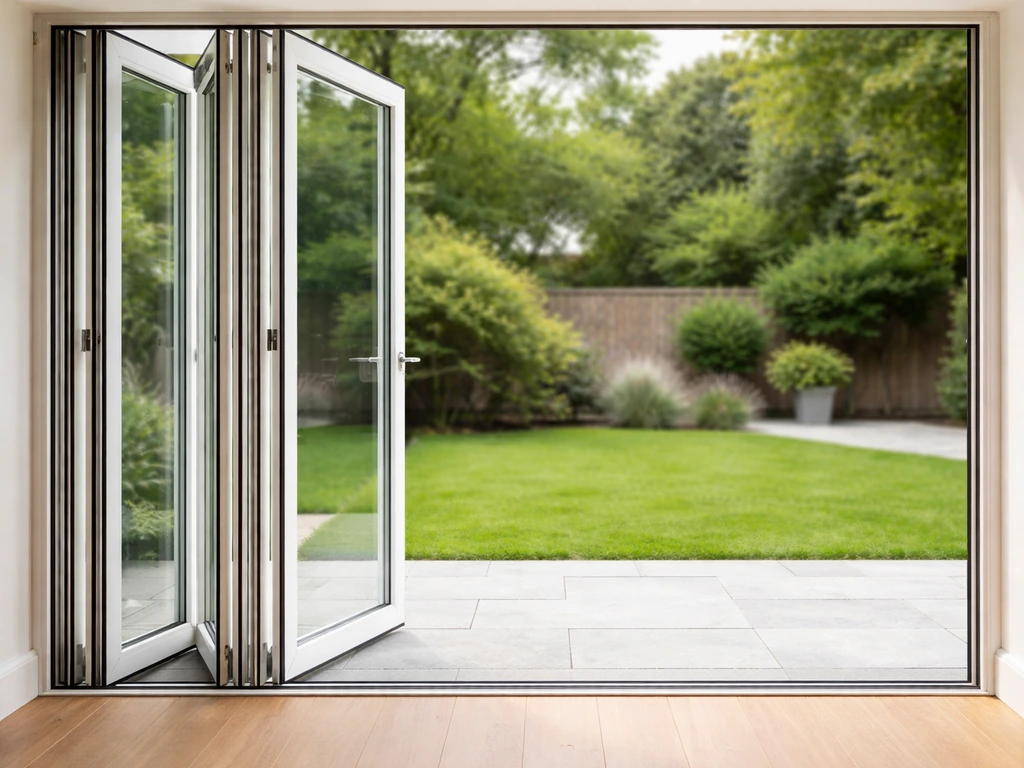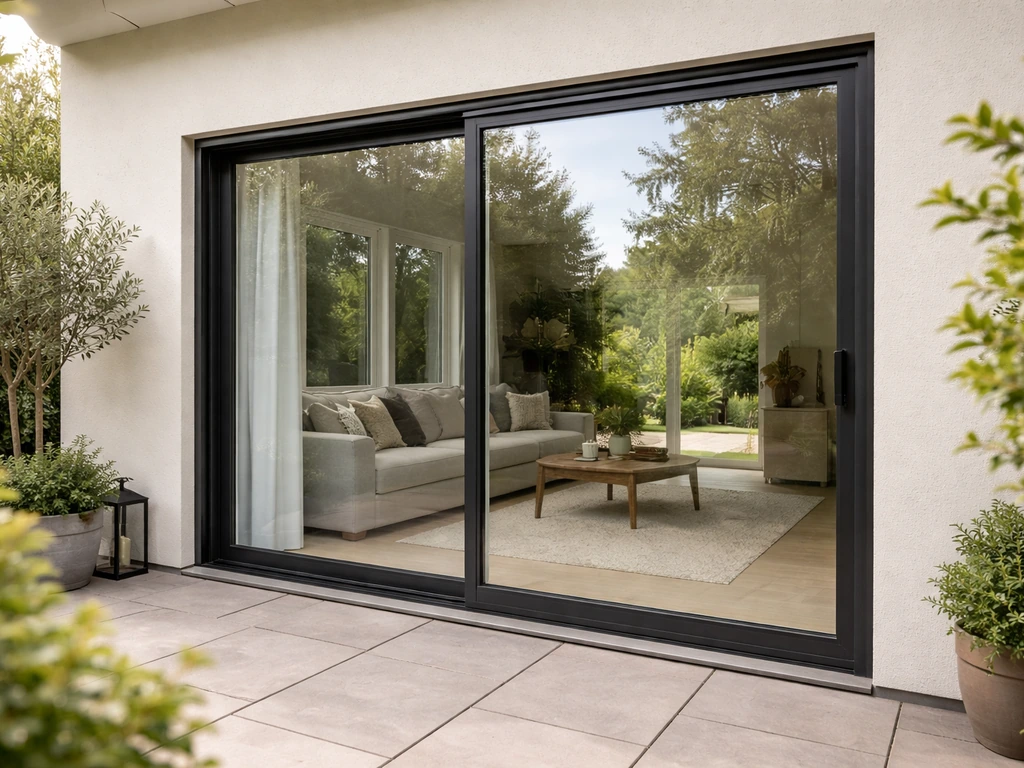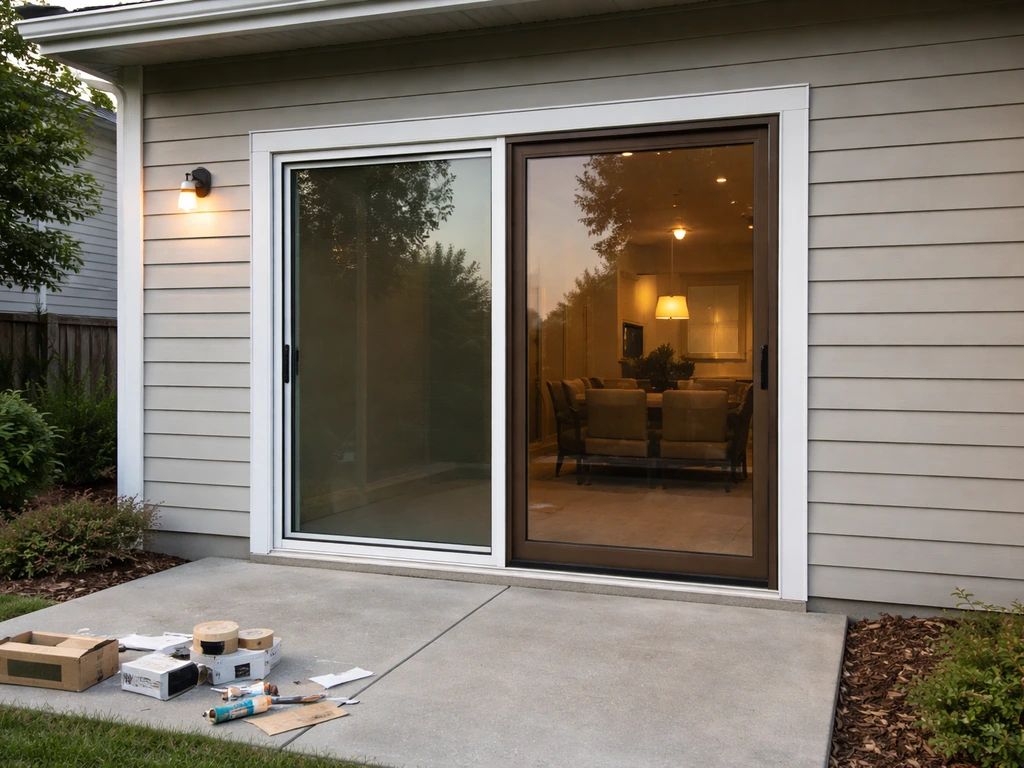
French patio doors run $1,000 to $5,000 for the door unit alone, and $2,000 to $12,000 fully installed depending on size, material, glass package, and how much work the opening needs. Most homeowners replacing an existing patio door with a standard 6-foot double French door end up spending somewhere between $2,500 and $6,000 all-in.
How Much Do French Patio Doors Cost? Installed Prices

Owen Delaney
15 Jun 2026
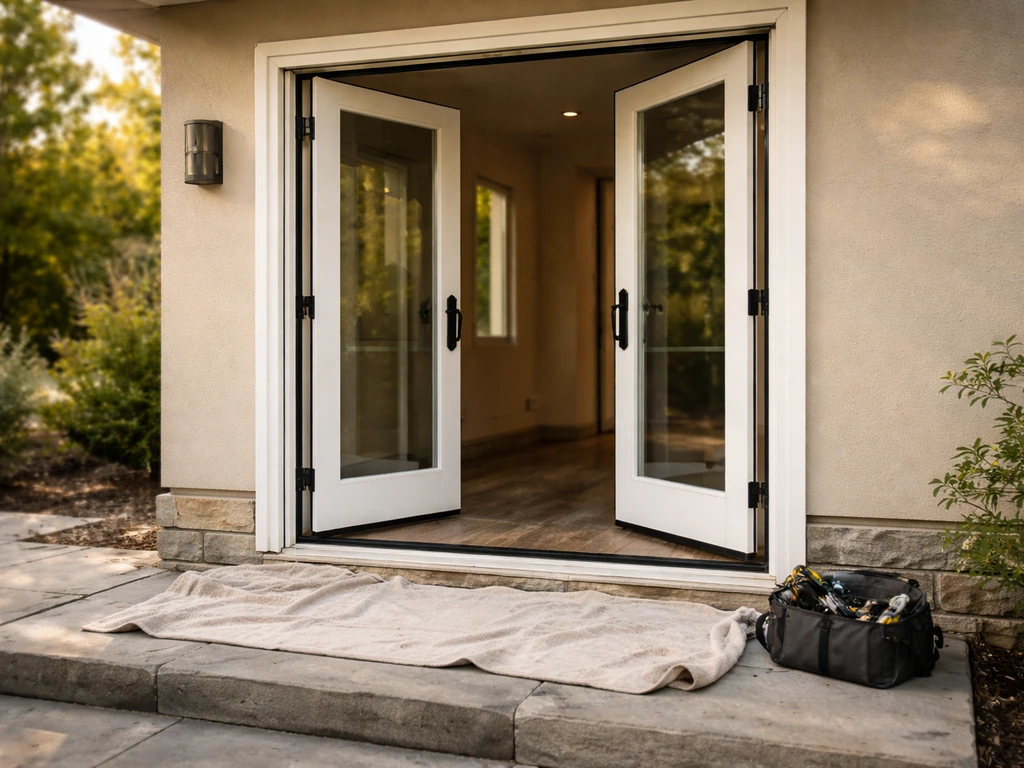
Bifold patio doors are priced differently than French door units, so it helps to compare your exact door size and materials when budgeting how much are bifold patio doors. If you're opening up a wall or going with premium wood and triple-pane glass, you can push well past that. The range is wide, but once you know your specific situation, you can narrow it down fast.
What French Patio Doors Actually Cost in 2026
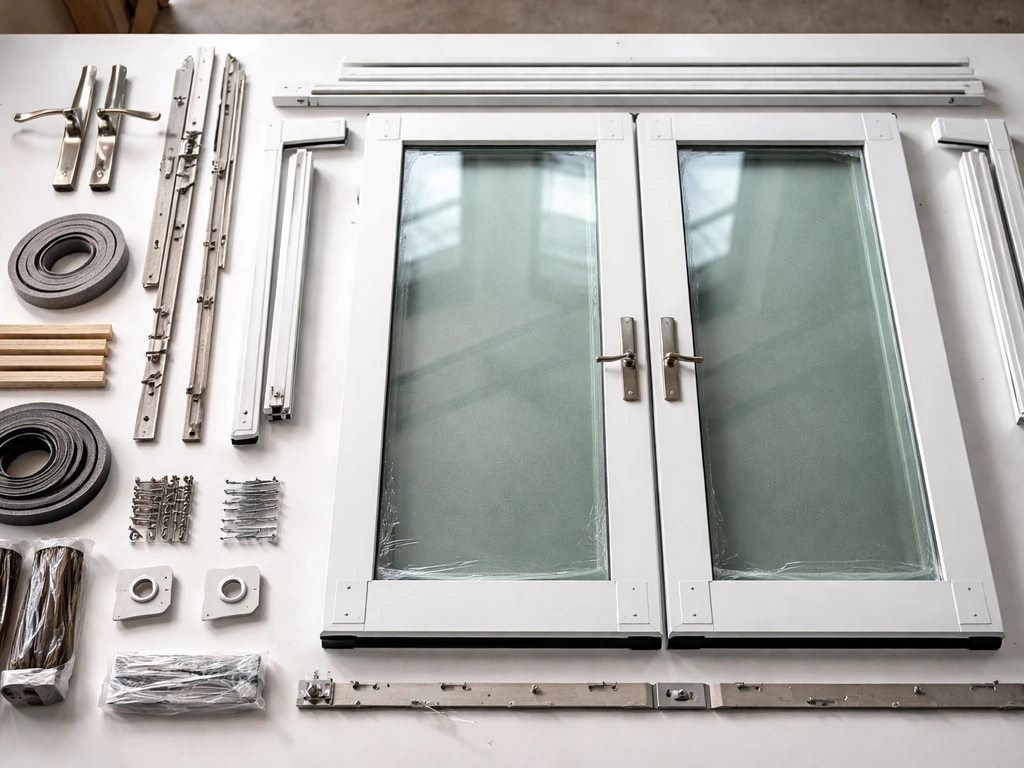
Door-only pricing gives you the unit, frame, panels, glass, and basic hardware, without any labor. That's what you see at Home Depot, Lowe's, or a local lumber yard. Fully installed means everything: the door, labor, permits if required, disposal of the old door, flashing, trim work, and any framing adjustments. Those two numbers look very different, and confusing them is the most common budgeting mistake I see homeowners make.
| Scope | Low End | High End | Typical Sweet Spot |
|---|---|---|---|
| Door unit only | $1,000 | $5,000 | $1,500–$2,500 |
| Standard retrofit install (full project) | $2,000 | $7,000 | $2,500–$5,000 |
| Premium or complex install | $5,000 | $12,000 | $6,000–$9,000 |
| Big-box store installed (Home Depot/Lowe's) | $2,500 | $6,000 | $3,000–$4,500 |
The $1,300–$5,500 installed range you'll see cited by cost aggregators covers the bulk of straightforward replacements. The wider $2,000–$12,000 range accounts for everything from a basic vinyl unit to a custom oversized wood-clad French door system with transoms and new framing. Both numbers are accurate, they're just describing different projects.
Door-Only vs. Fully Installed: Where the Extra Money Goes
Labor alone typically runs $300 to $1,500, but that number can climb quickly if the job gets complicated. A simple pocket replacement, where the installer drops a new unit into an existing frame that's still in good shape, sits at the lower end. A full-frame replacement, where the old frame, jamb, and exterior casing all come out, takes more time and materials. Here's what gets added on top of the door price:
- Labor: $300–$1,500 for standard installs, $1,500–$3,000+ if framing work is needed
- Permits: $50–$300 depending on your municipality (some jurisdictions require them for exterior door replacements, others don't)
- Disposal of the old door: $50–$150, sometimes included in installer quotes, sometimes not
- Sill pan flashing and water barrier tape: $50–$200 in materials — this is non-negotiable for weather-tightness
- Exterior trim and brickmould: $100–$400 if the old casing doesn't match or needs replacing
- Interior casing and paint touch-up: $150–$500 depending on finish work
Always ask whether your quote includes permit filing and disposal. Some contractors include these, others add them as line items after you've agreed to a number. Getting that clarity upfront saves real headaches.
Replacing an Existing Patio Door With French Doors
This is the scenario most homeowners are actually dealing with: you've got a sliding patio door and want French doors, or you have old French doors that need replacing. The cost swings dramatically based on one key question, does the opening need to change size, or can you work with what's there?
Pocket Replacement vs. Full-Frame Replacement
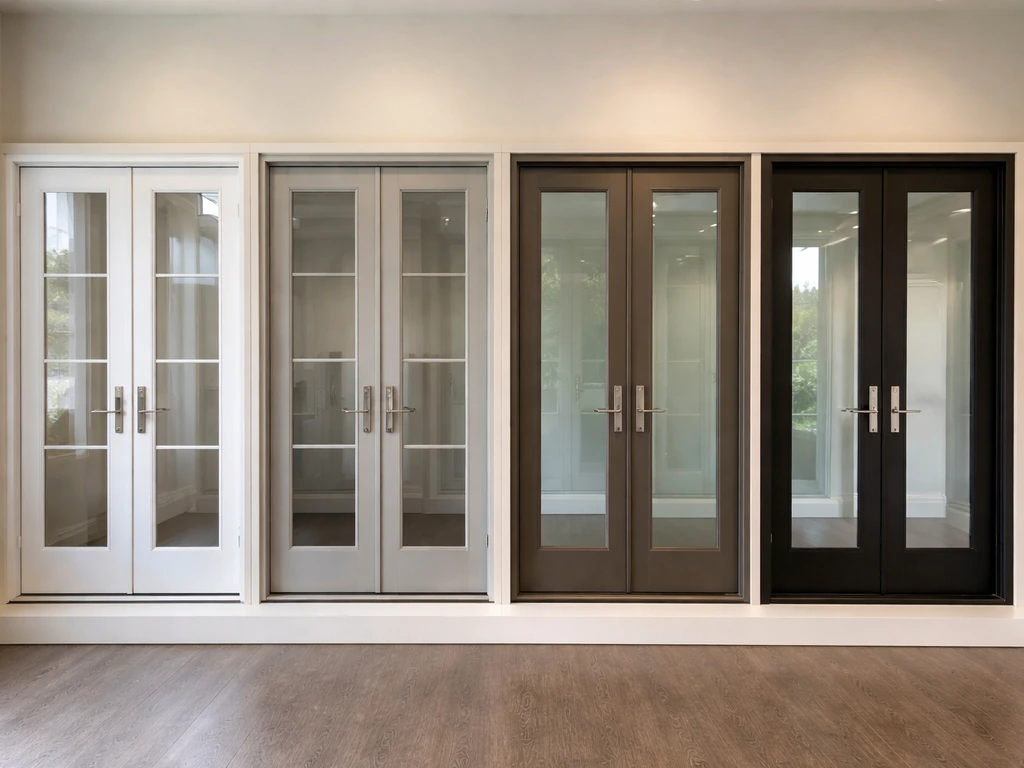
Pella and most major manufacturers describe two approaches. A pocket replacement (sometimes called an insert) slides the new door unit into the existing frame without touching the rough opening or exterior siding. This is faster, cheaper, and less disruptive, but it only works if the existing frame is structurally sound and the new door matches the rough opening dimensions closely. A full-frame replacement removes everything down to the rough opening. It's the right call when the old frame is rotted, the opening is out of square, or you're changing door sizes. Full-frame jobs add $500 to $2,000 to the total because of the extra demo, flashing, and finish work required.
When Costs Spike During a Replacement
Installers often pull interior casing to measure the actual rough opening before they can give a firm quote. What they find behind the wall matters. Rot, water damage, out-of-plumb framing, and old non-standard rough opening sizes all add cost. Checking plumb, level, and square isn't just an installation step, it determines how much prep work is needed before the door even gets set. Budget a contingency of 10–15% for any project involving a door that's more than 15 years old, especially in wet climates.
- Rot or water damage to the sill or framing: add $300–$1,500+ for carpentry repairs
- Opening is too small for the new door: framing modification adds $500–$2,000
- Exterior siding doesn't match after frame removal: add $200–$800 for siding repair or new trim
- Old threshold removal and new sill pan installation: $150–$400
- Re-flashing the rough opening with flexible membrane tape: $100–$300
The Biggest Cost Drivers: Size, Material, and Glass
These three factors control more of your total cost than anything else. Getting clear on each one before you start shopping will save you from sticker shock when quotes come in.
Door Size and Number of Panels
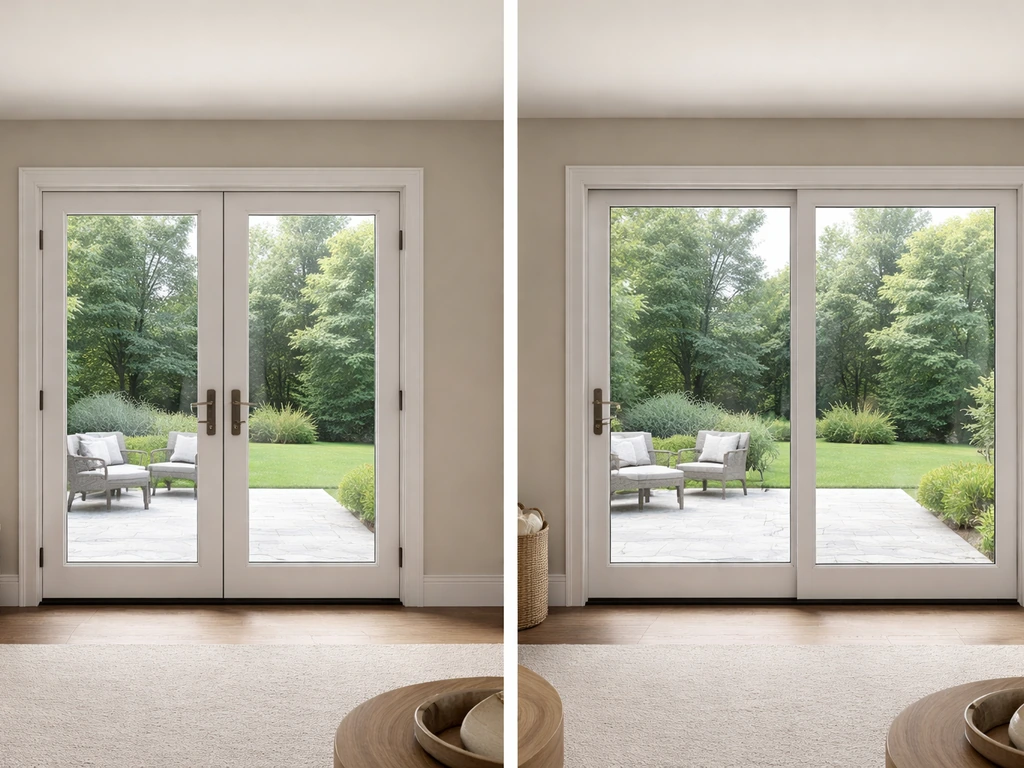
Standard French patio doors are a 6-foot double unit (two 3-foot panels). That's the most common size and the one you'll find the widest selection for. Go to 8 feet wide (two 4-foot panels) and prices jump 20–40%. Add sidelites or a transom window above, and you're looking at an additional $500–$2,000 depending on the configuration. Non-standard sizes, anything that doesn't match a manufacturer's catalog dimensions, require custom ordering, which adds lead time and cost.
Frame Material
Material is the single biggest lever on door-only price. Vinyl and aluminum units sit at the lower end of the range. Fiberglass costs more but holds up better in harsh climates and requires less maintenance than wood. Wood is the most expensive, most customizable, and most demanding, it needs periodic repainting or staining to stay weather-tight. Wood-clad (fiberglass or aluminum exterior with wood interior) splits the difference and is a popular choice for people who want that interior wood look without the exterior maintenance.
| Material | Door-Only Range | Pros | Cons |
|---|---|---|---|
| Vinyl | $1,000–$2,500 | Affordable, low maintenance, good insulation | Limited color/finish options, can look basic |
| Aluminum | $1,200–$3,000 | Slim frames, modern look, durable | Conducts heat/cold, less energy efficient unless thermally broken |
| Fiberglass | $2,000–$4,500 | Low maintenance, great insulation, realistic wood grain finishes | Higher upfront cost |
| Wood | $2,500–$5,000+ | Classic look, highly customizable, strong | Requires regular maintenance, higher cost |
| Wood-clad | $3,000–$5,500+ | Wood interior, weather-resistant exterior | Premium price, heavier units |
Glass Package
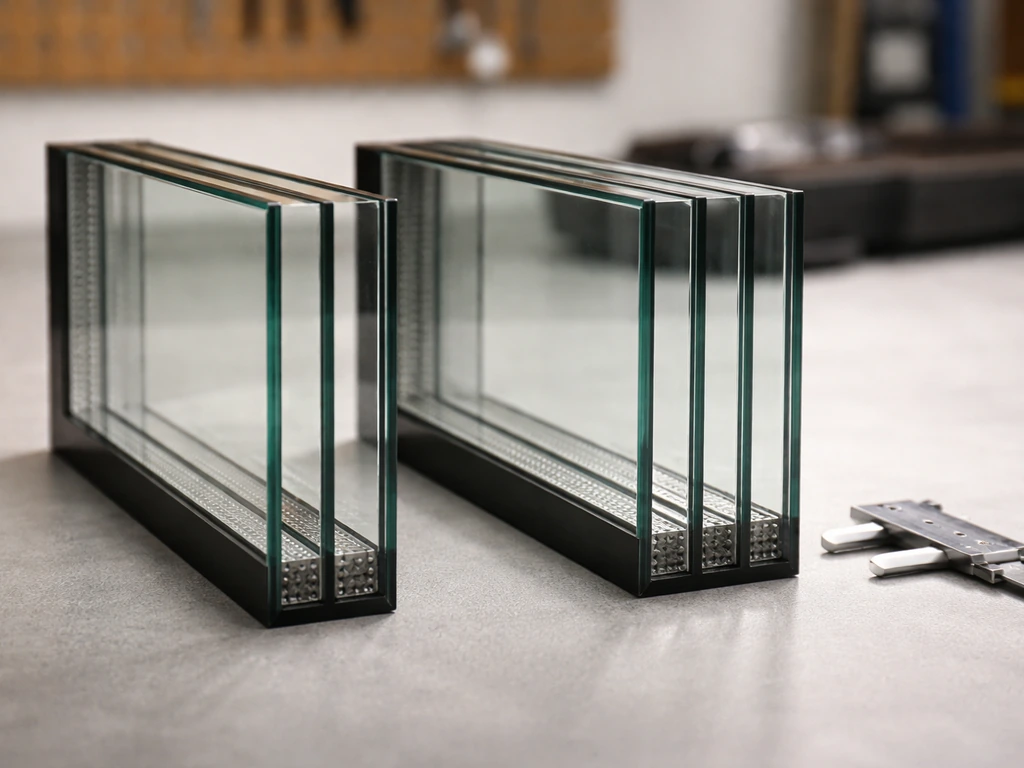
Most French patio doors today come standard with double-pane, Low-E glass with argon fill, and that's a reasonable baseline for most climates.
Upgrading to triple-pane with triple Low-E and argon, like Pella's Vista aluminum units which spec out at U-factor 0. 29 and SHGC 0. 26, adds $300–$1,000 to the door price but meaningfully improves performance in very cold or very hot climates. Different performance tiers have different names depending on the brand (Pella uses NaturalSun vs AdvancedComfort, for example), but what you're really comparing is U-factor and SHGC ratings.
Lower U-factor means better insulation. Lower SHGC means less solar heat gain, important in southern climates. If you're in a heating-dominated climate, prioritize U-factor. If you're in the Sun Belt, SHGC matters more.
Don't pay for triple-pane in Miami; don't skip it in Minnesota.
Hardware Upgrades
Multi-point locking systems, upgraded handles, and keyed entry hardware add $100–$500 to the door price but significantly improve security and weather-sealing. This isn't purely cosmetic, the compression that a multi-point lock creates against the weatherstripping actually tightens the door's air seal. If security is a concern, it's worth the upgrade.
Brand Comparisons: What You Get at Each Price Level
You don't have to spend top dollar to get a solid French patio door, but brand and product tier do affect long-term value. Here's how the major players stack up:
| Brand | Material Options | Price Tier (Door Only) | Notes |
|---|---|---|---|
| Pella | Vinyl, fiberglass, aluminum, wood-clad | $1,800–$5,500+ | Wide product lineup; Lifestyle Series (fiberglass) and Vista (aluminum) are popular mid-to-premium tiers |
| Andersen | Fiberglass (100 Series), wood-clad (400 Series, E-Series) | $2,000–$6,000+ | Strong reputation, excellent warranty, slightly premium pricing; good sizing and rough opening documentation |
| Therma-Tru | Fiberglass, steel | $1,200–$3,500 | Known for entry and French door systems; good value in fiberglass, strong installation support resources |
| Milgard | Vinyl, fiberglass, aluminum | $1,000–$3,000 | West Coast focus, solid mid-range option, full lifetime warranty on some lines |
| Home Depot / Lowe's private label | Vinyl, aluminum | $800–$2,000 | Budget entry point; fine for low-traffic or investment properties, limited customization |
If budget is your main driver, a Therma-Tru or Milgard fiberglass unit gives you durability without Andersen or Pella pricing. If you're in a premium home or plan to stay long-term, Andersen and Pella's higher-end lines hold their value better and tend to have tighter tolerances out of the box. Premium brands like Marvin sit above most of these and can push door-only pricing well past $5,000 for their top configurations, worth it for some projects, overkill for others. If you're specifically comparing Marvin patio doors, pricing typically depends on the configuration, frame material, and the glass package you choose.
Budgeting by Project Scope
Your total cost is heavily shaped by what kind of project you're actually doing. These three scenarios cover most homeowner situations.
Scenario 1: Straightforward Replacement (Retrofit)
You're swapping out an old French door or a similarly sized sliding patio door for new French doors, the opening is the right size, and the framing is in good shape. This is the cleanest scenario. Budget $2,500 to $5,000 total for a standard 6-foot fiberglass or vinyl unit with professional installation. If you're in a higher cost-of-living area like Chicago suburbs or the Northeast, expect to land closer to $4,000–$6,000 for the same scope. Big-box installation programs from Home Depot or Lowe's often fall in this range and can be convenient, though local installers frequently offer more flexibility on trim and finish work.
Scenario 2: Full-Frame Replacement or Size Change
The old frame is compromised, or you're changing the door width, say, going from a 6-foot slider to an 8-foot French door system. Now you're doing full-frame work: demo, possible framing modifications, new sill pan, re-flashing, and new exterior trim. Budget $4,000 to $8,000 for a mid-grade unit with this level of work. Add another $1,000–$3,000 if there's any structural framing work or significant siding repair involved.
Scenario 3: New Opening (Cut Through a Wall)
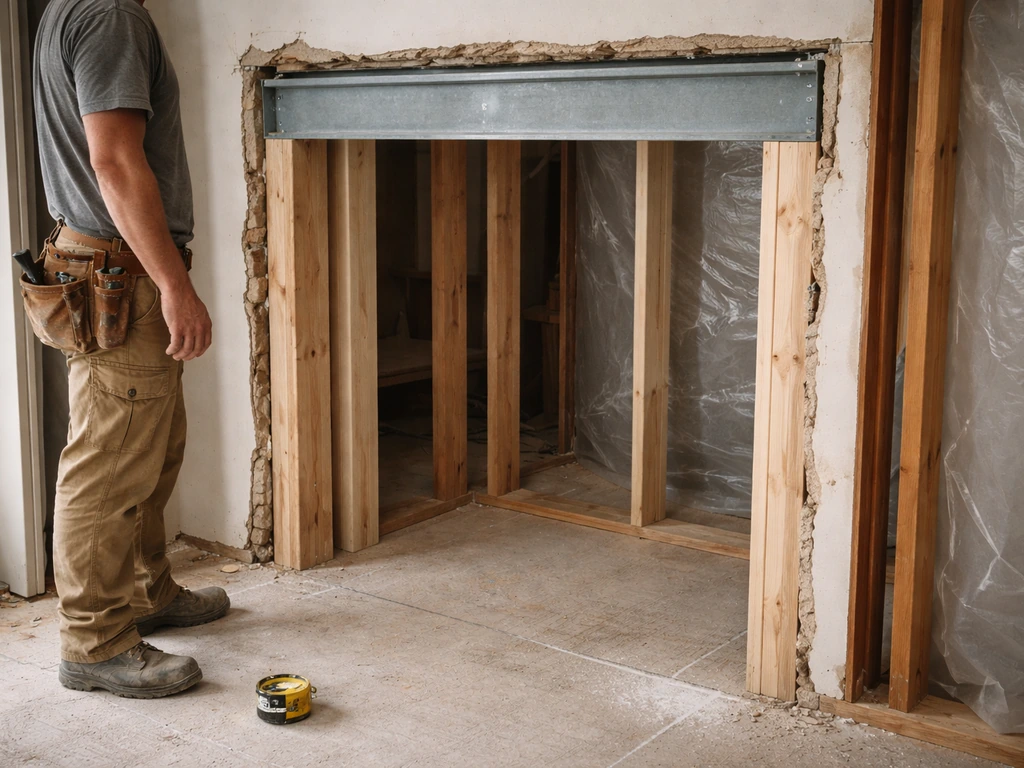
This is the most expensive scenario: you want French doors where there's currently solid wall. This involves structural work, a new header, potentially a load-bearing beam, framing the rough opening, exterior siding, and interior drywall patching in addition to the door itself. Total project costs here range from $5,000 to $12,000+, and the structural portion alone can run $2,000–$5,000 before the door even arrives. Get a structural engineer's sign-off on any load-bearing wall work before you commit. French doors are beautiful in a new opening, but the budget and timeline are a different category than a simple replacement.
For comparison, sliding patio doors often run $500–$1,500 less than French doors for equivalent size and material, largely because the hardware is simpler. Sliding patio doors usually cost less than French doors for the same size and materials, so it's worth comparing both options when budgeting. Bifold patio doors tend to run more than French doors, the multi-panel track systems add cost.
If you're specifically considering bi-fold patio doors, their pricing can be higher than standard French door installs depending on the panel count, track system, and glass package. Bifold patio doors have their own pricing drivers, so it helps to compare them alongside French door costs before you budget. If budget is tight, sliding doors are the most economical option; if you want maximum light and a more traditional aesthetic, French doors hit a great middle ground.
Installation Timeline and How to Get Accurate Quotes
What to Expect on Installation Day
A standard pocket replacement takes 4 to 8 hours for an experienced crew. A full-frame replacement typically runs a full day. Projects with framing work, siding repair, or custom units can stretch to two days or more. Lead time for special-order or custom doors ranges from 3 to 10 weeks depending on the manufacturer and time of year, spring and early summer are peak season, so order early if you have a target date.
Proper installation involves more than just setting the unit. The installer needs to check the rough opening for plumb, level, and square; set the door with shims; fasten through the jamb; apply sill pan flashing and flexible membrane tape around the perimeter; foam-seal the gap between the door frame and rough framing for air sealing; and apply interior and exterior trim. Proper water-tightness depends on the sill pan and continuous flashing approach, including using a sill-pan kit and flexible flashing at the perimeter, as noted in Therma-Tru’s installation guidance sill pan flashing and flexible membrane tape around the perimeter. Shortcuts on any of these steps lead to drafts, water infiltration, and operation problems down the road.
Measurements to Take Before You Call Anyone
- Rough opening width and height: measure from framing to framing, not from the old door frame
- Existing door unit width and height: the outside edge of the frame on all four sides
- Wall thickness: measure at the door opening from interior to exterior surface
- Distance from threshold to floor on both the interior and exterior side
- Note whether there's a sill extension, stoop, or deck on the exterior — this affects threshold options
If you can't safely measure the rough opening without removing interior casing, note that in your conversations with installers. Many will build a site visit into their quote process specifically to expose and measure the rough opening, and that's worth doing before anyone commits to a door size.
Questions to Ask Every Installer Before You Sign
- Is this a pocket replacement or full-frame? What's your recommendation and why?
- Does your quote include permit filing and permit fees?
- Is old door disposal included, or is that extra?
- Does the quote include sill pan flashing and perimeter air sealing?
- What exterior trim/brickmould is included — and does it match my current siding profile?
- What interior casing is included, and will there be paint or drywall touch-up needed?
- What's your warranty on labor, separate from the manufacturer's product warranty?
- What's the lead time from order to installation date?
- If there's rot or framing damage discovered on demo day, how is that priced?
How to Compare Quotes Apples-to-Apples
The most common mistake is comparing a quote that includes permits, disposal, trim, and air sealing to one that only includes the door and basic labor. Ask each bidder to line-item their quote so you can see exactly what's in and what's out. Confirm the door model number, size, glass package, and hardware finish are identical across all bids.
A $500 gap between two quotes often disappears when you realize one quote uses double-pane standard glass and the other uses Low-E with argon, or one includes brickmould and one doesn't. Get at least three quotes for any job over $3,000, and don't automatically go with the lowest, ask the low bidder what they're leaving out.
Getting at least three bids is one of the fastest ways to find the best price on patio doors for your exact door size and glass package Get at least three quotes.
One more thing: if you're buying through a big-box retailer's installation program, confirm whether the installer is an employee or a subcontractor, and ask how warranty claims are handled if something goes wrong. Independent installers often offer more flexibility on finish details, while retail programs offer the convenience of a single purchase and install transaction. Neither is automatically better, it depends on how much hand-holding you want during the project.
FAQ
Do French patio doors cost more if I want them to be the same width as my existing sliding door?
Yes, sometimes. A like-for-like swap is usually cheapest, but if your rough opening is sized for a slider or the wall has different header dimensions, the installer may need full-frame work or custom sizing. Ask the contractor whether they can do a pocket insert in your opening before you assume the price will match your current door width.
What parts are most likely to add cost after the quote is signed?
Changes to the rough opening are the biggest surprise (out-of-plumb framing, rot behind the jamb, or non-standard rough opening sizes). Also watch for exclusions like sill pan flashing details, exterior trim replacement, or siding repair. A good quote will spell out whether those items are included or billed as separate line items once the unit is opened up.
Is it worth paying extra for triple-pane glass in a mixed climate?
Often it depends on your sun exposure and the home’s heating versus cooling needs. If your main concern is winter heat loss, prioritize a lower U-factor upgrade. If your issue is overheating from direct sun, prioritize a lower SHGC. You can ask installers to specify the U-factor and SHGC on your exact door line so you are not paying for triple-pane without the matching performance tier.
How can I tell if I qualify for a pocket replacement instead of a full-frame install?
You usually qualify only when the existing frame and surrounding structure are sound and straight enough to match the new unit dimensions closely. The installer should measure rough opening plumb, level, and square after exposing the area, often by removing interior casing. If the opening is out of square or the sill shows water damage, expect full-frame pricing.
Will I need permits for French patio door installation?
Sometimes. Simple replacement with no change to the opening size may be permit-exempt in some areas, but permit requirements increase when you alter the opening, do structural work, or affect exterior wall elements. Ask the contractor to confirm local permit expectations in writing, especially if you are adding sidelight or transom glass.
What warranties should I look for, and how do they differ by retailer versus local installer?
Look for warranty coverage on the door unit, glass, and hardware separately, plus what counts as an installation-related defect. If you use a big-box installation program, confirm who handles warranty labor and whether the warranty is processed through the manufacturer or the retailer. Clarify upfront whether service fees apply if the issue is attributed to installation.
Does choosing multi-point locking increase security enough to justify the added cost?
In many cases, yes. Multi-point locks typically compress the door against weatherstripping at multiple points, which improves air sealing and resistance to drafts as well as entry. If security is a concern, ask whether the quote includes the full multi-point hardware package, not just an upgraded handle.
How much should I budget for cleanup and disposal beyond the door price?
At minimum, expect some cost for debris removal and hauling, but the exact amount depends on whether the installer includes disposal in the bid. Because this is commonly omitted, ask for a line item stating whether old doors and packaging are removed and whether any siding or trim waste is included in disposal charges.
What is a realistic timeline if I need the doors installed quickly?
Custom or special-order units can take 3 to 10 weeks depending on the manufacturer and season, and peak months typically extend lead times. Installation itself is often half a day to a full day for standard replacements, but framing or structural scenarios can take two days or more. If you have a target date, ask the contractor for lead time at the time of quote, not after final payment.