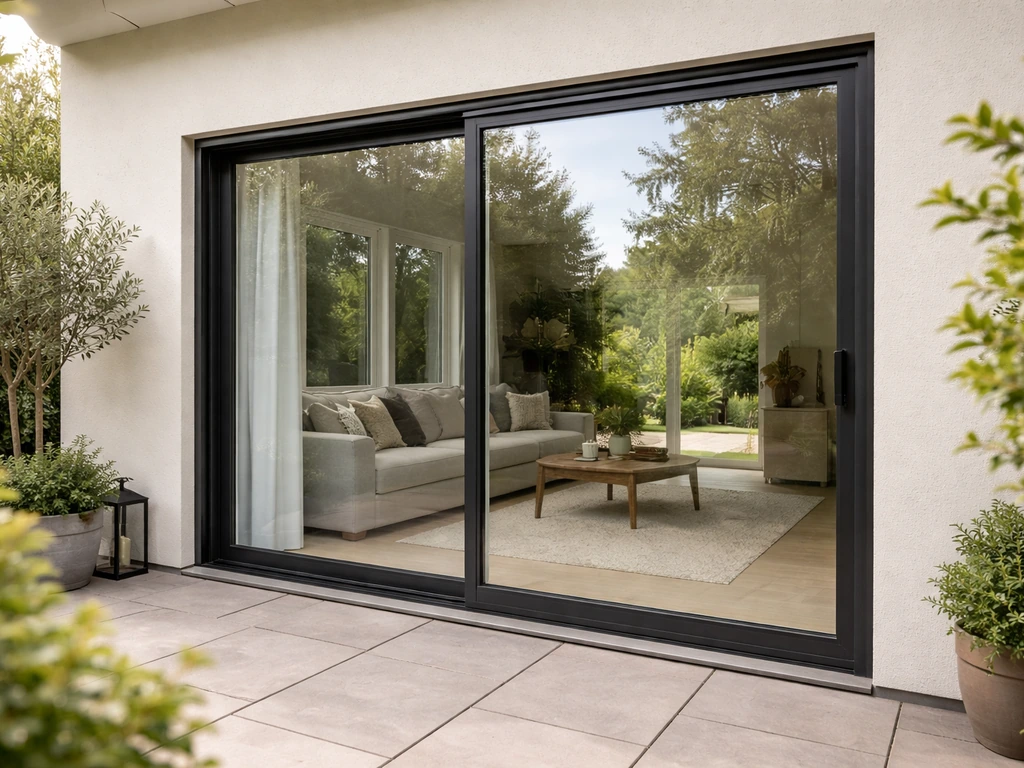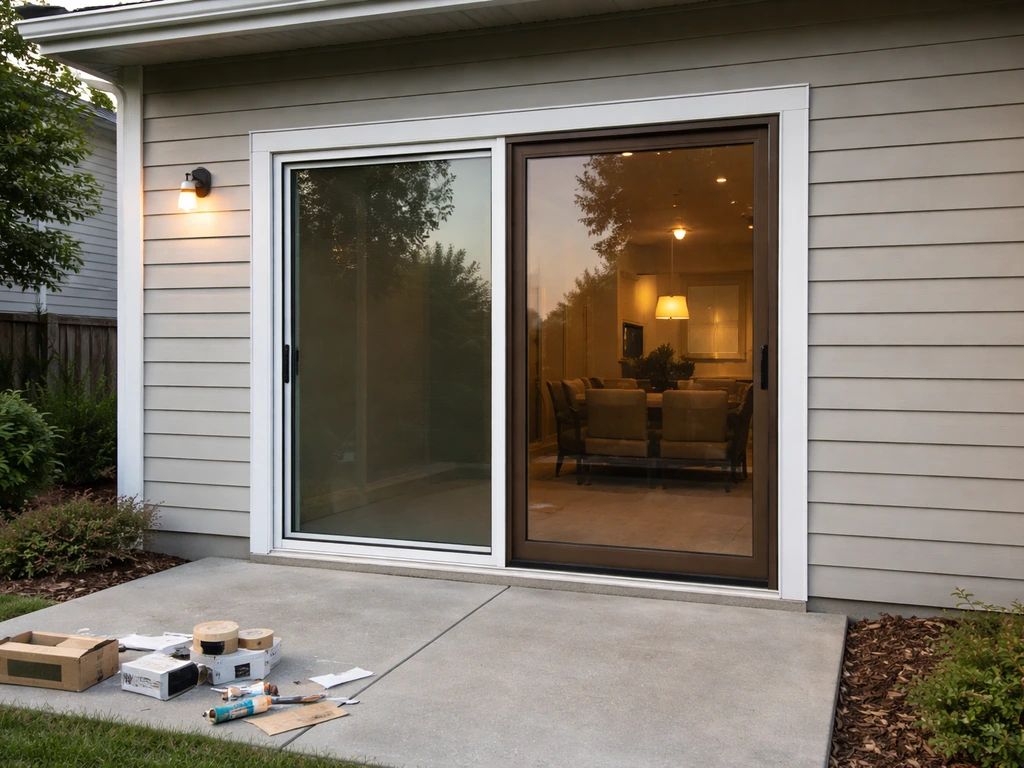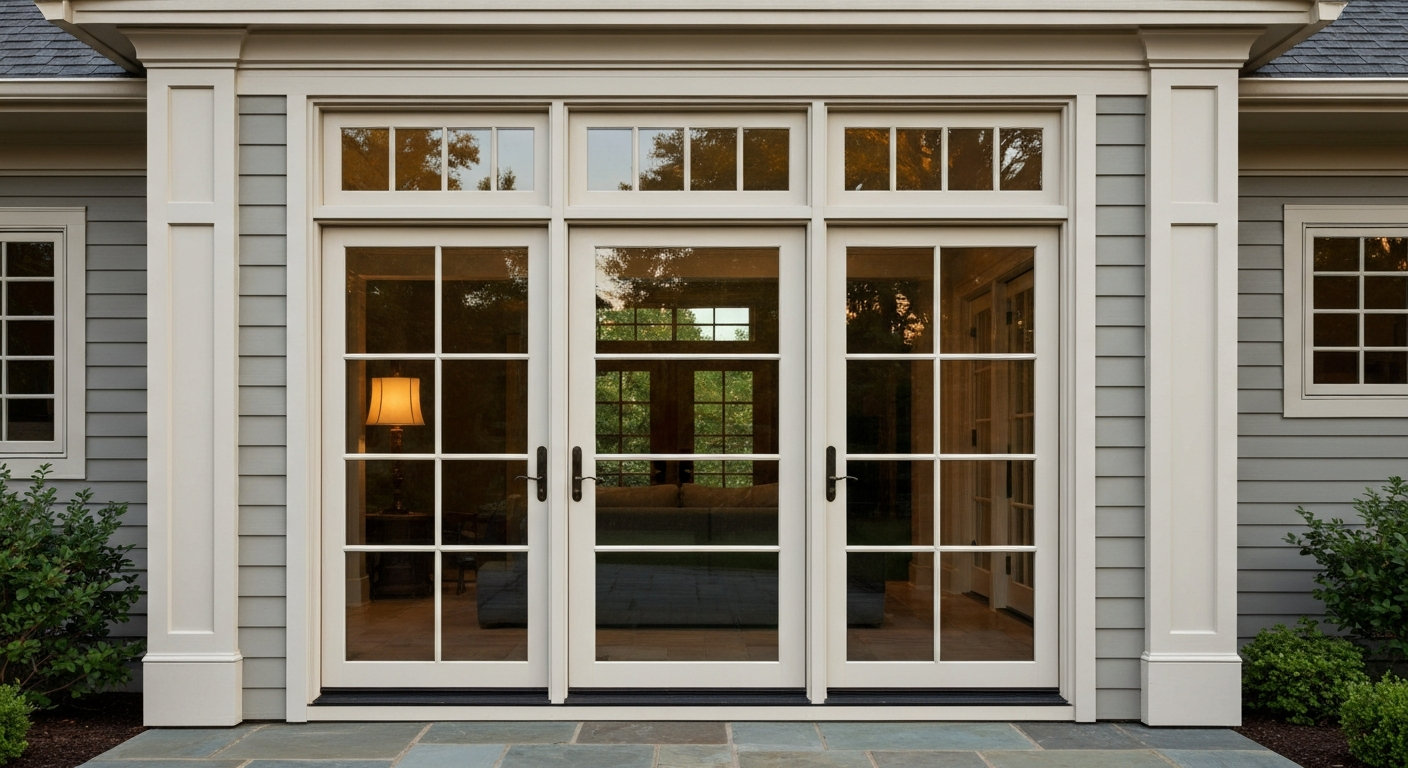
Bifold patio doors typically cost $5,000 to $20,000 installed for a standard 6- to 10-foot wide opening, with the door system itself running anywhere from $2,000 to $15,000+ depending on size, materials, and glazing. That's a wide range, but most homeowners with a mid-size opening (around 8 to 10 feet), aluminum frames, and double-pane low-E glass end up spending $8,000 to $14,000 all in. If you're trying to budget today, that's your realistic planning number before you get firm quotes. If you're wondering how much do bi-fold patio doors cost for your specific opening, the final number will depend on size, frame material, glazing, and installation scope.
How Much Are Bifold Patio Doors? Costs Installed
Owen Delaney
14 Jun 2026
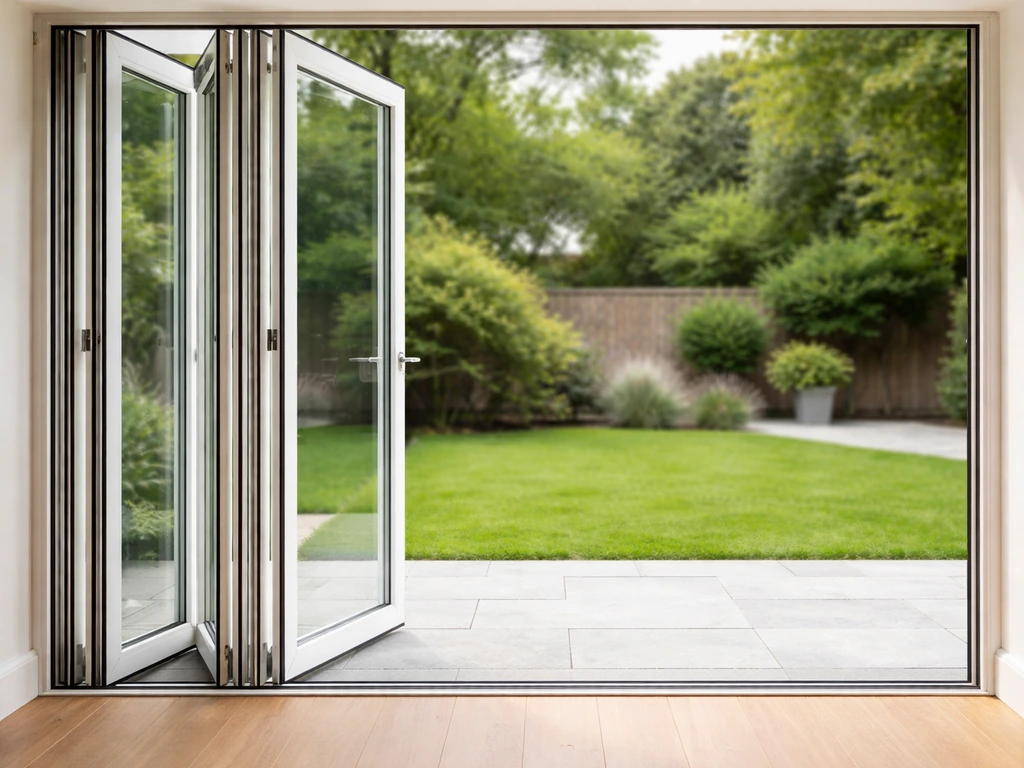
What bifold patio doors actually cost by material and style
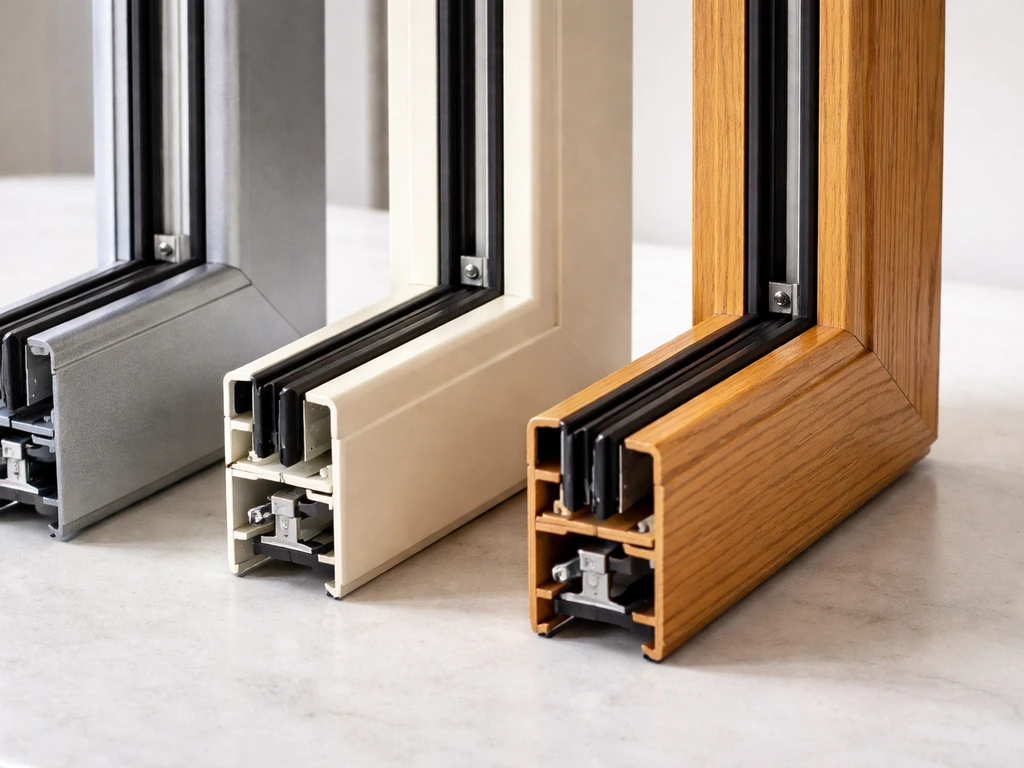
The door system cost depends heavily on frame material and how custom or engineered the configuration is. Aluminum is the most common choice for exterior bifold patio doors because it's strong enough to support large glass panels without a heavy frame profile. Vinyl is cheaper upfront but less common in wider folding systems because it can flex or sag. Wood and wood-clad options exist at the premium end. Here's how pricing shakes out across common configurations in 2026:
| Configuration | Door/System Cost (product only) | Notes |
|---|---|---|
| Basic aluminum bifold, 2–3 panels, ~6–8 ft wide | $2,500–$4,500 | Entry-level systems, standard clear glass |
| Mid-range aluminum, 3–4 panels, ~8–10 ft wide, double-pane low-E | $4,500–$8,000 | Most common residential choice |
| Thermally broken aluminum, 4–5 panels, ~10–12 ft wide, low-E argon | $7,000–$12,000 | Better energy performance, wider openings |
| Custom or premium aluminum/wood-clad, 5–6 panels, 12–16 ft wide | $10,000–$20,000+ | High-end custom design, premium hardware |
| Vinyl bifold, 2–3 panels, ~8 ft wide | $2,000–$4,000 | Budget option, less common for wide spans |
Pricing guides peg the per-linear-foot cost at roughly $800 to $2,000+ for exterior bifold systems, which lines up with the table above. A basic 6-foot system at $800/ft gets you to $4,800, while a premium 12-foot system at $1,500/ft puts you at $18,000 just for the product. The per-linear-foot framing helps when you're comparing bids, but don't use it as a substitute for an actual quote on your specific opening.
What drives the price up (or down)
Number of panels and opening width
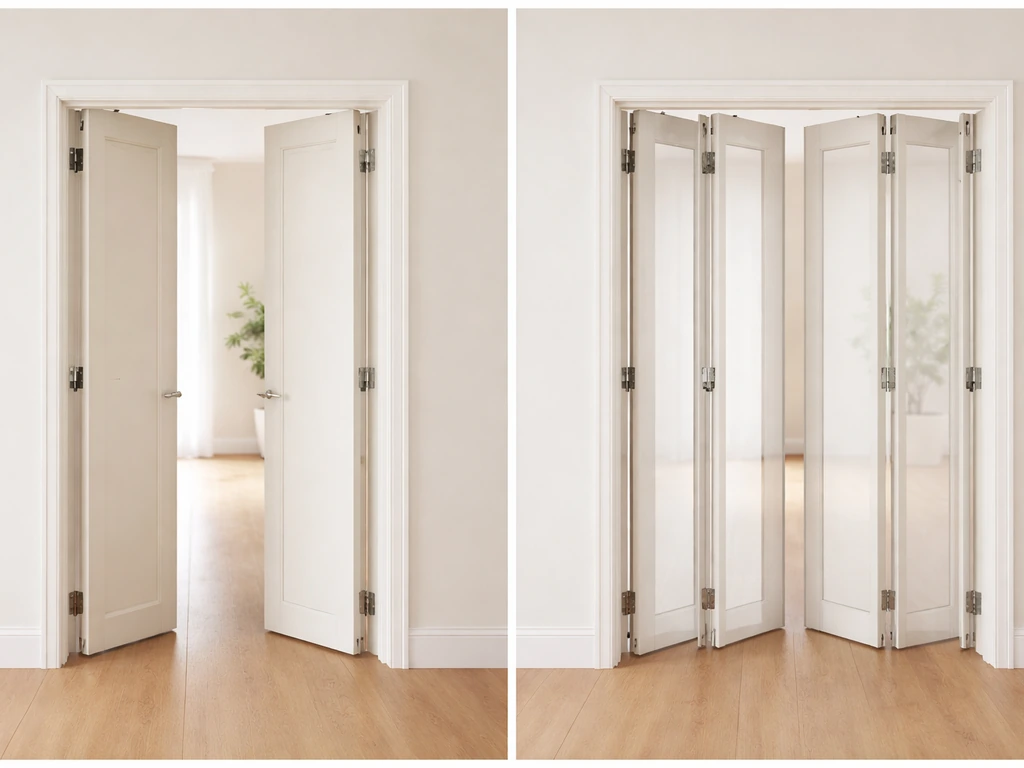
Every panel adds cost, both in materials and in hardware. More panels mean more hinges, more rollers, more seals, and a more complex folding mechanism. A 2-panel system folding into a 6-foot opening is relatively simple. A 6-panel system spanning 14 feet involves a lot more engineering. When panels get wider or taller, the glass weight increases significantly, which means heavier-duty track and hardware.
Glazing: double-pane, low-E, triple-pane, and gas fills
The glass package is one of the biggest cost levers. Standard clear double-pane is the baseline. Double-pane with low-E coating and argon gas fill is what most people should get for comfort and energy savings, and it typically adds $100 to $300 per panel for the gas fill and a modest amount for the low-E coating. If you want triple-pane, plan for an additional $500 to $2,000 over double-pane depending on the system size. Triple-pane makes sense in very cold or very hot climates, but for most of the country, double-pane low-E with argon hits the sweet spot. ENERGY STAR-qualified glazing packages are worth looking for, especially in systems where the glass area is large.
Frame material and thermal performance
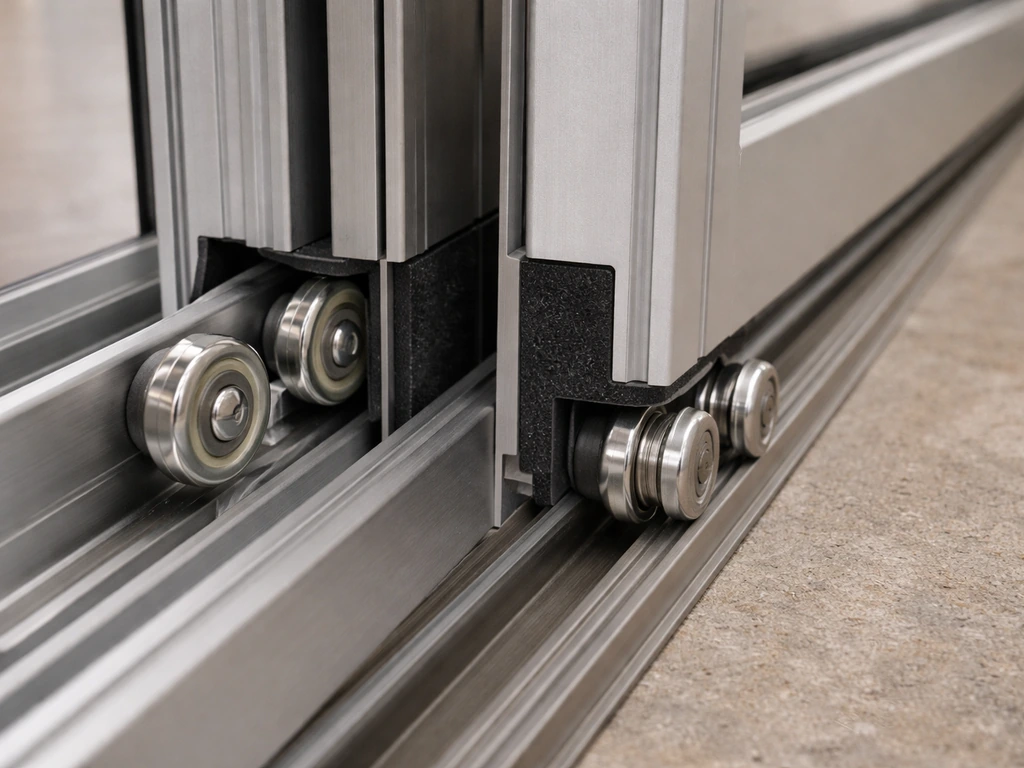
Standard aluminum frames conduct heat and cold easily, which can cause condensation and energy loss at the frame edge. Thermally broken aluminum adds a non-conductive barrier inside the frame, improving energy performance noticeably. That upgrade typically adds $1,000 to $3,000 to the door cost depending on size. If you live somewhere with real winters or intense summers, thermally broken frames are worth the premium.
Hardware quality and track system
The track and roller hardware is where bifold doors either earn their reputation or frustrate you for years. Budget systems use lighter rollers and basic aluminum track. Better systems use stainless or heavy-duty aluminum carriages that glide smoothly under the weight of large glass panels. The difference in hardware quality between a $3,000 system and a $10,000 system is very real. Better hardware also tends to be more serviceable, which matters when you're 10 years in and a roller needs attention.
Finishes and custom colors
Standard anodized silver or bronze finishes are included in base pricing. Powder-coated custom colors (black, white, custom RAL colors) typically add $500 to $1,500 depending on the system size. If you want an exact match to your home's exterior trim, budget for a color upcharge.
Installation costs: labor, site prep, removal, and permits
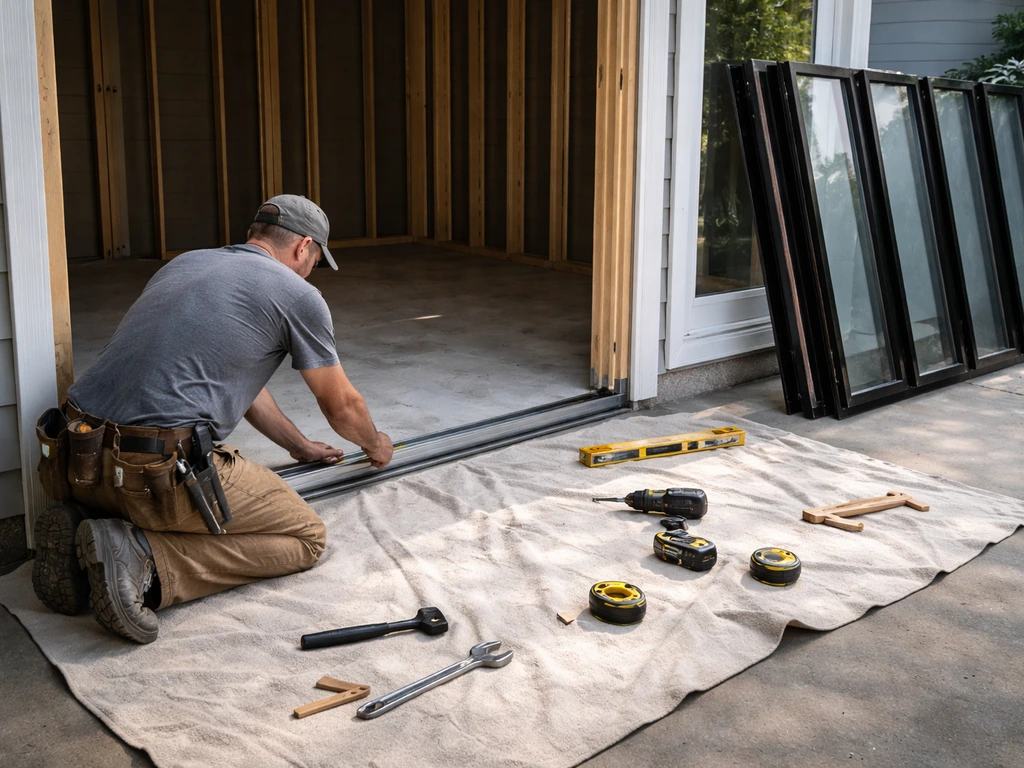
Labor alone for installing an exterior bifold patio door system typically runs $600 to $2,500+, and that's before any structural work, header modifications, or removal of an existing door. For a straightforward replacement of a large opening that already has the right rough opening dimensions, you're at the lower end. If the opening needs to be widened, a structural header needs to be added or resized, or there's a load-bearing wall involved, costs jump significantly. Here's what goes into the installation budget:
- Labor to set the track, hang panels, align, and adjust: $600–$2,500 depending on complexity and number of panels
- Removal and disposal of existing door or sliding door: $150–$400
- Rough opening modification (framing, header work): $500–$3,000+ if structural changes are needed
- Permits: $50–$500 depending on your municipality (many jurisdictions require a permit for exterior structural door work)
- Threshold and floor leveling if the slab or subfloor isn't perfectly flat: $200–$800
- Flashing, weatherproofing, and exterior trim work: $300–$1,000
Add it up and you can see how a $6,000 door system becomes a $10,000+ installed project quickly once you factor in everything. Always ask installers to quote the full scope, not just the door hanging labor.
Bifold doors vs. sliding and French patio doors: where's the value?
Bifold patio doors are genuinely more expensive than both sliding and French patio doors, and it's worth knowing exactly why before you commit. If you're specifically shopping for Marvin patio doors, the brand and configuration can shift those typical price ranges. Sliding doors in the same 8- to 10-foot range typically run $3,000 to $8,000 installed. Sliding patio doors often cost less than bifold systems, so it helps to compare options side by side when budgeting sliding doors. French doors covering a similar opening are usually $2,500 to $6,000 installed. French patio doors covering a similar opening usually cost a bit less than bifold systems, so it's helpful to compare the installed ranges. Bifolds cost more because the folding hardware is more complex, the panels must be precisely aligned across a wide span, and the screen and cover systems sold as accessories add to the total project cost. One estimate puts the material cost premium of bifolds over sliding doors at roughly $1,300 to $2,500 for a 12- to 16-foot opening, with installed cost running $3,000 to $6,000 more.
| Door Type | Typical Installed Cost (8–10 ft opening) | Best For | Main Trade-off |
|---|---|---|---|
| Bifold/Folding Patio Door | $8,000–$14,000 | Maximum open feel, indoor-outdoor living | Highest cost, more hardware to maintain |
| Sliding Patio Door | $3,000–$8,000 | Everyday access, budget-conscious buyers | Less dramatic opening, panels always in the way |
| French Patio Door | $2,500–$6,000 | Classic look, smaller openings | Limited to 5–6 ft max practical width |
If your main goal is maximizing the opening between your interior and a patio or deck, bifolds are the best product for that. If you just need functional access and good weather sealing at a reasonable price, a quality sliding door delivers a lot of value for considerably less money. French doors are great for narrower openings with a traditional aesthetic but aren't really a direct competitor to bifolds at wide spans.
How to get an accurate quote today
Measure the right thing
This is where homeowners mess up most often. Do not measure the existing door frame or the visible glass. You need the rough opening: the structural opening in the framing, measured width from stud to stud and height from the subfloor (or concrete slab) to the underside of the header. Standard bifold doors need a rough opening about 1/2 inch to 1 inch wider than the door's nominal size to accommodate the track hardware and pivot mechanisms. Reeb defines “Finished Opening Widths” as true to the measurement (for example, a 3/0 is 36 inches and a 2/8 is 32 inches), but notes the finished opening may differ slightly if the bifold ships without a standard frame finished opening widths can differ slightly if the bifold ships without a standard frame. Pella's own specs call for rough opening width of (finished door width + 1 inch) and rough opening height of (finished door height + 0.625 inches). Write down your rough opening dimensions before you call anyone.
Also check your floor level. If your threshold is a concrete slab, the bifold track sits on that surface, and any unevenness across a wide opening affects how smoothly the system operates. If you have a deck or wood subfloor, confirm the floor is flat and level across the full opening width before the installer arrives.
Replacement vs. new installation
If you already have a bifold or large sliding door in that location and the rough opening dimensions work, replacement is simpler and cheaper. If you're converting a wall with no opening, or widening an existing opening significantly, you're into structural territory that requires permits and possibly an engineer. Be honest with installers about what's there now so they can quote the full scope.
Questions to ask every installer
- Does your quote include removal of the existing door and disposal?
- Is any rough opening modification or header work included, or is that a separate cost?
- What glazing package is in this quote (double-pane clear, low-E, argon fill, triple-pane)?
- What track and hardware brand/grade are you using, and what's the weight rating per panel?
- Does the quote include flashing, weatherproofing, and exterior trim?
- Who pulls the permit, and is that cost included?
- What warranty covers the door system, and what covers your labor?
- Have you installed this specific brand/system before?
Get at least three quotes. The range between the lowest and highest bid on a bifold door project can be $3,000 to $5,000 for the same opening, usually because of differences in what's included rather than pure markup. To find the best price on patio doors, compare quotes side by side and make sure they include the same glazing, hardware, and installation scope. A suspiciously low bid often means glazing or hardware downgrades, or scope exclusions you'll pay for later.
Building your budget
For planning purposes, take the door system cost you get quoted and add 20 to 30 percent for installation labor, site prep, permits, and trim work on a straightforward replacement. If your project involves structural modifications, add another $2,000 to $5,000 as a contingency. So if a dealer quotes you $7,000 for the door system on a clean replacement, budget $8,400 to $9,100 total installed before surprises.
Ongoing costs: maintenance, repairs, and security add-ons
Bifold patio doors have more moving parts than any other patio door type, which means maintenance matters more. The track is the critical area. Pella's own installation documentation recommends cleaning the roller tracks twice a year, and they specifically warn against applying penetrating oils or similar lubricants to the track itself. The right approach is to vacuum out debris from the bottom track and roller carriages first, then use an appropriate dry or silicone-based lubricant. Dirt and grit in the track is the number one cause of roller wear, which eventually leads to the panels dragging or binding.
If you're in a coastal or dusty environment, plan for more frequent track cleaning, at least quarterly. In those environments the track collects fine particles that act like sandpaper on the rollers over time. The quality of the hardware you bought upfront directly affects how forgiving the system is when maintenance slips.
Repair costs to know about
Roller carriage replacement is the most common repair on bifold patio door systems and typically runs $150 to $400 per panel for parts and labor. Seal replacement along the panel edges or the perimeter weatherstripping runs $100 to $300 depending on the system. Glass panel replacement on a unit with damaged glazing is expensive: plan for $400 to $900 per panel for double-pane low-E replacement glass, installed. This is one reason it's worth investing in a quality system upfront: cheaper systems use proprietary hardware that's harder to source replacement parts for five years down the road.
Security and screen add-ons
Bifold patio doors don't come with screens standard in most cases, and the screen systems designed for folding doors (retractable or stacking screens) add $500 to $1,500 to the project. Multi-point locking systems are standard on better bifold systems but may be an upgrade on budget options: worth confirming before you buy. If you want a security bar, floor bolt, or additional locking point, those accessories typically run $100 to $300 installed. Factor these into your project budget from the start rather than treating them as afterthoughts, because they'll add up.
The bottom line: bifold patio doors are a serious investment that pays off in livability and home value when done right. Know your rough opening dimensions, get multiple quotes that cover the full scope, choose a glazing package that matches your climate, and build a realistic total budget that includes installation, permits, and accessories. That's what separates a smooth project from an expensive surprise.
FAQ
What size opening do I need to estimate bifold patio door pricing accurately?
Use the rough opening, measured stud-to-stud for width and slab-to-header underside for height. The opening should be about 1/2 to 1 inch wider (and slightly taller) than the finished door size to fit the track and pivot hardware, measuring again after any flooring changes because a new tile or thick threshold can shift the fit.
Are bifold patio doors priced by total door width, or by the panel width?
Most quotes are based on the full system (total span plus panel configuration), but the per-linear-foot framing estimate is only useful for rough comparison. Two systems with the same overall width can differ in how many panels they use, panel height, and hardware class, which changes the price even when the linear footage looks identical.
How much should I budget for the screen, and can I add one later?
Many bifold installations exclude screens unless you purchase a compatible folding screen package. Retactable or stacking screen systems typically add $500 to $1,500, and retrofitting later can cost more because track alignment and wall space must still allow proper retraction or stacking.
What’s the biggest “gotcha” when comparing quotes for bifold doors?
Confirm that each bid includes the same glazing package and the same hardware tier. A lower price often means different glass (clear vs low-E, argon vs air, double vs triple) or a lighter-duty roller and track system, and the cost difference usually shows up again in warranty terms and replacement-part availability.
Do thermally broken aluminum frames always cost extra?
In many exterior systems, thermally broken frames add $1,000 to $3,000, but the exact upcharge depends on the door size and glass area. If your opening is fully exposed to sun or your climate has significant winters, the added edge performance can reduce condensation near the frame and improve comfort near the glass.
If my existing opening already has a big patio door, will the install cost be much lower?
Usually yes, if the rough opening matches the new unit, the floor is level, and there are no structural changes. If the old door was set slightly out of level, installers may need shimming or track rework, and that can narrow the savings even when it’s technically a replacement.
How do I know if my threshold and floor are suitable for a bifold track?
The track needs a flat, level surface across the full opening. If your floor has any dip, slope, or uneven tile joints, the door can bind and wear rollers faster, so ask the installer to check leveling before ordering and bring up any threshold height changes from new flooring.
Do I need permits or an engineer for bifold patio door installation?
If you are replacing an existing large door within the same rough opening, permits may be minimal or not required, but widening the opening, modifying a load-bearing wall, or changing the header typically triggers structural review. Plan for extra cost if an engineer letter or revised framing details are needed.
How can I reduce the risk of roller or track problems after installation?
Plan for maintenance from day one. Avoid lubricants that attract dirt, clean the bottom track and roller carriages regularly (more often in coastal or dusty areas), and keep weep holes clear so water and debris do not build up under the track.
What repairs are most common, and what do they typically cost?
Roller carriage replacement is a frequent repair (commonly $150 to $400 per panel including parts and labor). Expect seal or weatherstripping replacements to be less expensive than full glass panel replacement, and damaged glass is usually the costliest item on a per-panel basis.
Are bifold patio doors worth it compared with sliders or French doors for the same opening?
Bifolds generally cost more because of the folding hardware and alignment requirements across a wide span, but they maximize the clear opening. If your priority is budget and easy day-to-day operation, sliders often deliver similar usable access for less money, especially if the opening does not require a fully unobstructed width.