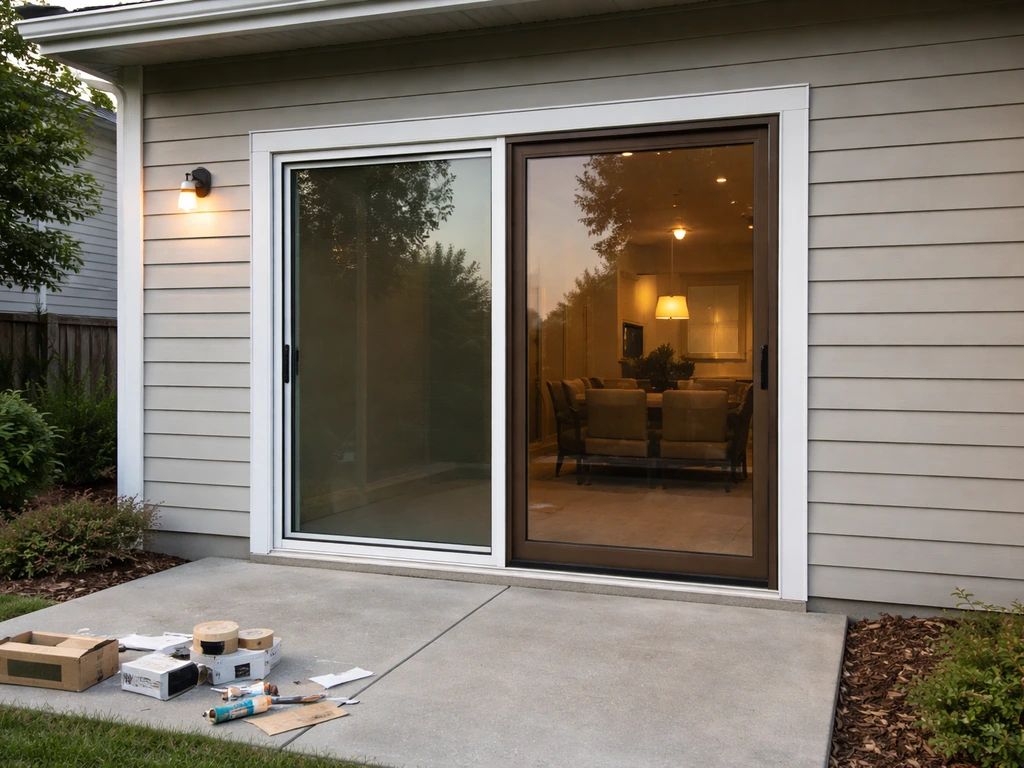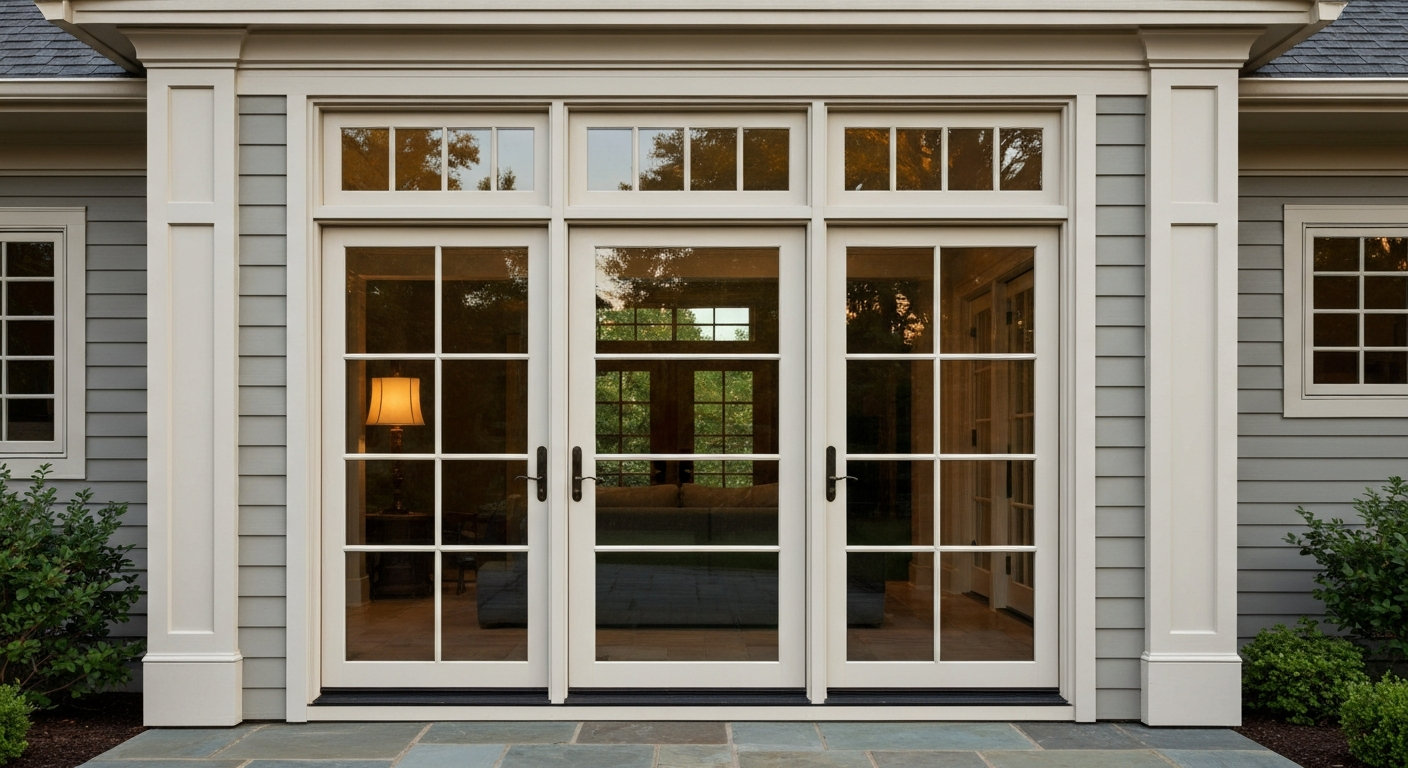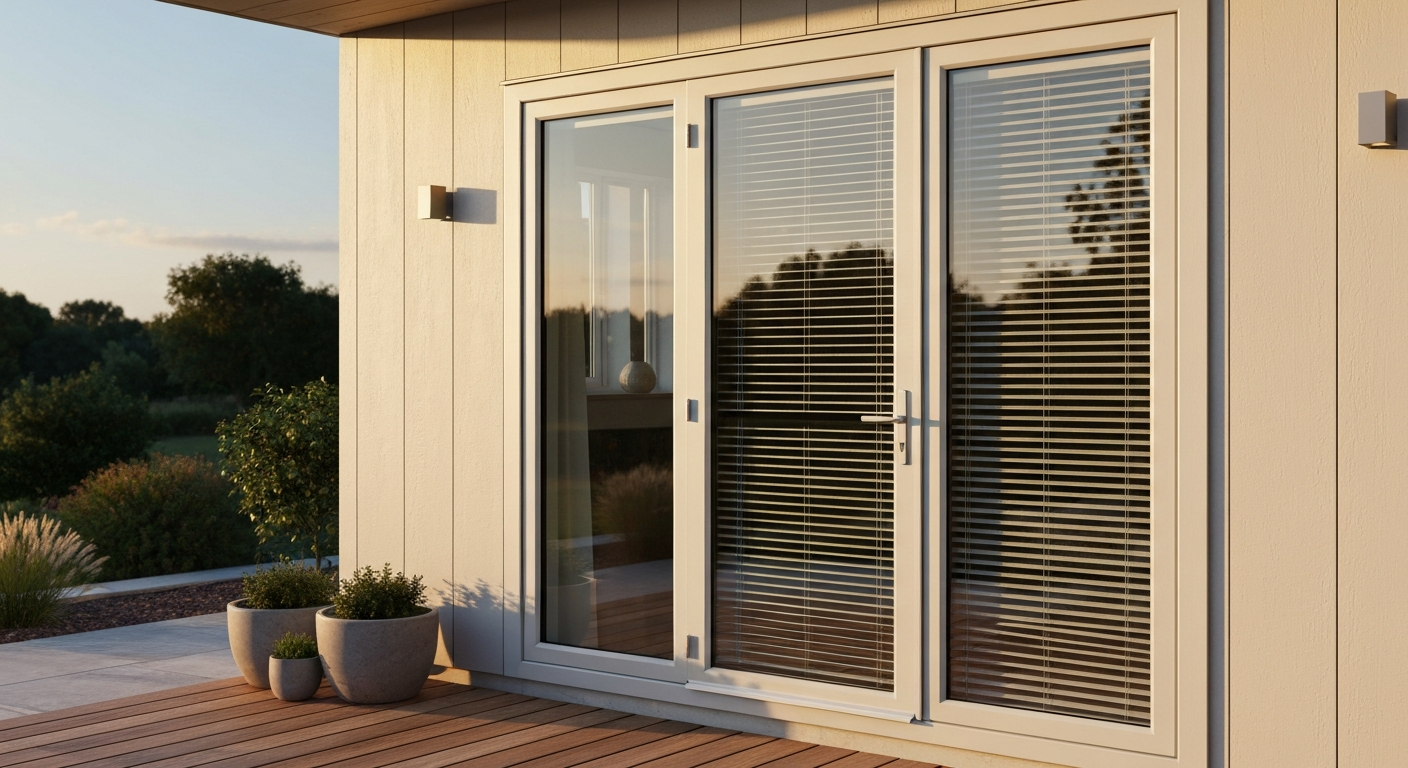
The best price on a patio door is the lowest all-in installed cost for the exact spec your home needs, not the cheapest sticker price on a door sitting in a store aisle. For most homeowners replacing a standard sliding patio door, you're looking at a realistic installed range of $1,550 to $6,250 depending on door size, glass package, and labor market. The door itself typically runs $300 to $2,700, with installation and labor adding another $150 to $800 on the low end and significantly more for complex openings. Knowing that split upfront is what lets you shop smart instead of getting surprised at the register or on the final invoice. You can narrow down Marvin patio door costs faster by requesting a total installed quote for the exact size, glass package, and hardware you want how much do marvin patio doors cost.
Best Price on Patio Doors: Sliding Door Cost Guide
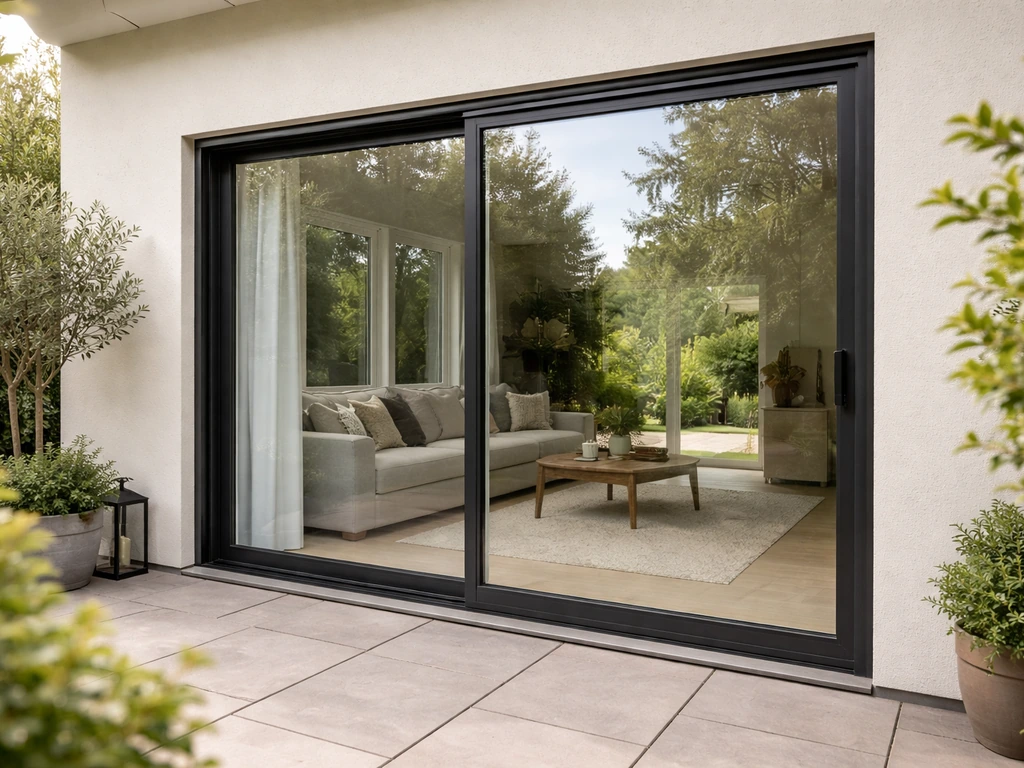
What 'best price' actually means for patio doors
When you're searching for the best price, you need to decide which number you're optimizing for: door-only product cost or total installed cost. These are very different things, and mixing them up is the number one way people make bad buying decisions. A $600 door from a big-box store might end up costing you $2,800 installed if the rough opening needs adjustment, the existing frame is rotted, and the installer charges a premium. Meanwhile, a $1,200 door from a local dealer with bundled installation might come out cheaper in total.
Here's the split you should use as your baseline: door-only product prices generally run $300 to $2,700 for sliding patio doors. Installation and labor adds roughly $150 to $800 for a straightforward swap-out, but the full project (including frame work, waterproofing, and trim) can push the all-in number to $2,500 on average, and well past $6,000 in high-cost regions like Oregon or Montana. HomeAdvisor puts the normal replacement range at $1,550 to $6,250, which tracks with what you'll actually see in the field. Always ask for a total installed price in writing, not a door price plus a vague labor estimate.
Measure and spec your opening before you get a single quote
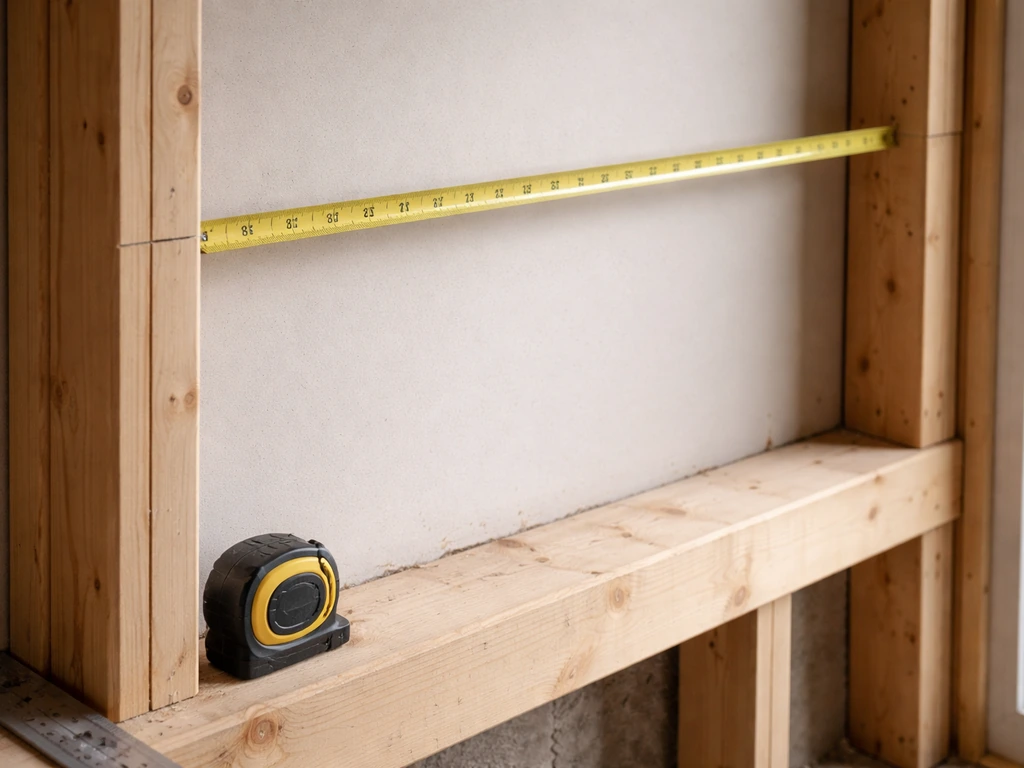
Nothing blows up a budget faster than ordering the wrong size door. If you get quotes before you know your rough opening dimensions, you're essentially asking contractors to guess, and they'll guess high to protect themselves. Home Depot’s patio door installation instructions include steps to determine the rough opening and door frame size, reinforcing that correct RO sizing is part of installation readiness. Get your measurements right first, then shop.
How to measure your rough opening correctly
The rough opening (RO) is the framed hole in the wall before any door frame or casing goes in. You need to measure width and height at multiple points because walls settle and openings aren't always perfectly square. Take width measurements at the top, middle, and bottom of the opening, and height on both sides. Use the smallest measurement in each direction as your working size. For a replacement sliding patio door, the unit height must typically be within 1/4 inch of the existing rough opening height, so precision matters here. Most installations require at least 1/4 inch of clearance on each side of the frame and 1/2 inch above the head jamb to allow for shimming and leveling.
Standard sliding patio doors come in widths of 60 inches, 72 inches, and 96 inches (5-foot, 6-foot, and 8-foot nominal sizes). If your rough opening doesn't match a standard size, you're either trimming down or enlarging the opening, both of which add cost and complexity. Enlarging an opening, in particular, often requires a structural permit and may involve a header upgrade. Know what you have before you start calling dealers.
Other specs you need before quoting
- Frame type: Is your existing frame wood, vinyl, aluminum, or composite? Replacement inserts vs. full-frame replacements are priced differently and require different prep.
- Swing/track direction: Which panel slides and which is fixed? Does the active panel slide left or right when viewed from inside? Get this wrong and the door won't work with your space.
- Wall thickness: Standard is 4.5 inches, but older homes and insulated walls vary. Frame extensions add cost if your wall is thicker.
- Threshold/sill condition: A rotted or uneven sill needs replacement before any new door goes in. This is a common hidden cost.
- Exterior cladding: Stucco, brick, and fiber cement all affect how the door is flashed and sealed, which affects labor time and material cost.
What drives the price on sliding patio doors specifically
Sliding patio doors have more price variables than most homeowners realize. Understanding each one lets you decide where to spend and where to save.
Number of panels
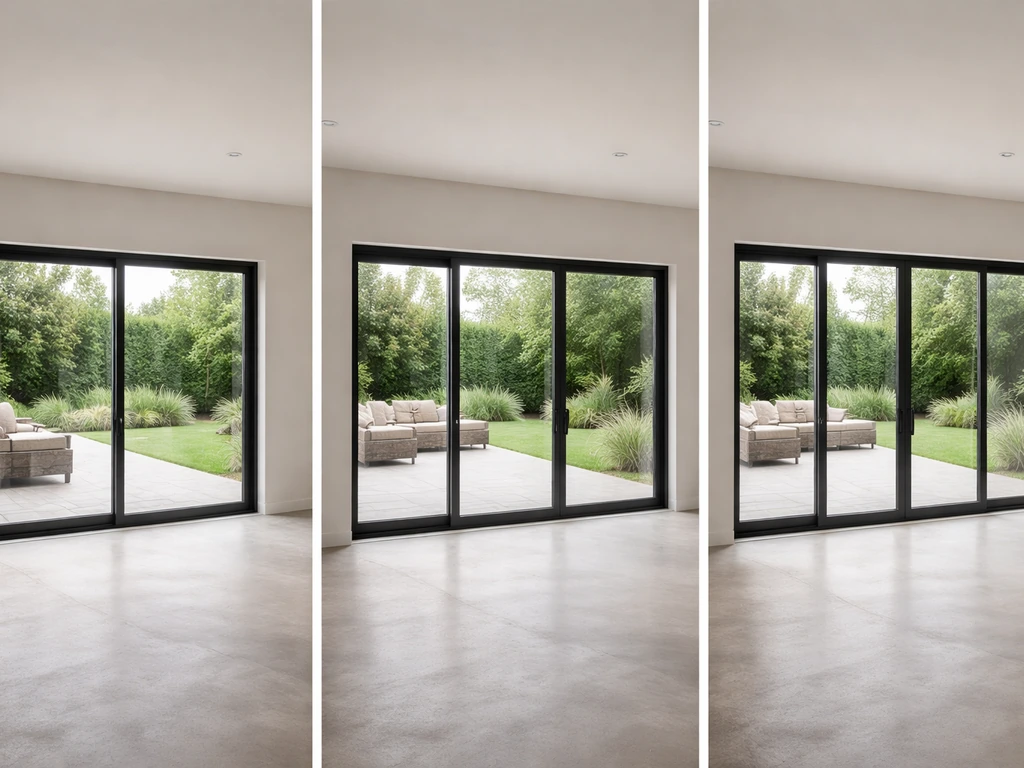
A standard two-panel slider (one fixed, one moving) is your baseline price point. Three-panel and four-panel configurations add material cost significantly, often 40 to 60 percent more than a comparable two-panel unit. More panels also mean more track hardware, more glass, and more installation time. Unless you have a wide opening that genuinely needs three or four panels, stick with two.
Track and roller quality
The track system and rollers are what separate a $500 slider from a $2,000 one in terms of long-term function. Cheap rollers on a stamped steel track will drag and jump within a few years, especially in high-traffic doorways. Better doors use stainless steel or nylon rollers on extruded aluminum tracks, and some premium units have multi-point roller systems that distribute the panel's weight. If you're getting competing quotes, ask specifically what the track and roller material is. It's a fair question and a dealer who can't answer it is a red flag.
Glass package and energy ratings
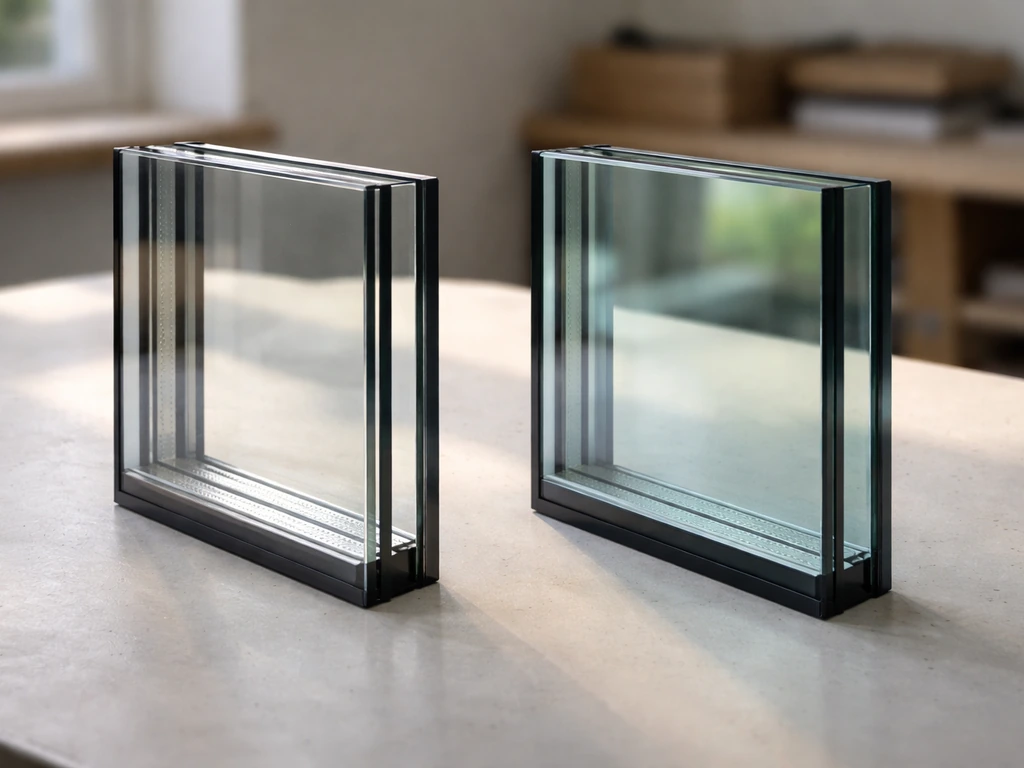
Glass is one of the biggest price levers on a sliding door, and it's also where you can make or lose money over time depending on your climate. The two numbers that matter are U-Factor (how well the door prevents heat transfer, lower is better) and SHGC (Solar Heat Gain Coefficient, how much solar heat enters, lower is better for hot climates, higher can help in cold climates). When you compare glass energy specs like U-Factor and SHGC, use the manufacturer NFRC and ENERGY STAR rating sheet for like-for-like values, such as the example A-Series patio door performance around U-Factor 0.29 (1.65 metric) and SHGC 0.17. For reference, a well-specified Andersen A-Series gliding patio door can hit a U-Factor around 0.29 and SHGC around 0.17. Pella's Encompass vinyl line with SunDefense Low-E glass lands around U-Factor 0.27 to 0.31 and SHGC 0.20 to 0.23 depending on configuration.
A basic double-pane unit without a low-E coating might run $400 to $700 for the glass portion of the door cost. Add argon fill and a named low-E coating and you're adding $100 to $300 more. Triple-pane or specialty solar-control packages can add $400 or more. For most U.S. climates, a quality double-pane argon-fill low-E glass package hits the sweet spot of performance vs. cost. Check ENERGY STAR eligibility on any glass package you're considering, because qualifying doors may be eligible for the federal energy-efficiency home improvement tax credit, which can offset real purchase cost in the year you buy.
Security features and locking hardware
A basic single-point latch is standard and fine for low-security situations. Multi-point locking systems, which engage at two or three points along the door frame when you turn the handle, add $50 to $200 to the door price but meaningfully improve security and resistance to forced entry. Anti-lift pins or blocks (which prevent the panel from being lifted out of the track from outside) are cheap to add, often under $30, and worth doing on any ground-floor installation. If security matters to you, factor these into your spec before getting quotes so you're comparing the same security level.
Screen types
Standard sliding screens are often included in the door package, but retractable screens, solar screens, and pet-resistant mesh screens all cost more and are sometimes quoted separately. A basic sliding fiberglass screen is usually included or adds less than $100. A retractable screen can add $200 to $400. If your contractor is quoting without a screen or with a non-standard screen, make sure you're aware so you can make an accurate comparison.
Frame material and finish
Vinyl is the most affordable frame material and handles moisture well, making it the most common choice for sliding patio doors priced under $1,200. Aluminum frames are slimmer and more contemporary but conduct heat and cold more readily, which hurts energy performance unless they use a thermal break. Fiberglass is the most durable and best at mimicking wood grain, but it pushes door-only costs toward the top of the range. Wood-clad and all-wood frames are the most expensive and require more maintenance. For most homeowners trying to get the best price without sacrificing quality, vinyl or a vinyl-clad composite is the call.
How to compare quotes the right way
Getting three quotes is basic advice. Getting three quotes on the same spec is what actually works. I've seen homeowners compare a vinyl sliding door quote against a fiberglass French door quote and wonder why prices are so different. That's not a comparison, that's apples and oranges. Here's how to make your quotes actually comparable.
Build a spec sheet and share it with every bidder
Before you contact anyone, write down: exact rough opening dimensions, door configuration (e.g., two-panel slider, 6-foot width), frame material preference, glass package requirements (minimum U-Factor and SHGC targets for your climate zone), screen type, hardware finish, and any security features. Hand that same document to every dealer and contractor. If they quote something different, ask them to explain the substitution. This discipline alone will save you from comparing incomparable bids.
The like-for-like comparison table
| Feature to Match | What to Look For | Why It Matters |
|---|---|---|
| Door size and configuration | Same RO width/height, same panel count | Different panel counts change price by 40-60% |
| Frame material | Vinyl vs. vinyl, not vinyl vs. fiberglass | Material changes cost and performance significantly |
| Glass package | Matching U-Factor and SHGC values | Glass is often 30-40% of door cost |
| Included accessories | Screen type, hardware, sill cover | Screens and hardware can vary $100-400 between quotes |
| Warranty terms | Product warranty length, labor warranty | A 10-year vs. lifetime warranty represents real value difference |
| Installation scope | What is and isn't included in labor | Trim, flashing, and disposal vary widely by contractor |
| ENERGY STAR eligibility | Yes/no on qualifying glass package | Affects tax credit eligibility and long-term utility savings |
Warranty and energy rating checks
Ask for the NFRC label values (U-Factor and SHGC) in writing for any door you're considering. Reputable manufacturers publish these on spec sheets and energy rating documents. If a bidder can't provide them, that's a problem. On warranties, compare separately: the product warranty (which covers the door itself), the glass seal warranty (failed seals cause fogging), and the installation warranty (which covers the labor). A door with a lifetime product warranty but a one-year labor warranty from a low-quality installer is not a good deal.
Installation, permits, and hidden costs you need to budget for
The door price is the tip of the iceberg. Most budget surprises come from installation scope items that weren't clearly spelled out in the initial quote. Here's what to watch for.
What a complete installation should include
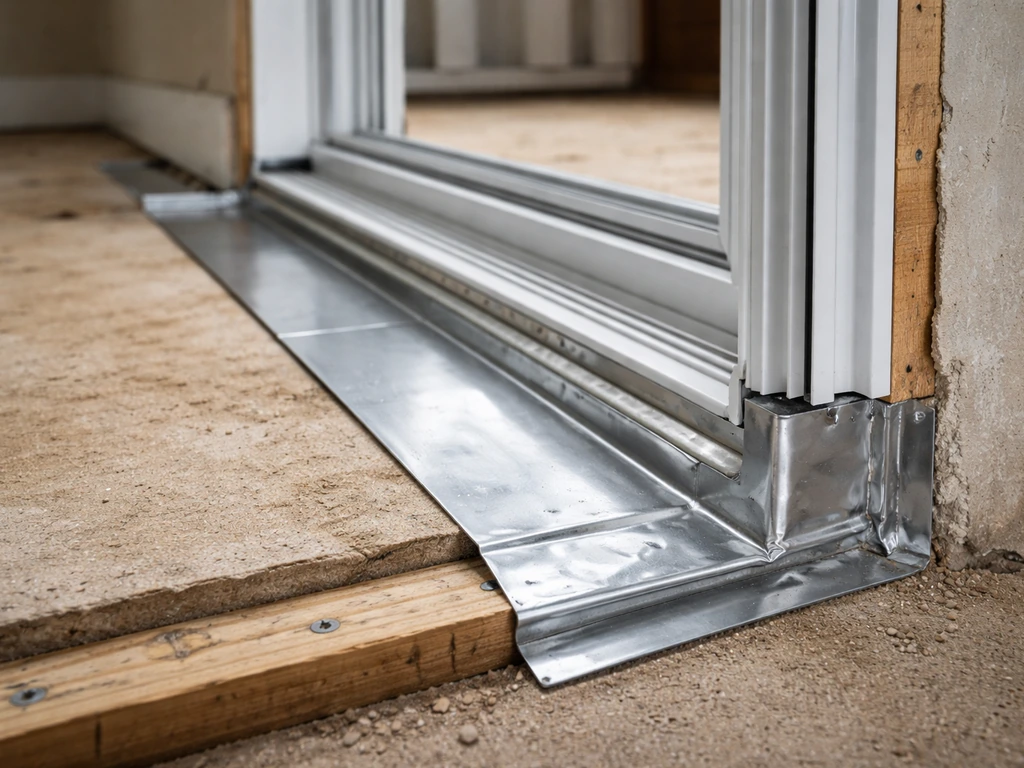
A proper sliding patio door installation involves more than dropping the door into the opening. The rough opening needs to be prepped and leveled. A sill pan (or pan flashing) should be installed at the base of the opening before the door goes in to redirect any water that gets past the threshold. The door frame needs to be shimmed plumb and square. Flashing tape should be applied around the perimeter, integrating with the home's weather-resistant barrier (WRB). Sealant beads go on the exterior and sometimes interior. Interior trim is removed, reinstalled, or replaced. Old door disposal needs to happen. Each of these steps has time and material cost, and not every contractor includes all of them in the base quote.
Permits: when you need them and what they cost
For a straight replacement of an existing patio door in the same opening, many jurisdictions don't require a permit. But if you're enlarging the opening, cutting a new opening, or making any structural change, a building permit is typically required. Permit costs usually run $50 to $200 depending on your city or county, and in some places the permit triggers an inspection, which adds scheduling time to the project. Oregon, for example, requires a structural permit for cutting or widening door openings. Check with your local building department before assuming no permit is needed. An installer who tells you permits are never needed for door work isn't someone you want touching your house.
Hidden costs that commonly surface mid-project
- Rotted framing or sill plate: Common in older homes, adds $200-600 to repair before install
- Missing or inadequate sill pan flashing: Should be included in any quality install; if not, add $50-150 to get it done right
- Interior drywall or plaster patching: If the old frame was larger or differently shaped, drywall work adds $100-300
- Exterior trim mismatch: New door casing may not match existing exterior profile, requiring custom trim or painting
- Haul-away and disposal fees: Not always included; ask explicitly, costs typically $50-100
- Access difficulties: Second-floor or tight-access installations add labor time and cost
How labor costs vary by region
Installation labor varies significantly by geography. Angi data shows all-in replacement costs under $2,000 in some parts of Texas, New York, and Georgia, while the same job in Montana or Oregon can run $6,000 or more. This isn't just a contractor margin issue; it reflects local labor rates, permit complexity, and whether specialized waterproofing is required by local code. When you're budgeting, use your regional average as the baseline, not the national average.
Where to find the best deals and when to buy
Timing and channel choice genuinely affect what you pay for a patio door. Here's how to work the system.
Best times to buy
The patio door sales calendar has predictable peaks. Memorial Day is one of the biggest, with Home Depot running explicit Doors and Windows sale events. Labor Day and late summer promotions are also common as retailers clear inventory before the slow fall season. January and February are typically the weakest demand months for door installation, which gives you negotiating leverage with installers who want to keep crews busy. If you can flex your timing by six to eight weeks, you can often find either a product discount (from retailer promotions) or a labor discount (from installer availability) by playing both windows.
Big-box stores vs. local dealers
Home Depot and Lowe's both carry sliding patio doors and run genuine promotional pricing. Lowe's has offered deals like 20% off both installation labor and product when you purchase and install through them, which is a real saving and worth factoring in. Big-box stores give you transparent shelf pricing and accessible spec sheets, which makes comparison shopping easier. The trade-off is that installation quality through big-box channels is subcontracted and can be inconsistent. Local specialty door dealers typically have better product knowledge, more flexible spec options (especially for non-standard sizes), and more accountability on installation quality, but their base prices may be 10 to 20 percent higher before any negotiation.
Online research and spec sheets
Before you set foot in any store or call any contractor, spend an hour on manufacturer websites. Pella, Andersen, and similar brands publish detailed spec sheets with glass package options, NFRC ratings, and rough opening guides. Downloading these gives you an educated starting point and means you can walk into any conversation knowing exactly what you're asking for. It also lets you verify whether a contractor is quoting what they say they're quoting. If a bid says 'Andersen 200 Series' but the spec sheet shows the glass package doesn't include the low-E you asked for, you'll catch it.
Negotiating and bundling
A few concrete negotiation moves that actually work: ask for a package price if you're replacing more than one door or window at the same time (installers often discount when they can spread mobilization costs across multiple units); ask what happens to the price if you supply the door yourself and they do labor-only (this can save 15 to 25 percent on material markup); and ask directly whether they have any discontinued or builder-inventory doors that fit your opening. Manufacturers and distributors regularly have standard-size units at reduced prices because a builder cancelled an order or a color was discontinued. It's worth asking. On the tax credit side, if your new door qualifies under the federal energy-efficiency home improvement credit (covering certain ENERGY STAR-certified exterior doors), you can claim a credit of up to $250 per door ($500 total for all exterior doors) in the tax year you purchase and install it. That's not a giant number, but it's real money off your net cost, and it's worth confirming eligibility before you finalize your spec.
Your checklist to lock in the best deal
Use this as your decision worksheet before you commit to any quote. If you can check every item, you're in a good position to know whether the price in front of you is actually the best available for your situation.
- Measure your rough opening at three points in both directions; confirm your RO is within 1/4 inch tolerance for your target door unit height
- Identify your exact spec: door width, configuration (two-panel vs. three-panel), frame material, glass package with target U-Factor and SHGC, screen type, and hardware finish
- Get at least three quotes, each based on the same written spec sheet
- Confirm each quote includes sill pan flashing, shimming, perimeter sealing, and interior/exterior trim work, or get a separate line item for each
- Ask for the NFRC label values (U-Factor and SHGC) in writing for the specific door and glass package being quoted
- Verify whether a permit is required in your jurisdiction for this specific project scope
- Check whether the door's glass package qualifies for the federal energy-efficiency home improvement tax credit
- Compare warranty terms side by side: product, glass seal, and installation labor warranties for each bid
- Check the timing: is there an active retailer or manufacturer promotion running that could reduce the price?
- Ask each bidder for their best bundled or package price, and whether any builder-inventory or discontinued units fit your opening
- Calculate your total installed cost including door, labor, permit, any frame or sill repairs, and disposal, then compare across bids on that number only
Once you've run through that list, the best price becomes clear because you're comparing real numbers for the same thing. The door styles covered here, sliding patio doors in particular, have the most variables in this comparison process. French doors and bifold doors have their own pricing drivers and are worth their own look if you're still deciding on style. If you’re comparing bifold patio doors, the big drivers are the panel count, glass package, and the amount of labor needed to fit the opening bifold doors. If you’re specifically researching how much French patio doors cost, look at the same cost drivers like size, panel configuration, glass package, and installation scope how much do French patio doors cost. Bifold patio doors are priced differently from sliding styles, so it helps to review how much they cost and what drives that total installed price. But if a sliding door is your direction, this checklist gets you to a confident decision with no ugly surprises after the installer leaves.
FAQ
If I buy the door myself, can I still get the best price on patio doors without risking bad installation?
Yes, but only if the quote is “total installed” and includes the same scope items (sill pan or pan flashing, flashing tape integration with the WRB, interior trim work, and disposal). If you see separate line items like “door material” and “miscellaneous labor,” ask for a written breakdown, because omissions in waterproofing and flashing are where “cheap” turns into expensive.
Why do some quotes that match my door size still end up costing more?
Treat “rough opening” and “unit size” as different measurements. The finished frame size (and whether it’s a replacement insert versus a full frame replacement) can change what’s actually needed, so confirm in writing whether the installer is replacing only the sliding unit or also swapping the frame and threshold.
What should I ask for to make sure the glass specs are truly comparable across quotes?
Ask the installer to list the exact glass package (low-E type and whether it includes argon) and provide the NFRC U-Factor and SHGC for that exact model configuration. Generic “double pane with low-E” wording is often not enough, and it can mask a less efficient glass option.
How can I tell whether two patio door quotes are comparing the same quality, not just the same appearance?
A common gotcha is the track and roller hardware being described generically. Request the track and roller material (for example, extruded aluminum track, stainless or nylon rollers) and whether rollers are included under warranty. Otherwise you can end up comparing a cheaper hardware package with better-performing glass.
Do the “best price on patio doors” picks change in storm-prone or coastal areas?
If you are in a high-wind or hurricane-prone area, ask whether the door is impact-rated and whether hardware meets local requirements. Even if the door has good U-Factor, the best price for your region is the one that satisfies impact or design-pressure standards, which can add cost but avoids code and insurance problems.
What installation checks should I insist on to prevent future sliding issues?
For retrofit replacements, ask whether the installer will inspect and adjust the existing threshold for drainage, and whether they’ll verify the floor is level before setting the sill pan. If the track won’t run level, you can get long-term problems like dragging panels even when the door itself is high quality.
My contractor says permits are usually not needed, when should I worry?
It can be, especially if your project touches the structure (widening the opening, new header, removing load-bearing elements) or if local code requires an inspection. Instead of asking “Is a permit required?” ask “What permits will you pull, for what scope, and will you schedule inspections?” in writing.
When I replace multiple doors, how do I make sure the bundle discount is real and not marketing?
If you have more than one door or window being replaced, request a single labor line item that covers mobilization and cleanup across all units. Bundling can reduce total labor, but only if the quote states that the additional doors do not require separate trips for measure, waterproofing, or disposal.
How do I handle the federal energy-efficiency tax credit so I do not lose the benefit?
Yes, if you plan to do it in a tax-credit-eligible way. Confirm the door and glass meet the energy-efficiency requirements for the federal credit and that you will have documentation after installation (invoice and manufacturer data). If you buy in one year and install in another, your claim timing can shift.
What small line items most often cause budget surprises on patio door projects?
Budget-wise, don’t rely only on “door only” pricing. Ask for a line item that explicitly states whether interior casing/trim is removed and reinstalled or replaced, and whether old door disposal is included. Those items commonly vary by $200 to $800.
How do I know whether my rough opening will require trimming or reframing before ordering?
If your rough opening is close to a nominal size but not exact, ask whether the contractor will use shims only or if trimming, reframing, or structural work will be needed. Quotes based on “assumed fit” can jump later when the opening is out of spec.
Do security upgrades affect best price on patio doors, and how should I compare them?
In some regions, local codes or insurance underwriting can require specific security features beyond “standard latch.” Ask whether the door includes anti-lift pins, multi-point locking, and any certification needed for exterior entry doors, and then keep those features consistent across all bids.