Rescreening a patio door costs $80–$200 for most professional jobs in 2026, with the typical sweet spot landing around $100–$150 for a standard sliding screen door. If you go the DIY route, you're looking at $30–$60 in materials. The big variable is whether you're replacing mesh only or also dealing with a damaged frame, worn spline, broken lift tabs, or track issues, because those extras can push a pro job up to $300 or more.
How Much Does It Cost to Rescreen a Patio Door?

Owen Delaney
8 Jul 2026
Average rescreen cost ranges
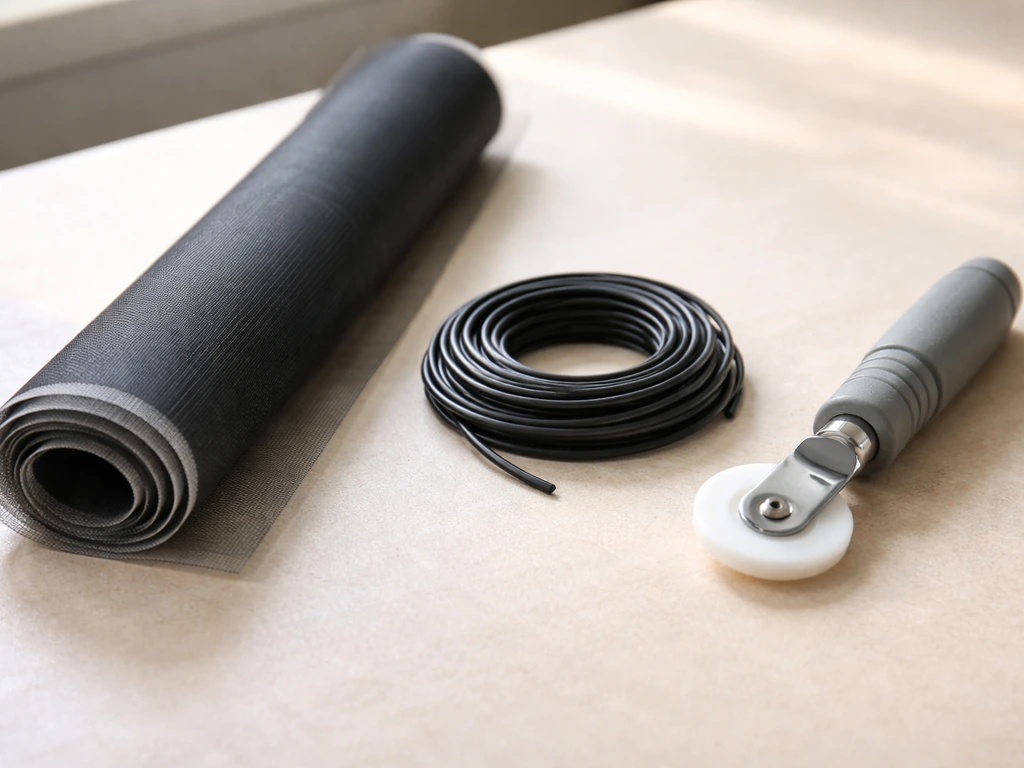
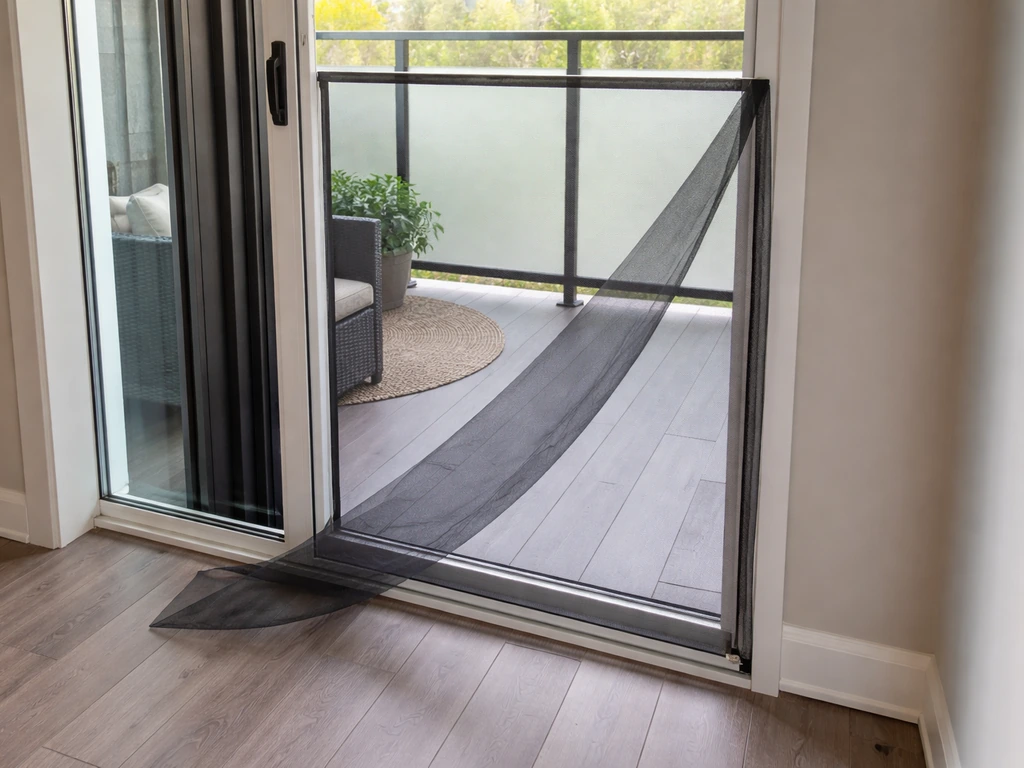
Here's how the numbers break down across the most common scenarios. A mobile screen shop with a flat-rate model might charge you $80 for a standard sliding or swinging screen door, including new spline and lift tabs. A full-service window and door company will often quote $100–$200, depending on your door size and the mesh type you choose. If you're dealing with a larger custom slider, a heavier-duty mesh like solar screen, or a frame that needs some TLC, that range stretches toward $200–$350.
| Scenario | Typical Cost | Notes |
|---|---|---|
| DIY mesh + spline + roller tool | $30–$60 | Materials only; your labor is free |
| Mobile screen shop (flat rate) | $80 | Includes spline and lift tab replacement |
| Standard pro rescreen (sliding door) | $100–$150 | Most common quote range |
| Larger door or specialty mesh | $150–$200 | Solar screen, pet-resistant, or oversized doors |
| Pro rescreen with frame/track repairs | $200–$350+ | Damaged frame channels, bent track, hardware issues |
| Full sliding screen door replacement | $350–$2,090 | When rescreening is no longer practical |
One important distinction worth flagging: rescreening the mesh in your existing screen door frame is very different from replacing the entire screen door unit, and it's dramatically cheaper. blank" rel="noopener noreferrer">A full sliding screen door replacement can run $350–$2,090 installed, and a complete patio door replacement is a totally different ballgame (think $1,550–$6,250 or more). A patio door replacement usually costs much more than a rescreen, so make sure you are comparing like for like when you get quotes complete patio door replacement. If your frame is still solid, a rescreen is almost always the right call first.
What drives the price up (or down)
Door size
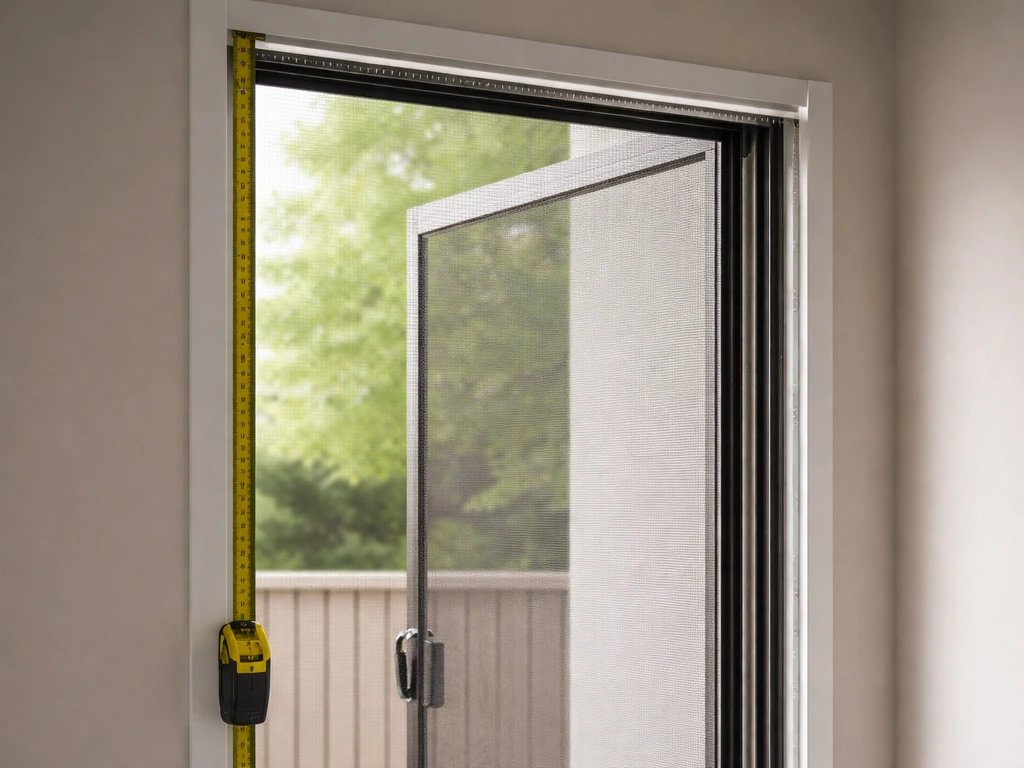
A standard sliding patio screen door is typically around 80 inches tall and 36 inches wide. That's what most shops price their base rate around. If your door is oversized, say a wider panel for a wide-format slider or a taller door for a high-ceiling installation, expect to pay more because you're using more screen material and the job takes longer. Always confirm your dimensions before getting a quote. If you’re pricing a full patio door replacement instead of just the screen, the cost can be very different, so get an itemized quote that includes the door and installation.
Screen mesh type
Standard fiberglass mesh (18x14 weave, meaning 18 wires per inch horizontally and 14 vertically) is the cheapest and most common option. It's what most shops use unless you ask for something else. Step up to solar screen and you'll pay more for material, but you get over 75% UV protection, which is genuinely useful on a west- or south-facing patio. Pet-resistant screen is thicker and more tear-resistant, and it costs more too. The mesh upgrade alone can add $20–$60 to a pro job.
Frame condition and extras
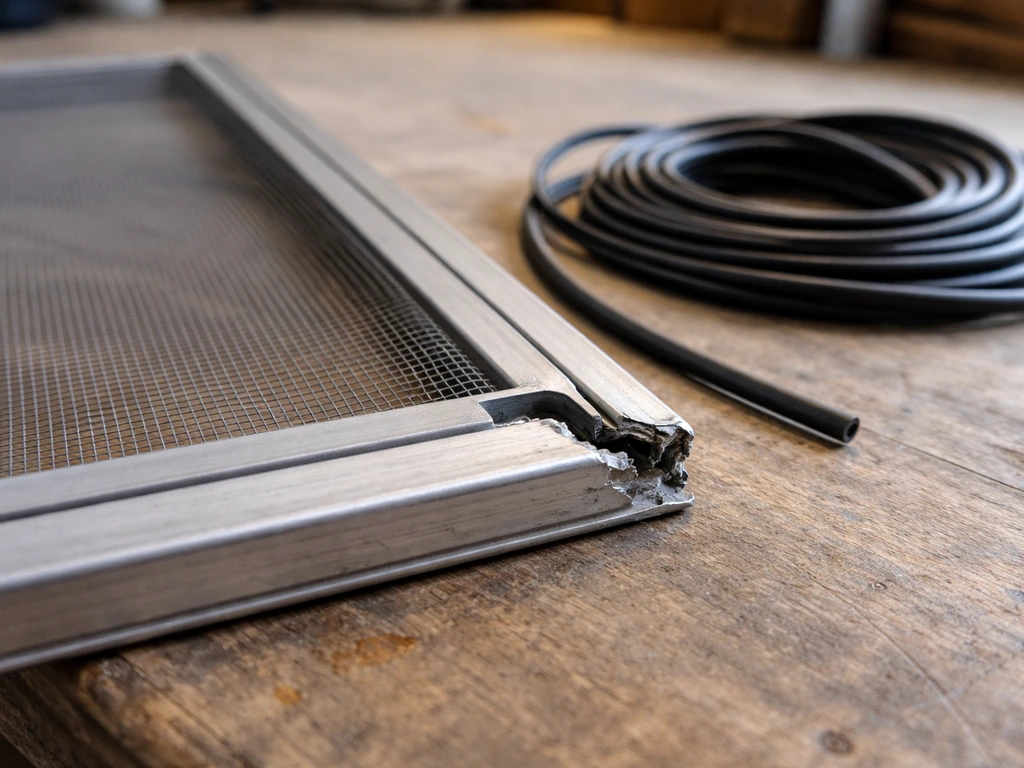
This is where costs quietly sneak up. The spline (the rubber cord that presses the mesh into the channel groove around the frame) often needs replacing too. Spline comes in multiple diameters: 0.125, 0.140, 0.160, 0.175, 0.190, 0.210, and 0.220 inch are all common sizes, plus flat spline at 5/16 inch. Using the wrong diameter is one of the most common DIY mistakes and a reason screens pop out of the channel. Parts like spline, lift tabs, and rollers are usually $15–$40 per door, and most shops bundle these into a flat rescreen price. If your frame channel is bent or cracked, that repair is separate and will add to the bill.
Labor rates and location
Labor is the biggest chunk of a pro rescreen quote. A local mobile screen shop will often be cheaper than a full-service glass and door company because their overhead is lower. Rates also vary by region: Florida, California, and other high-demand markets tend to run toward the higher end of the range. Getting two or three quotes from local screen shops and window repair companies is the fastest way to find realistic pricing in your area.
DIY vs. hiring a pro: which makes sense for you
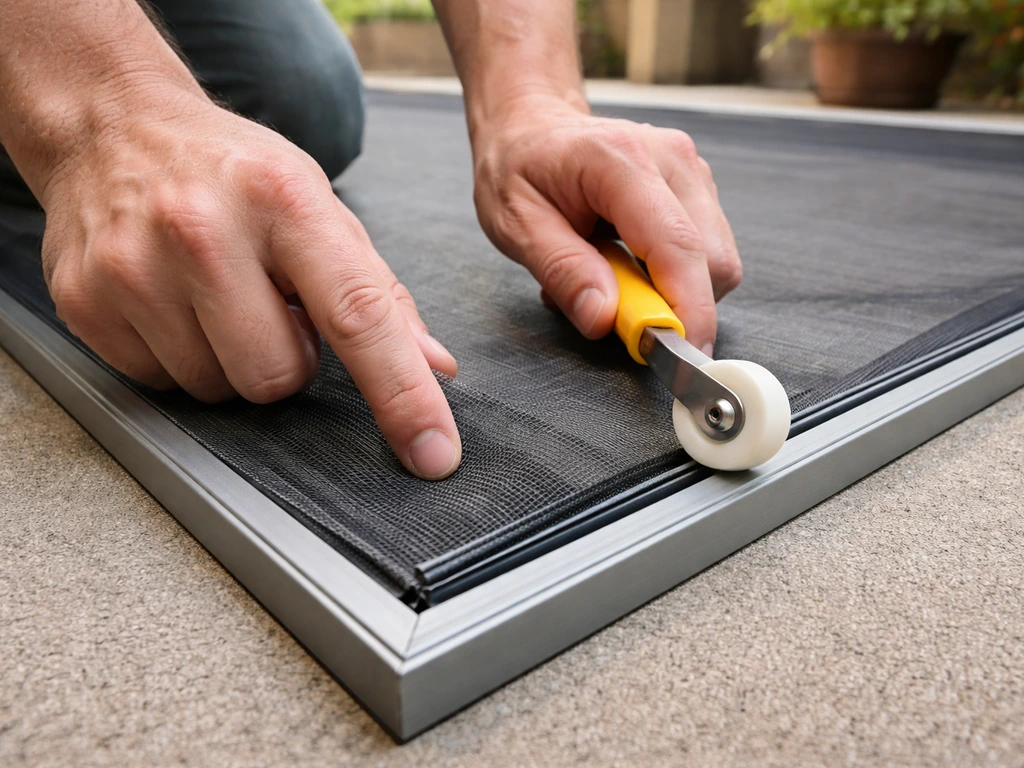
DIY rescreening is genuinely beginner-friendly if your frame is in good shape. The total material cost is $30–$60: a roll of fiberglass mesh (buy a little more than you need), a length of spline in the correct diameter for your frame, and a spline roller tool to press everything in. The roller is the key tool most beginners skip, and it's what makes the difference between a clean install and a screen that pops out in a week. Watch one video, set aside an hour, and most homeowners can do this themselves.
That said, there are good reasons to hire a pro. If your spline channel is damaged, your frame is bent, your rollers are shot, or you're not confident measuring and cutting mesh without wasting the roll, a pro is worth the $80–$150. Mobile screen shops often come to you, turn the job around same day, and include parts like spline and lift tabs in their flat rate. For a $100 job, you're buying time and confidence that it's done right.
| Factor | DIY | Hire a Pro |
|---|---|---|
| Total cost | $30–$60 materials only | $80–$200 (most jobs) |
| Time required | 1–2 hours | 30–60 minutes (they come to you) |
| Tools needed | Spline roller, utility knife, tape measure | None from you |
| Best when... | Frame is intact, spline channel is clean | Frame issues, no tools, want it guaranteed |
| Risk | Wrong spline size, uneven tension | Very low if shop has good reviews |
How to measure and pick the right screen mesh
Before you buy materials or call for a quote, get your measurements right. Measure the inside edge of the screen frame opening, not the glass or the door frame itself. That means measuring the actual opening where the screen mesh sits, from the inner edge of the channel on one side to the inner edge on the opposite side. Do this for both width and height, then subtract 1/8 inch from each measurement to allow for proper fit and a little room to work the spline in.
You also need to measure the channel depth (the groove the spline sits in) to find the right spline diameter. Use a caliper if you have one, or take a small section of your old spline to a hardware store and match it up. Getting this wrong is the number one reason DIY rescreens fail: a spline that's too thin won't hold the mesh, and one that's too thick won't seat in the channel properly.
For mesh choice: standard fiberglass 18x14 is fine for most situations and the cheapest option. A standard patio door price depends on whether you’re replacing just the door slab or the frame, as well as the material and hardware you choose standard patio door cost. Go with solar screen if you want UV and heat reduction on a sun-facing patio. Choose pet-resistant (also called pet-proof or super screen) if you have dogs or cats that lean on or paw at the door. Just confirm the mesh width you order is wider than your door opening so you have material to work with at the edges.
- Measure the inside width of the screen frame channel (not the door frame), then subtract 1/8 inch.
- Measure the inside height the same way, subtracting 1/8 inch.
- Measure or match your channel groove depth to select the correct spline diameter.
- Choose your mesh type: standard fiberglass (18x14), solar screen, or pet-resistant.
- Buy mesh at least 2 inches wider and taller than your measured opening so you have overlap to grip while rolling in the spline.
- Buy slightly more spline than your door perimeter measurement to avoid running short mid-job.
Turnaround time and scheduling
A straightforward mesh-only rescreen is usually a same-day or next-day job. Mobile screen shops often come to your home, do the work on-site in under an hour, and you're done. If you're ordering through a larger window and door company, they may take the screen door panel with them and return it within a few days. Some shops run higher demand during late spring and early summer (right when everyone realizes their screen is torn after winter), so if you're scheduling in May or June, book a few days ahead.
If your job involves more than just the mesh, such as frame repair, track alignment, or custom-ordered mesh in a specialty material, the timeline extends. Frame repairs may require sourcing specific parts, and specialty mesh like solar screen or Andersen-compatible insect screen replacements may need to be ordered. Andersen, for example, sells brand-specific insect screen rescreening kits for their gliding and hinged patio door series (A-Series, 400 Series, 200 Series), so if you have a branded door, confirm compatibility before ordering generic materials. If you have an Andersen patio door, the renewal cost can vary based on whether you need mesh-only replacement or additional frame and hardware work Andersen patio door renewal cost.
Extra costs to budget for beyond the mesh
The rescreen quote covers labor and mesh, but there are a handful of add-ons that come up often enough that you should ask about them upfront. Most of these are small individually, but they can add $50–$150 to your total if several are needed at once.
- Spline replacement: Often included in flat-rate shop quotes, but confirm. New spline is $5–$15 in materials.
- Lift tabs and rollers: The small plastic tabs at the bottom of a sliding screen door and the rollers in the track wear out. Andersen and other brands sell replacement roller and spring assemblies specifically for their patio door gliding insect screens. Parts typically run $15–$40.
- Track cleaning or repair: A bent or dirty track makes even a perfect rescreen job annoying to use. Track cleaning is usually quick; a bent aluminum track section may need to be replaced.
- Frame channel damage: If the groove that holds the spline is cracked or deformed, the mesh won't stay in. Minor damage can sometimes be pressed back into shape; major damage means a new frame.
- Alignment rework: If a sliding screen door is off its track or sagging, the door needs to be adjusted before rescreening. A pro will usually catch this and quote it separately.
- Premium mesh upgrade: Stepping up from standard fiberglass to solar or pet-resistant mesh typically adds $20–$60 to a pro job.
- Second door: If you have a two-panel sliding door setup with two screen panels, price accordingly. Most shops will give a small discount for the second panel since they're already on-site.
Your budgeting framework and next steps
Here's a quick way to estimate your total before you call anyone. Start with the base rescreen cost ($80–$150 for most pro jobs, $30–$60 DIY). Then add for mesh upgrade if applicable ($20–$60), hardware replacements like rollers or lift tabs ($15–$40), and any frame or track work if your door is already giving you trouble ($50–$100+). For a typical single sliding screen door in decent shape, most homeowners land somewhere between $80–$150 with a pro, or $35–$55 if they DIY it.
To get started: measure your screen frame opening (inside dimensions, subtract 1/8 inch each direction), check your spline channel depth, and decide on mesh type. Then get two or three quotes from local screen shops, asking each one specifically whether their price includes spline, lift tabs, and basic hardware. If you're comfortable with a utility knife and a spline roller, the DIY route is legitimately easy and saves you $60–$100. If your door already has issues with rolling, alignment, or a damaged frame, get a pro quote first so you know the full scope before you start.
One last thing worth knowing: if your screen door frame itself is beyond saving, or if your whole sliding patio door system needs work, rescreening becomes the wrong conversation. Replacing just the screen door unit or upgrading the entire patio door system are both bigger projects with much higher price tags, but they're separate decisions from a basic rescreen. Examples from local patio screen providers show how pricing can be itemized, such as charging separately for patio screen rescreening with premium materials and for patio door replacement blank" rel="noopener noreferrer">Replacing just the screen door unit or upgrading the entire patio door system. A full patio door installation is usually a much bigger project than a rescreen, with higher labor and parts costs patio door system needs work. A simple mesh replacement is one of the cheapest home repairs you can make, so it's always worth doing before assuming you need something more involved.
FAQ
Is the cost to rescreen a patio door higher if I want a different mesh type than what I have now?
Often, yes. Changing mesh type usually changes both material price and how the shop handles it (for example, solar or pet-resistant). Ask whether they are replacing spline as well, since heavier mesh can require different handling and fit checks.
What’s included in most quotes, and what should I confirm before paying?
Confirm whether the quote includes spline replacement, lift tabs, rollers, and any basic frame inspection or minor channel cleanup. If they only quote “mesh,” you may still pay separately for spline diameter corrections, hardware wear parts, or small frame straightening.
How can I tell whether I actually need rescreening or a full screen door replacement?
If the frame is warped, the rollers wobble, the track is binding, or the channel is cracked or bent, a rescreen may not hold up. A common sign is repeated spline pop-out or a screen that won’t stay seated, even after re-tensioning.
Does it matter if the patio door is sliding versus hinged?
Yes, quotes differ because hinged screens can have different hardware and attachment points. Make sure you specify the screen style (sliding or hinged) and whether the job is the screen panel only or the entire unit with the frame and moving parts.
Why do DIY rescreens fail, even when the measurements seem right?
Most failures come from spline diameter mismatch, inadequate spline seating, and cutting mesh too short so it cannot overlap and sit firmly. Another frequent issue is not using enough material at the edges, which can leave gaps that let the screen loosen.
How much should I budget for parts if I do it myself?
Beyond mesh, plan for the correct spline length and a spline roller tool, and budget a small cushion for mistakes (buy slightly more mesh than the opening). If your lift tabs or rollers are already rough, consider replacing them at the same time to avoid redoing work shortly after.
Will rescreening solve poor rolling or alignment problems?
Not usually. Rescreening only addresses the mesh, not track alignment, roller wear, or frame racking. If the door drags, jumps a track, or doesn’t roll smoothly, get a pro quote that includes hardware and alignment evaluation.
How long does a rescreen typically take, and when should I book ahead?
Simple mesh-only jobs are often same-day with mobile shops, but specialty mesh and branded-system compatibility (certain manufacturer kits) can add a few days. If you’re scheduling in late spring or early summer, book ahead because demand spikes when screens are noticed after winter.
Does solar screen or pet-resistant screen change the price significantly?
It can. The mesh upgrade alone often adds to the total, and there may be additional labor if the shop must manage a tighter fit or thicker material. Ask for the mesh price difference and whether the same spline and hardware are recommended.
What’s the best way to measure the opening so the screen fits?
Measure the inner opening where the screen frame channel sits, then subtract a small clearance (commonly about 1/8 inch per dimension) to allow proper seating. Also measure channel depth to match spline diameter, since spline that’s too thin or too thick prevents a secure seal.
If my screen frame is damaged, do I get charged separately for repair?
Typically, yes. Frame channel bending, cracked sections, or track issues are often billed as separate line items, especially if parts must be sourced. Ask for an “as-needed” estimate range for frame repair before work begins so you can plan the total cost.
Should I rescreen the current frame or consider a warranty or branded kit if my door is a specific brand?
If your patio door uses a brand-specific system, generic mesh and spline may not match perfectly. Ask whether the shop can confirm compatibility with your model and whether they use manufacturer-compatible kits, especially if you have an Andersen or similarly branded door.