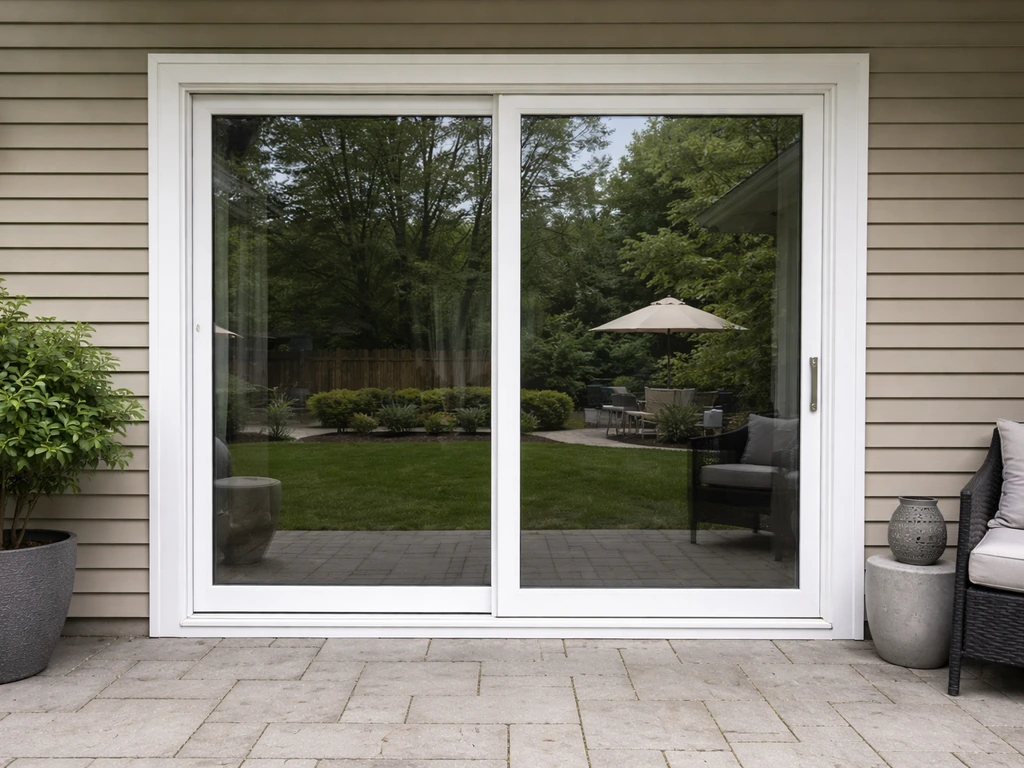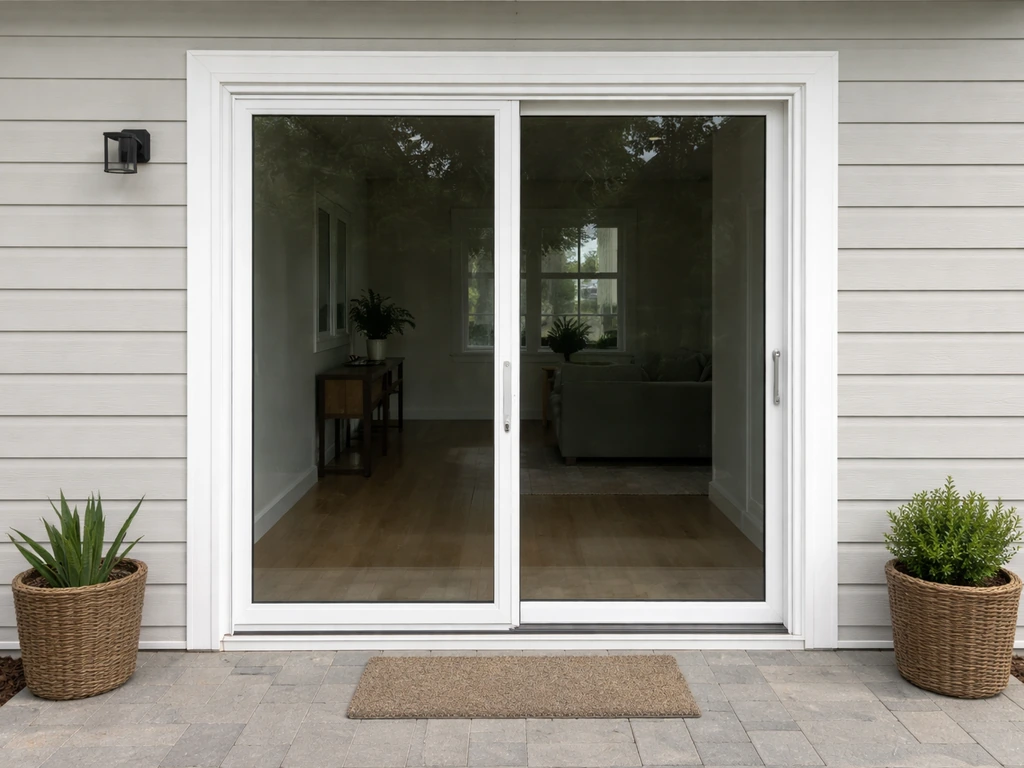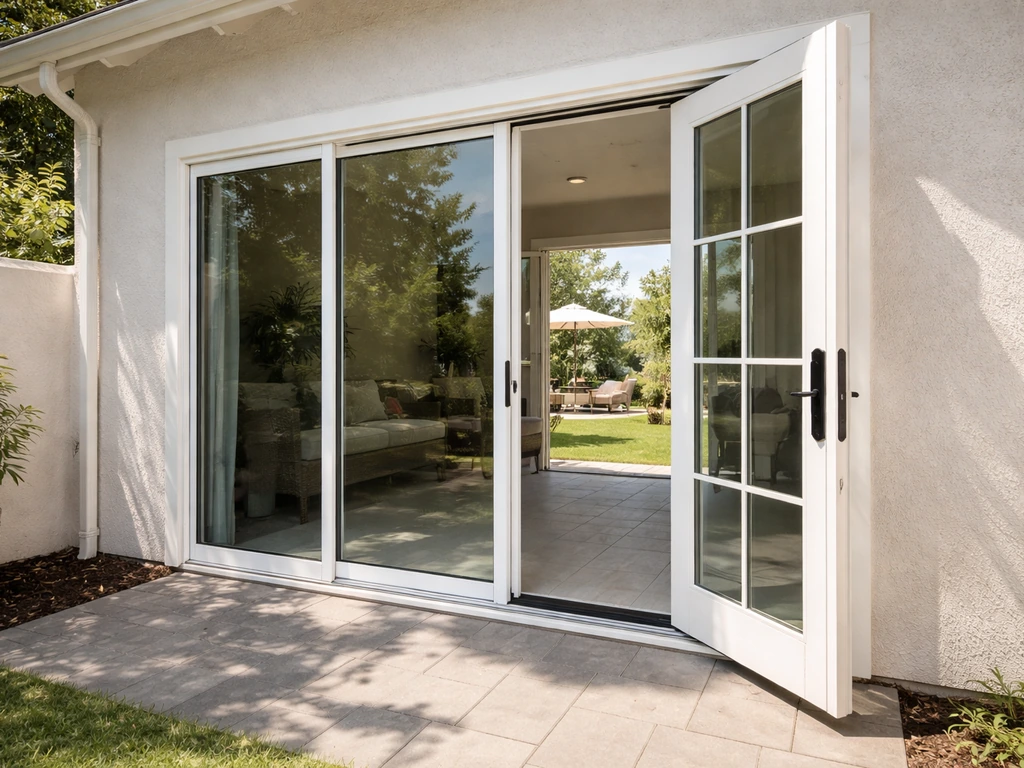
Pella patio doors typically cost between $1,000 and $6,000 for the door itself, and once you add professional installation you're usually looking at a total of $1,500 to $10,000 or more depending on the door style, size, glass package, and what your existing opening needs. Sliding doors sit at the lower end, French doors land in the middle, and bifold or multi-slide configurations push toward the top. Pella doesn't publish a universal price list, most configurations require a quote from a Pella dealer or Pella Certified Contractor, but those ranges give you a realistic anchor before you walk into a showroom.
How Much Are Pella Patio Doors Cost and Pricing Guide
Owen Delaney
3 Jun 2026
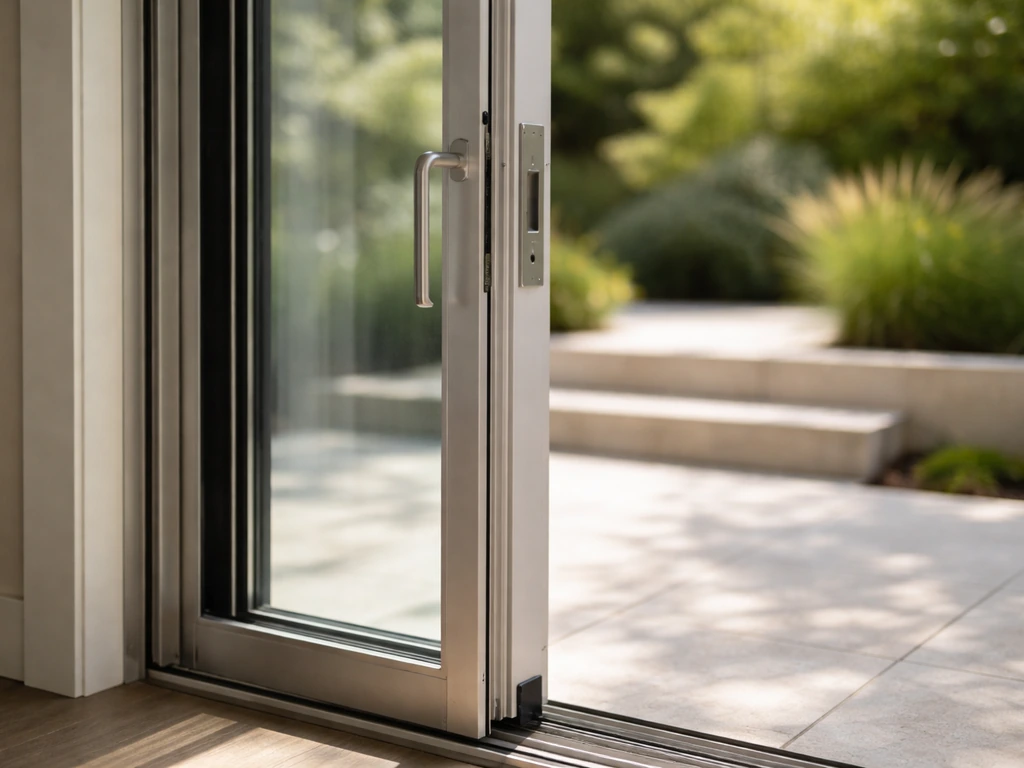
Typical Pella patio door price ranges

Pella makes patio doors across several product series, and the series you choose has the biggest single effect on price. Entry-level vinyl lines like the 250 Series are the most affordable. Mid-range fiberglass and wood-clad options step up considerably. Premium or custom configurations, especially in the Lifestyle Series or Architect Series, can reach well into the five-figure range for the door unit alone.
| Pella Series / Type | Estimated Door-Only Price | Notes |
|---|---|---|
| 250 Series (vinyl sliding) | $1,000 – $3,000 | Most affordable entry point; pricing requires rep quote |
| Impervia / fiberglass sliding | $2,000 – $5,000 | Strong durability, mid-range price |
| Lifestyle Series (wood/clad French or sliding) | $3,000 – $8,000+ | Some online pricing shown; configurations vary widely |
| Architect Series (custom/premium) | $5,000 – $12,000+ | Fully custom; always requires dealer consultation |
| Bifold / multi-slide (any series) | $4,000 – $15,000+ | Panel count and size drive cost sharply upward |
For installed totals, industry benchmarks help fill the gap. HomeAdvisor puts the average patio door replacement at about $2,500, with most homeowners spending between $1,550 and $6,250. This Old House reports sliding glass door installation ranging from $600 to $10,000. Bifold doors installed by a contractor commonly run $5,000 to $20,000 according to HomeGuide. Those numbers aren't Pella-specific, but they reflect the realistic installed cost spectrum once labor and site work are factored in, and they match what I've seen homeowners actually pay when they go through the full process. Before you shop, it helps to estimate how much it costs to fit a patio door by factoring size, frame material, glass package, and installation complexity how much to fit a patio door.
What drives the cost up (or down)
The sticker price on a Pella patio door is really the starting point of a longer equation. Several variables can add hundreds or thousands of dollars, or, if you choose wisely, keep the total manageable.
Size and panel count
A standard 6-foot wide, 6-foot 8-inch tall two-panel sliding door is the baseline. Once you go to a three-panel or four-panel configuration, or push the height to 8 feet (common in newer construction), the price climbs meaningfully. Pella's 250 Series bifold doors, for example, are commonly specified at 12 x 8 feet or 16 x 8 feet, those are large openings that require more glass, more hardware, and significantly more installation labor.
Frame material
Vinyl is the most affordable and lowest maintenance. Fiberglass costs more upfront but handles temperature extremes better than vinyl and doesn't warp or rot. Wood or wood-clad options offer the best aesthetics inside but require periodic finishing and carry a higher price tag. If you're in a humid climate or a coastal area, fiberglass is usually the better long-term value even if it costs more now.
Glass package
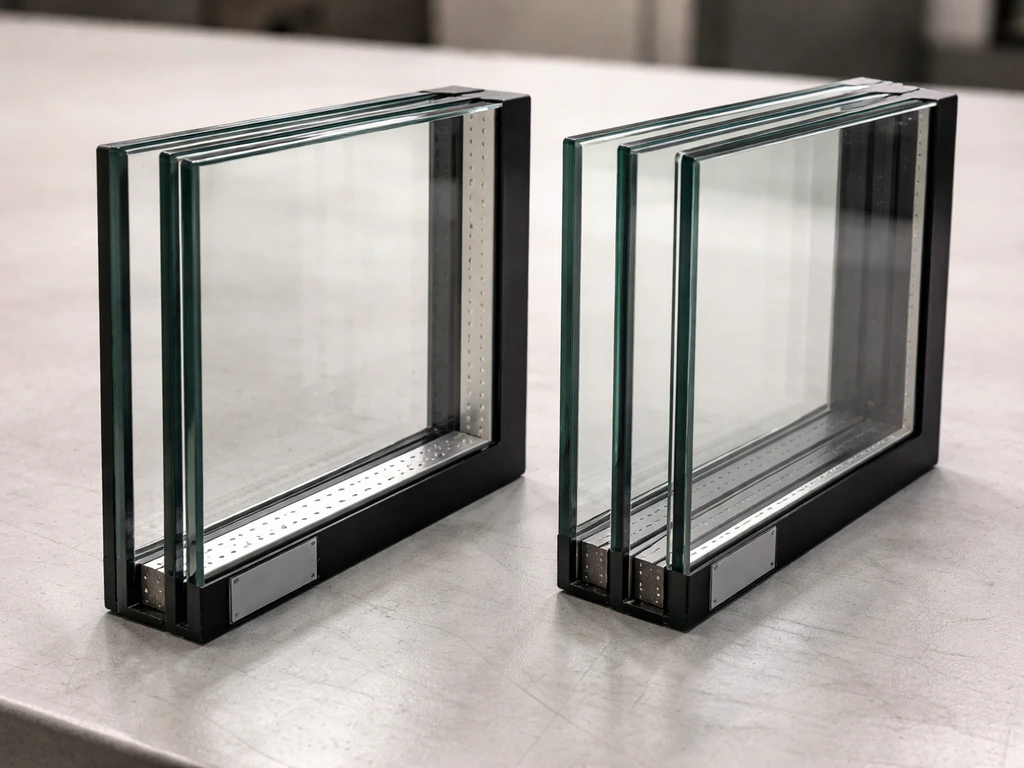
This is where a lot of people leave money on the table, or overspend without realizing it. Pella's 250 Series offers dual-pane and triple-pane options, including SunDefense Low-E insulating glass that reduces solar heat gain while keeping visible light high. Pella's InsulShield glass collection sits at the premium end. If you're in a hot climate, prioritize a low SHGC (solar heat gain coefficient). In a cold climate, focus on the U-factor. Impact-resistant glass for hurricane zones is a major price multiplier, it exists across Pella's lineup but should be quoted explicitly because it can add 20 to 40 percent over standard glass.
Options and add-ons
Pella offers between-the-glass blinds as an integrated option on select series, they're built into the door unit itself, so they stay clean and can't be damaged by pets or kids. It's a real convenience upgrade, but it adds to the purchase price. Screens are not always included and should be asked about specifically. Security hardware, multi-point locking systems, and smart-home compatible hardware are available on some lines and each adds cost. The good news is that bundling these at the time of purchase is almost always cheaper than adding them after the fact.
Pella patio door cost by style
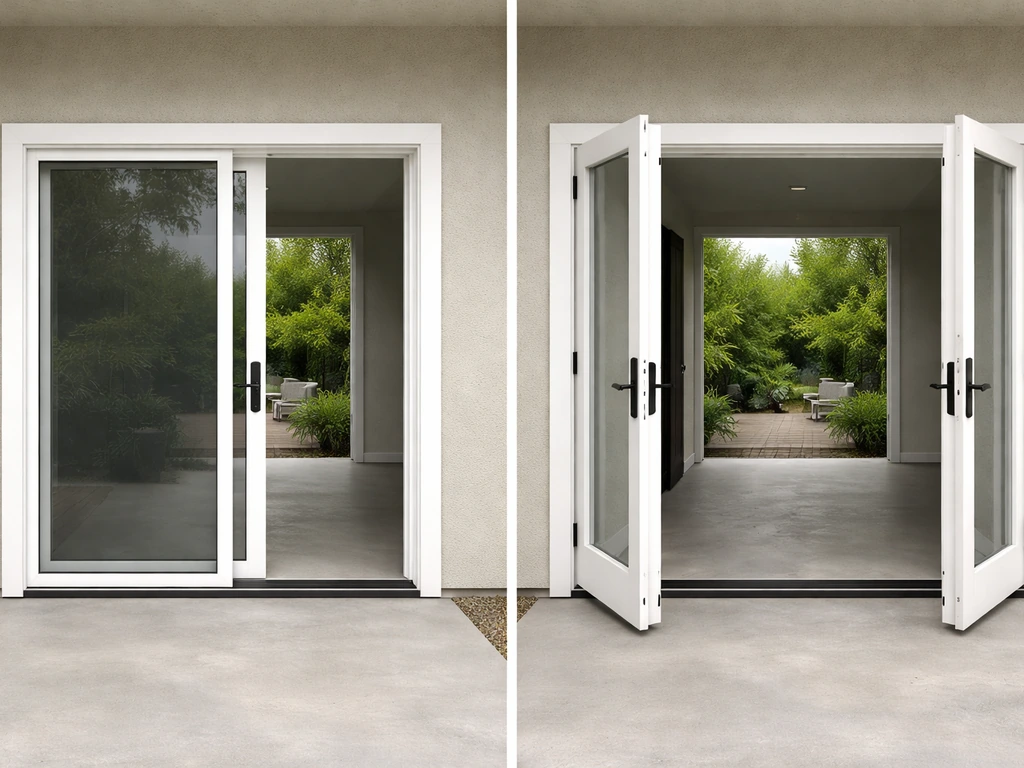
The door style you choose affects both the unit price and the installation cost. Here's how each type stacks up in practice.
Sliding patio doors
Sliding doors are the most popular and the most affordable to buy and install. A standard two-panel sliding door in Pella's 250 Series vinyl line is the entry point for the brand. Installation is straightforward for experienced contractors, which keeps labor costs in check. Installed totals for a mid-range sliding door from Pella typically land between $2,000 and $6,000 depending on size and glass package. If budget is a primary concern and you have a standard rectangular opening, sliding is almost always the right call. A good way to estimate the total is to start with the price range for a standard size patio door and then add installation, glass options, and any add-ons how much does a standard patio door cost.
French patio doors
Hinged French doors cost more than sliding doors, both for the unit and for installation. The hardware is more complex, and a true inswing or outswing configuration requires clearance planning that sliding doors don't need. Industry benchmarks put exterior French door installed costs in the $1,300 to $5,500 range, but a Pella wood or fiberglass French door with a quality glass package will often sit at the higher end of that range or above it. They're the right choice when you want a classic look or when a wider clear opening matters more than space savings.
Bifold and multi-slide doors
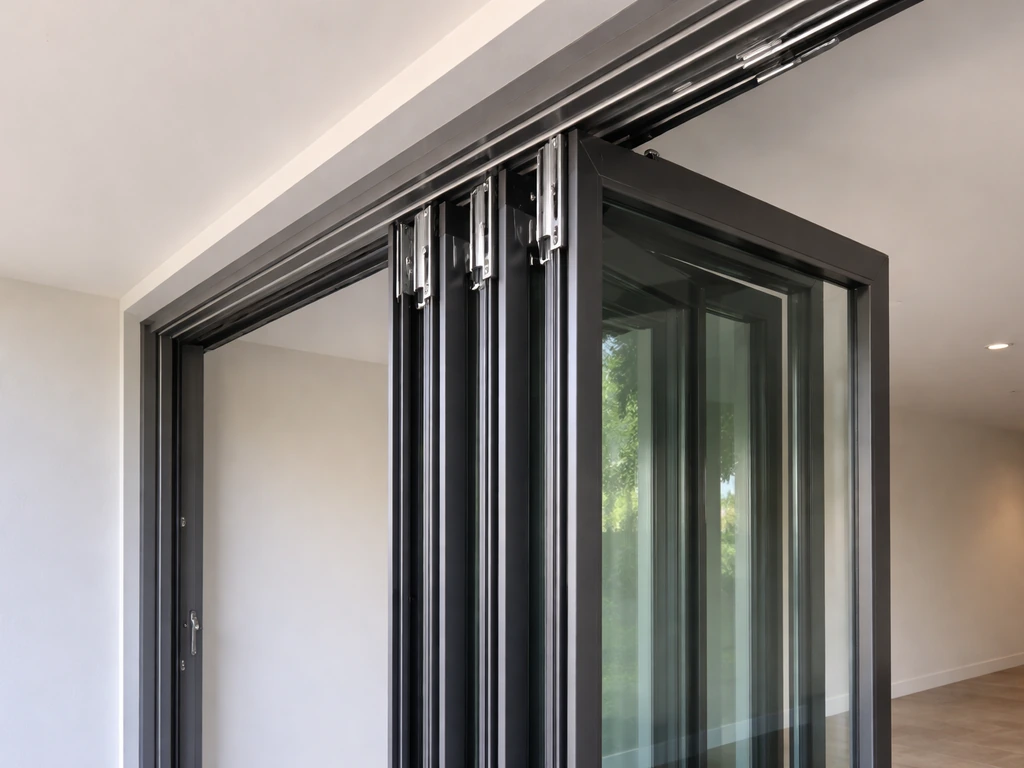
Bifold and multi-slide configurations are in a different cost category entirely. Pella explicitly notes that bifold installations are more complex and typically cost more than sliding or French door installations. Pella provides step-by-step installation instructions for hinged and sliding patio doors, and the scope varies by door style. The hardware systems are sophisticated, the panel count is higher, and the structural requirements for the opening are more demanding. Installed costs commonly start around $5,000 and can reach $20,000 or more for wide, custom multi-panel configurations. If you're drawn to bifolds for the open-wall feel, budget accordingly and factor in that the contractor's labor quote will be significantly higher than for a standard sliding or French door.
| Style | Door-Only Estimate | Typical Installed Total | Best For |
|---|---|---|---|
| Sliding (2-panel) | $1,000 – $3,500 | $2,000 – $6,000 | Budget-conscious buyers, standard openings |
| Sliding (3 or 4-panel) | $2,500 – $6,000 | $4,000 – $9,000 | Wider openings, more light |
| French (hinged) | $2,000 – $6,000 | $3,500 – $8,500 | Classic look, wide clear opening |
| Bifold / multi-slide | $4,000 – $15,000+ | $6,000 – $20,000+ | Open-wall feel, premium renovations |
Installation, removal, and labor costs to budget for
Labor is the cost most people underestimate. Hiring a professional to install patio doors is one of the biggest factors behind the final price, so labor is worth planning for up front how much does it cost to install patio doors. Angi consistently reports patio door replacement labor in the $400 to $1,400 range, but that's for straightforward swaps on standard openings. When you get into bifold systems, structural adjustments, or complex wall types (masonry, stucco, brick), that number rises.
Pella uses multiple installation methods depending on your situation: Nail Fin, Block/Box Frame, and Brickmould/Flush Flange installs are all in play depending on whether you're doing a full-frame replacement or a retrofit into an existing frame. A flush flange installation on a stucco home, for example, allows the installer to swap the door without removing the surrounding stucco, which is a real cost saver. A Nail Fin install on a full-frame replacement means removing interior trim, pulling the old frame entirely, and reframing if needed, that adds hours and dollars. Always ask the contractor which method applies to your opening.
Don't forget these often-overlooked line items:
- Removal and disposal of the old door: typically $100 to $500 depending on size and site access
- Trim repair or replacement on the interior and exterior after installation
- Structural adjustments if your opening needs to be resized or the header reinforced
- Permits: fees vary by jurisdiction but a real example is $50 to $125 for a window or patio door permit at the city level — always check locally before assuming it's included in a contractor quote
- Finishing work: paint, caulk, weatherstripping touch-ups that sometimes aren't in the base labor quote
Pella Certified Contractors are trained specifically on Pella products and can scope all of this accurately. Using one matters not just for quality but because blank" rel="noopener noreferrer">Pella's warranty covers labor costs for the first two years from the date of purchase, meaning if something goes wrong with the installation in that window, you're protected. A renewal by Andersen patio door cost can be higher or lower depending on the same drivers like size, glass package, and whether you need a full-frame replacement. That labor warranty is worth factoring into your total-cost calculation.
How to get an accurate quote today
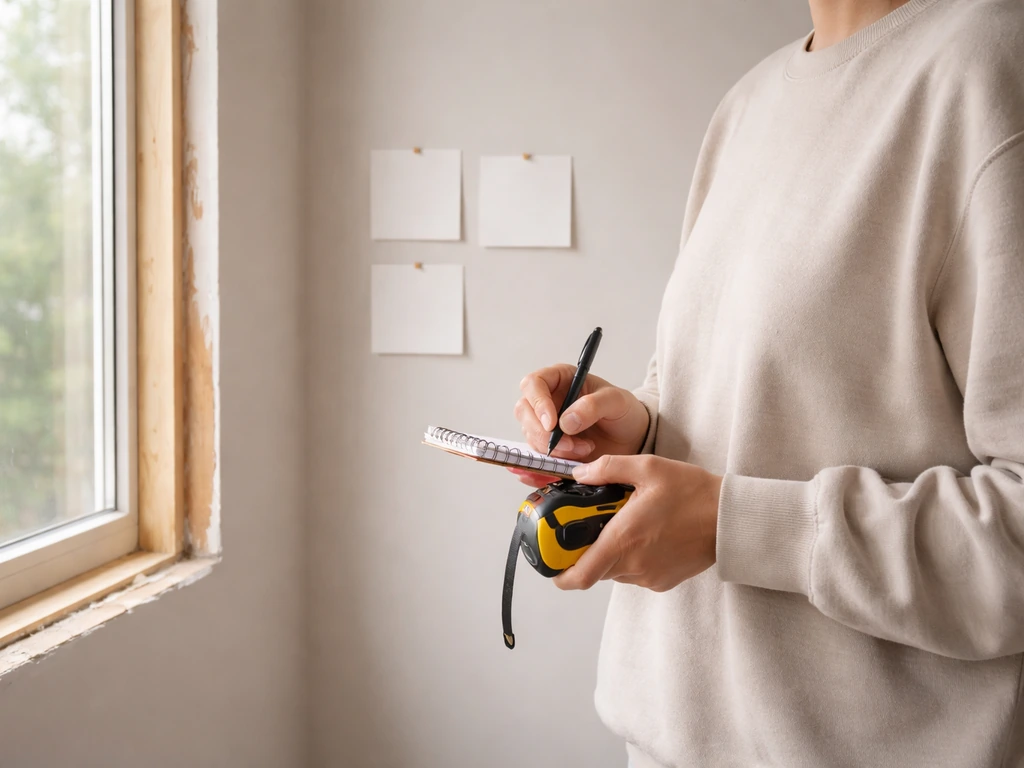
Walking into a Pella showroom or calling a Pella Certified Contractor without preparation usually results in a vague estimate. Coming in with a few key measurements and answers ready gets you a real number much faster.
What to measure before you call
- Rough opening width and height: measure the actual framed opening, not just the old door or trim
- Wall thickness: matters for frame depth and trim extension selection
- Existing door type: sliding, French, or something else — tells the contractor whether this is a like-for-like swap or a style change
- Exterior wall material: vinyl siding, wood siding, stucco, brick, or stone — this determines which installation method applies and can significantly affect labor cost
- Door swing or operation direction: which panel is active, which way does it open or slide, where is the handle side
Questions to ask the dealer or contractor
- Is this a replacement-frame install or a full new-construction frame install, and which method do you recommend for my opening?
- What glass package are you quoting, and what are the U-factor and SHGC values?
- Are screens included, or are they a separate line item?
- What does the quote include for removal and disposal of the existing door?
- Does the quote cover interior and exterior trim repair or replacement?
- Will a permit be required, and is the permit fee included?
- Are you a Pella Certified Contractor, and does this installation qualify for Pella's labor warranty coverage?
Getting two or three quotes using these same inputs lets you compare apples to apples. A quote that looks cheap on paper is often missing the disposal fee, the trim work, or the permit, and those gaps show up as surprises on the final invoice.
Cost-saving strategies and smart upgrades
There are real ways to manage costs without compromising quality, and a few upgrades worth prioritizing even when you're watching the budget.
Where to save
- Choose sliding over French or bifold if the opening allows it — you'll save on both the door unit and labor without sacrificing energy performance
- Stick with a standard size rather than a custom width or height — custom sizing adds cost at every tier
- Select vinyl over wood if you're in a high-humidity or high-maintenance situation — it performs well and costs significantly less over time
- Get the screen included in the original order rather than ordering it separately later — screens added post-purchase typically cost more
- If you're doing other exterior work at the same time (windows, siding), bundling projects with the same contractor often reduces the per-job overhead
Upgrades worth the money
- Low-E glass with a performance spec matched to your climate: this pays back in energy savings over the door's lifespan and qualifies for energy efficiency tax credits in some cases
- Between-the-glass blinds if you have kids or pets: the integrated version stays cleaner longer and won't get damaged — cheaper than replacing broken blinds repeatedly
- Multi-point locking hardware: meaningfully improves security and often costs only a modest premium at purchase but is expensive to retrofit
- Impact-resistant glass if you're in a hurricane zone: required by code in many coastal counties, and worth the cost even where it isn't strictly required
On the screening side, if natural ventilation matters to you, ask Pella about their screen options at quote time, they're not always bundled automatically and the type of screen (standard, retractable, or full-view) affects both cost and the experience of using the door daily. If you later need to rescreen a patio door, labor and screen type are usually the biggest cost drivers screen options. Similarly, if covering the door opening is on your list for privacy or shade, factoring in an exterior covering solution at the same time as the door purchase can simplify the project and reduce total site visits.
Long-term value and what to expect after installation
A Pella patio door installed correctly should last 20 to 30 years with basic maintenance. The ongoing cost is genuinely low if you follow a few simple habits. For sliding doors, keeping the track clean and free of debris is the single most important maintenance task, dirt and grit in the track accelerates wear on the rollers, and roller replacement is an avoidable expense. Pella's owner's manuals cover roller adjustment and track cleaning specifically, and it's worth reading the relevant section once after installation.
For hinged French doors, periodic weatherstripping inspection and lubrication of hinges and locking hardware keeps things operating smoothly. Wood and wood-clad doors need the most attention, plan for refinishing every few years on exterior-exposed surfaces depending on your climate and sun exposure. Vinyl and fiberglass frames are dramatically lower maintenance: an occasional wash-down is usually all they need.
Pella's product warranty covers labor for the first two years from purchase, which is meaningful if any installation-related issues surface early. After that two-year window, product defects are still covered under the material warranty terms, but labor for repairs comes out of pocket. That's worth knowing when you're deciding whether to use a Pella Certified Contractor versus a general contractor, the warranty protection is tied to proper installation, and using a certified installer keeps that coverage intact.
When thinking about total cost of ownership, a well-chosen Pella door with a quality glass package adds genuine resale value to a home, reduces heating and cooling loads, and avoids the cycle of replacing a cheaper door in 10 to 12 years. The comparison worth making isn't just Pella versus another brand, it's the right Pella series and configuration for your specific opening, climate, and how you actually use the space. Get that decision right and the price you pay today looks better every year.
Your next steps
- Measure your rough opening (width, height, wall thickness) and note your exterior wall material before making any calls
- Decide on style: sliding for value and simplicity, French for aesthetics and clear opening, bifold if you want the open-wall experience and have the budget for it
- Visit Pella's website or a local Pella showroom to identify which series matches your priorities — some Lifestyle Series configurations show online pricing while others require a rep consultation
- Contact at least two Pella Certified Contractors for itemized quotes that include the door unit, labor, removal/disposal, trim work, and any permit fees
- Compare quotes line by line using the same specs — same glass package, same panel count, same installation method — so you're making an apples-to-apples decision
- Ask each contractor whether the installation qualifies for Pella's two-year labor warranty and confirm they are Pella Certified
FAQ
How much are Pella patio doors if I only need the door unit, not installation?
Typically the door itself runs about $1,000 to $6,000 depending on series, size, and glass package. If you are doing a DIY or hiring labor separately, ask the dealer to break out the unit price from shipping, delivery surcharges, and any required frame or threshold components.
Are the $1,500 to $10,000+ numbers for a full-frame replacement, or can it be cheaper?
It depends on whether your installer can use a retrofit approach. A flush-flange style install (common on some stucco situations) may avoid removing exterior cladding and can reduce labor and disposal costs. For an accurate comparison, make sure each quote states whether it is new frame installation, full-frame replacement, or retrofit into an existing frame.
What size patio door tends to increase the price the fastest?
Height and panel count. Moving from a standard two-panel sliding door to larger multi-panel options, or going up to 8-foot heights, usually increases both material cost and installation labor. When you request quotes, provide the exact rough opening dimensions, not just the finished door size.
Why do quotes for the same Pella patio door vary so much between contractors?
Installation method, site conditions, and what is included. Two major drivers are the stated install type (Nail Fin versus Block/Box Frame versus Flush Flange) and whether the quote includes demo, hauling/disposal, trim restoration, permit fees, and any masonry or stucco patching.
What is the biggest cost add-on people forget to ask about?
The extras tied to your opening and usability, like disposal, permit costs, and required structural modifications for larger or multi-panel systems. Ask the contractor to list line items separately (door unit, glass package, hardware/security, labor, disposal, permit, and any wall repair) so you can compare proposals apples to apples.
Do screens and blinds change the price significantly?
Yes. Between-the-glass blinds are an integrated upgrade on select series and can add a noticeable amount to the purchase price. Screens are often not included by default, and the type (standard versus retractable versus full-view) can affect both the product cost and long-term convenience.
How much extra does impact-resistant glass add for hurricane-prone areas?
Impact-resistant glass can add roughly 20 to 40 percent compared with standard glass, but the exact amount depends on the specific performance rating and configuration. Get it quoted explicitly, and confirm whether the rest of the door hardware and installation method also meet local code requirements.
Which glass option should I prioritize if I live in a hot climate?
Prioritize a low SHGC (solar heat gain coefficient) and confirm the U-factor for your climate zone as well. Even within the same door style, the glass package can shift the total price, so ask the dealer to quote the door with your preferred SHGC and insulation level as a bundled configuration.
Is it cheaper to add security hardware at the time of purchase or later?
It is usually cheaper to bundle upgrades during the original purchase. Retrofitting later often adds labor and may require additional parts or rework, especially if you are switching to multi-point locking or adding smart-home compatible hardware.
How do I know if my warranty will cover labor for installation problems?
Pella’s labor coverage is tied to proper installation and is covered by Pella Certified Contractors for the first two years from the purchase date. Ask your installer to confirm they are certified for your specific product line, and keep the paperwork showing the install date and dealer invoice.
If my patio door is leaking or not operating smoothly after installation, what should I do first?
Contact your installer quickly within the early warranty window and reference the purchase and installation date. For sliding doors, check whether the track is clean and ask the installer about roller adjustment, because operational issues often relate to track debris or initial alignment rather than the door unit itself.
Do I need permits for a patio door replacement, and does it affect the cost?
In many areas, yes, especially if the work changes structural elements or the opening. Permit fees are a common quote omission, and they can also require inspection time. Ask each contractor whether permits are included and who handles the filing.