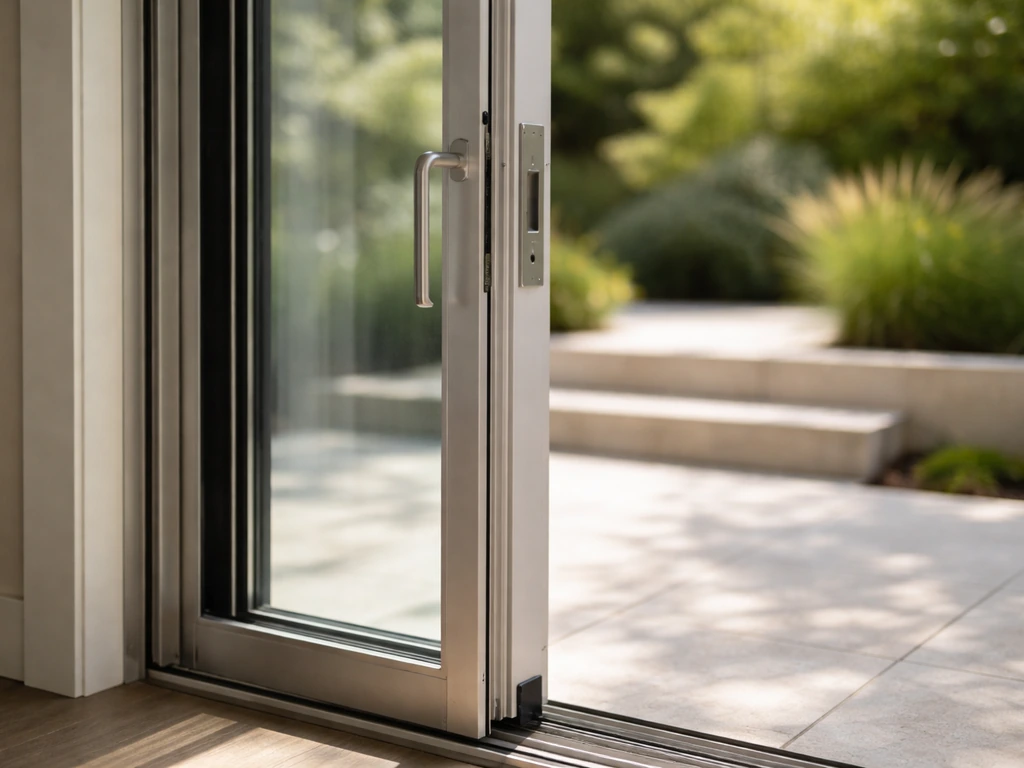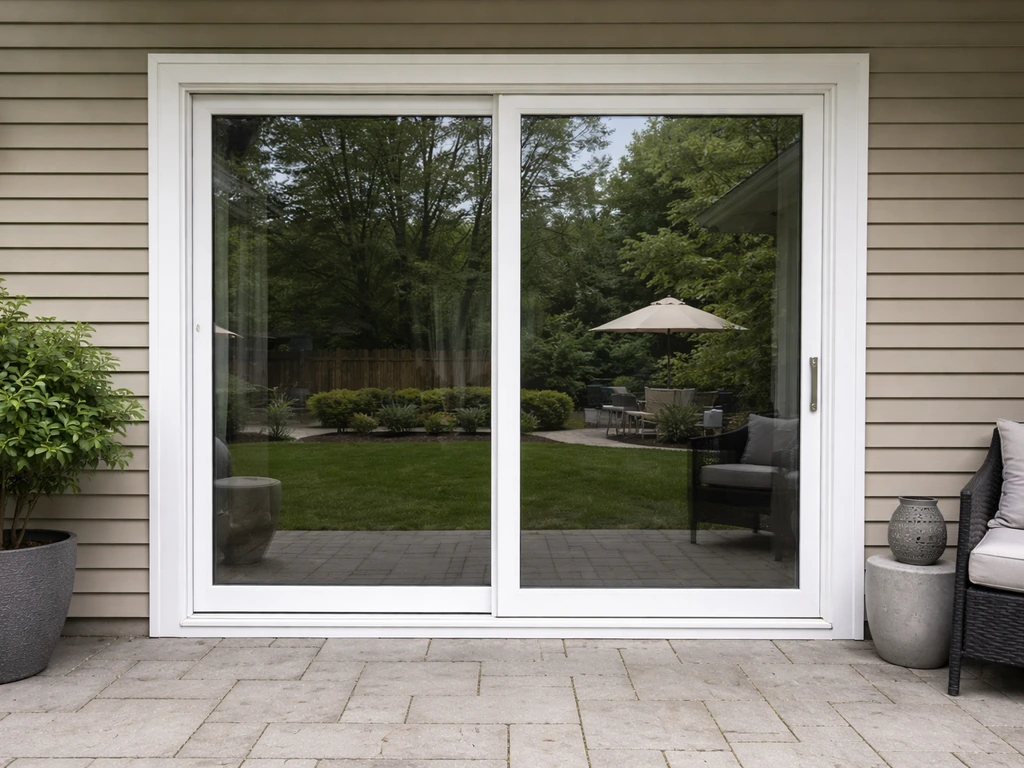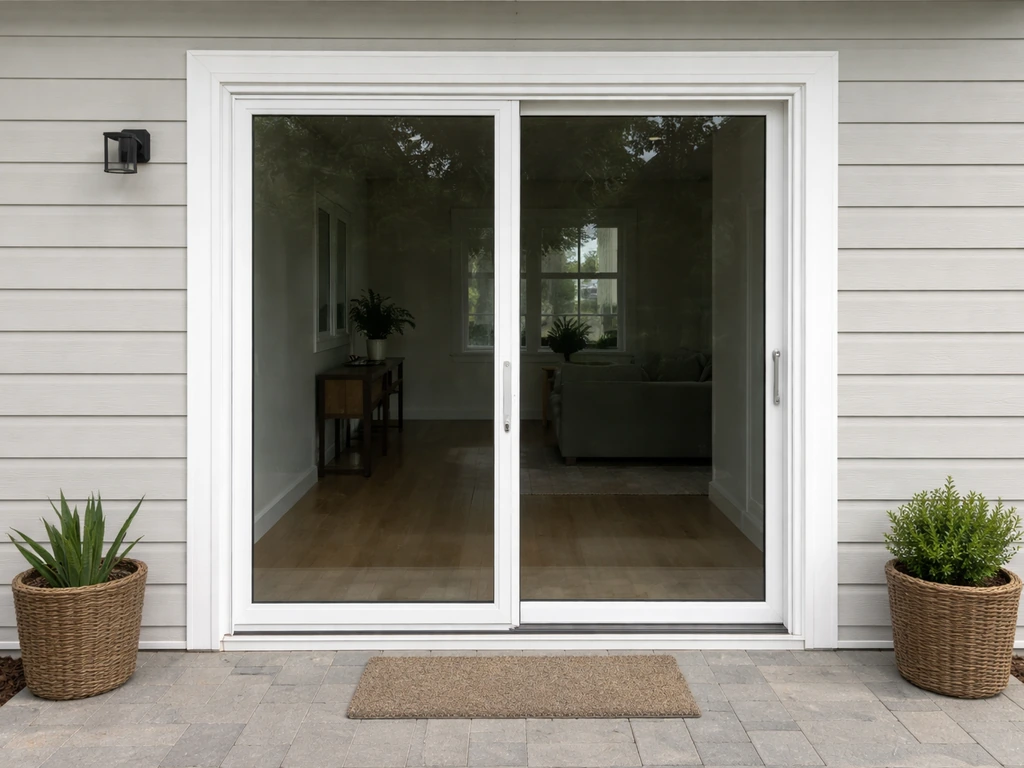
A standard patio screen door runs anywhere from $130 to $900 installed, depending on whether you're buying a basic sliding screen or a custom hinged door with upgraded mesh. Retractable screen systems push that range up considerably, from about $1,500 on the low end for a simple doorway opening to $6,000 or more for a motorized setup covering a large patio. Most homeowners replacing or adding a screen door to a standard patio opening end up spending $300 to $750 all-in, including labor, when they go with a mid-grade sliding or hinged aluminum screen door.
How Much Are Patio Screen Doors Cost Guide by Type
Owen Delaney
21 Jun 2026
Patio Screen Door Cost Ranges by Type
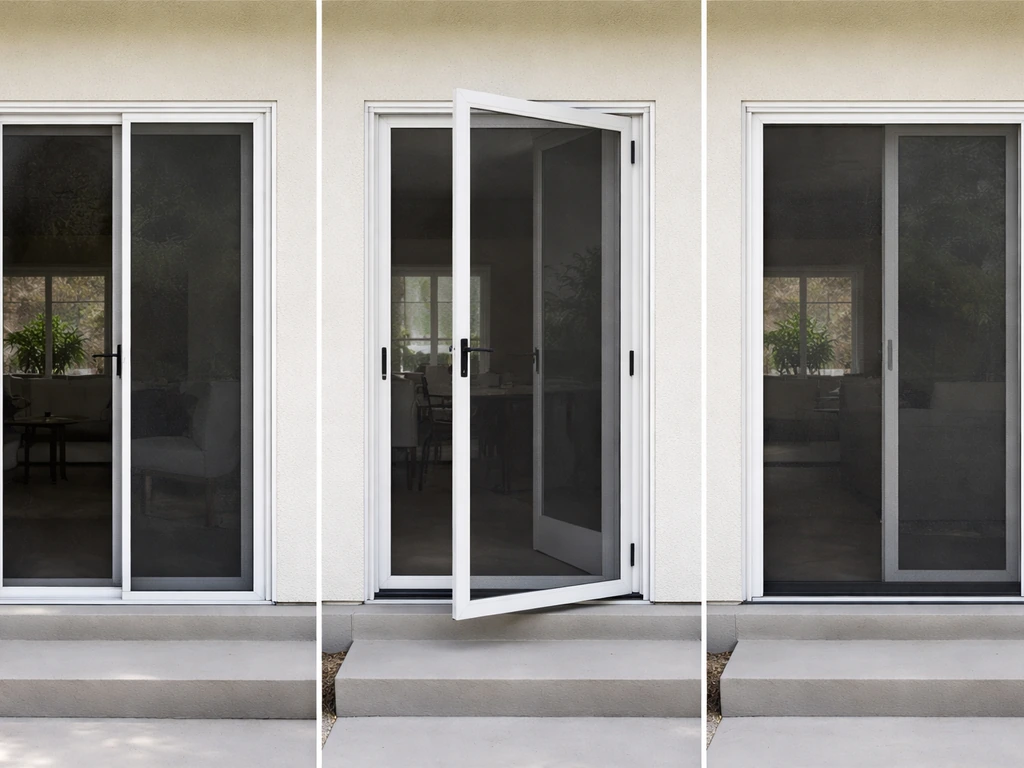
The type of screen door you choose shapes your budget more than almost anything else. Here's a practical breakdown of what each type actually costs in 2026, including installation.
| Screen Door Type | Typical Installed Cost Range | Best For |
|---|---|---|
| Standard sliding screen door | $130 – $550 | Existing sliding patio doors, budget-conscious buyers |
| Hinged screen door (standard) | $175 – $500 | French door patios, single-door openings |
| Custom hinged screen door (wood/pet door) | $500 – $900+ | Non-standard openings, pet owners, wood aesthetics |
| Retractable screen (manual) | $1,500 – $3,500 installed | Homeowners who want screens that disappear when not in use |
| Retractable screen (motorized) | $3,000 – $10,000 installed | Large patio openings, premium setups, accessibility needs |
| Screen enclosure / patio screen system | $2,000 – $8,000 installed | Full patio coverage, Florida-style screened rooms |
The $130–$550 range for a basic sliding screen door typically covers a standard 80-inch tall door sold at a home improvement store plus a couple of hours of labor. If you're also weighing a full patio door replacement, you can compare this screen-door pricing to the question of how much does a standard patio door cost before you choose. Retractable systems are a different animal entirely.
A motorized retractable screen for a single large opening is commonly quoted at $3,000–$6,000 by dealers, and if you're covering a bigger structure like a 12x12 patio room, installed costs of $6,000–$10,000 aren't unusual. Los Angeles area quotes for a standard doorway retractable tend to run $1,500–$3,500, which tracks with what contractors are reporting nationally for smaller openings.
What Actually Changes the Price
Once you know the door type you want, several variables will push your quote up or down. Understanding these before you call a contractor means you can have a smarter conversation and avoid surprise line items.
Frame Material
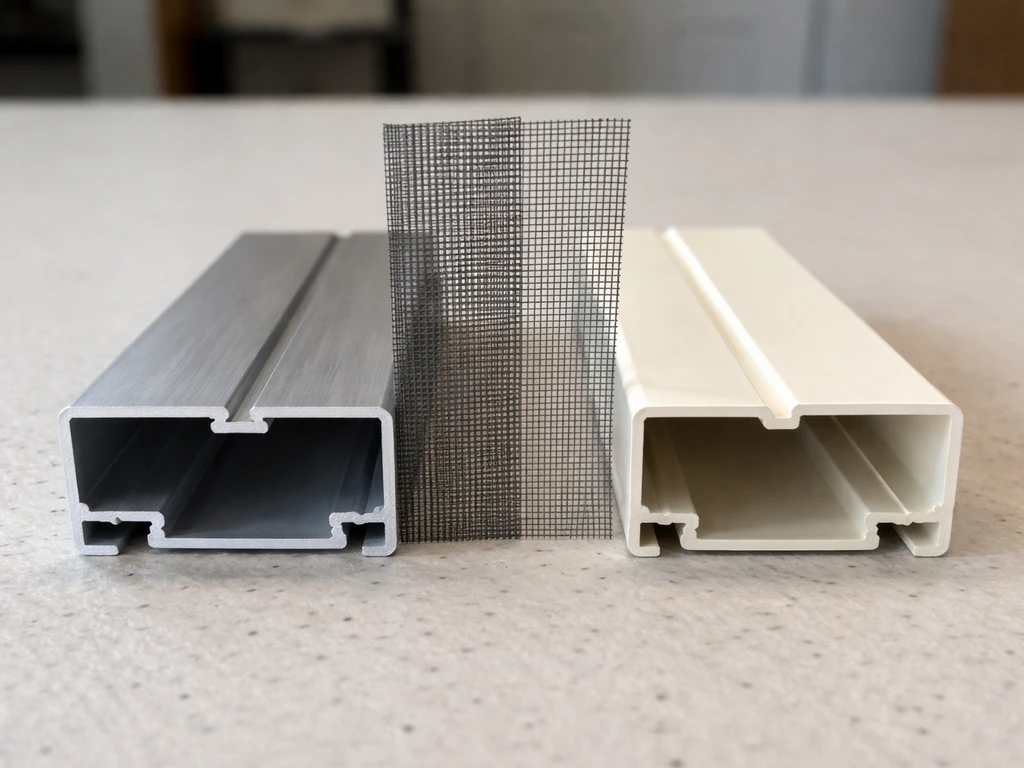
Aluminum is the most common and most affordable frame material for patio screen doors. It's lightweight, resists rust, and holds its shape well over time. Vinyl frames are a step up in insulation and are popular in humid climates. Wood frames cost the most and require the most maintenance, but they match traditional home aesthetics well. For a standard aluminum sliding screen, you're at the low end of the range. Upgrade to vinyl and expect to add $50–$150. Custom wood frames can push past $900 before installation.
Screen Mesh Type
Standard fiberglass mesh is cheap and functional. But there are real reasons to upgrade. Pet-resistant mesh, which handles clawing and leaning from dogs and cats, typically adds $100–$500 to the project depending on screen size. Solar screen mesh, which blocks heat and UV rays, runs about $80–$280 per opening when professionally installed. If you live somewhere sunny and want to cut cooling costs, solar mesh is worth considering. Andersen's LuminAire retractable screen system, for reference, comes with a 5-year limited warranty covering components like the housing, latch, and track, but notably the screen mesh assembly itself is often excluded from manufacturer warranties, so factor potential mesh replacement into your long-term budget.
Standard vs. Custom Sizing
This is where a lot of homeowners get surprised. Standard patio screen doors are designed for common patio door widths: typically 28, 30, 32, or 36 inches wide and 80 inches tall. If your opening hits those dimensions, you can buy off the shelf and blank" rel="noopener noreferrer">pay standard pricing. If your door is non-standard, even by an inch or two, you'll likely need a custom order. Custom sizing usually adds 20–40% to the door cost alone, on top of which the installer may charge for additional fitting time. If you are trying to estimate how much to fit a patio door, accurate measurements and whether you need custom sizing usually drive the biggest part of the price.
Color, Finish, and Add-Ons
White and mill-finish aluminum are usually standard price. Bronze, black, or custom colors typically add $30–$100 to the door cost. Pet doors cut into the screen panel, self-closing hinges, or magnetic closures are common add-ons that bump the price up incrementally. Motorization, as mentioned, is the biggest add-on of all.
Delivery and Disposal
If you're ordering online or from a specialty dealer, delivery fees on screen doors can range from free to $50–$150 for larger or custom units. Some contractors also charge a small fee to haul away the old screen door and frame. Always ask if these are included in the quote or billed separately.
Screen Door vs. Full Patio Door Replacement: Know What You're Buying
This distinction matters a lot for your budget. A patio screen door is a separate panel that attaches to, or slides alongside, your existing patio door frame. It screens insects and debris without replacing any structural element. If you meant a full patio door installation instead of just a screen, the cost is usually higher and depends heavily on the door style and labor full patio door replacement. A full patio door replacement involves swapping out the entire door unit, frame included, which is a much larger project that typically costs $1,500–$5,000 or more depending on door style and brand.
If your existing sliding glass door or French door is in good shape and you just want bug protection and airflow, a screen door is the right answer. If the frame is warped, the glass is fogged, or the door is drafty, you're likely looking at a full replacement rather than just a screen add-on.
Some premium brands like Andersen sell retractable insect screens as accessories to their door lines (like the 400 Series), and these are designed to work specifically with their door systems, so they're not always interchangeable with a competitor's frame. Full door replacement costs, installation pricing, and brand-specific quotes are a different conversation entirely, but worth knowing about if you're on the fence between fixing the screen situation and replacing the whole unit.
If you are also considering installing new patio doors, get a separate quote because the pricing is different from screen door cost.
Professional Installation vs. DIY: Is It Worth Paying for Labor?
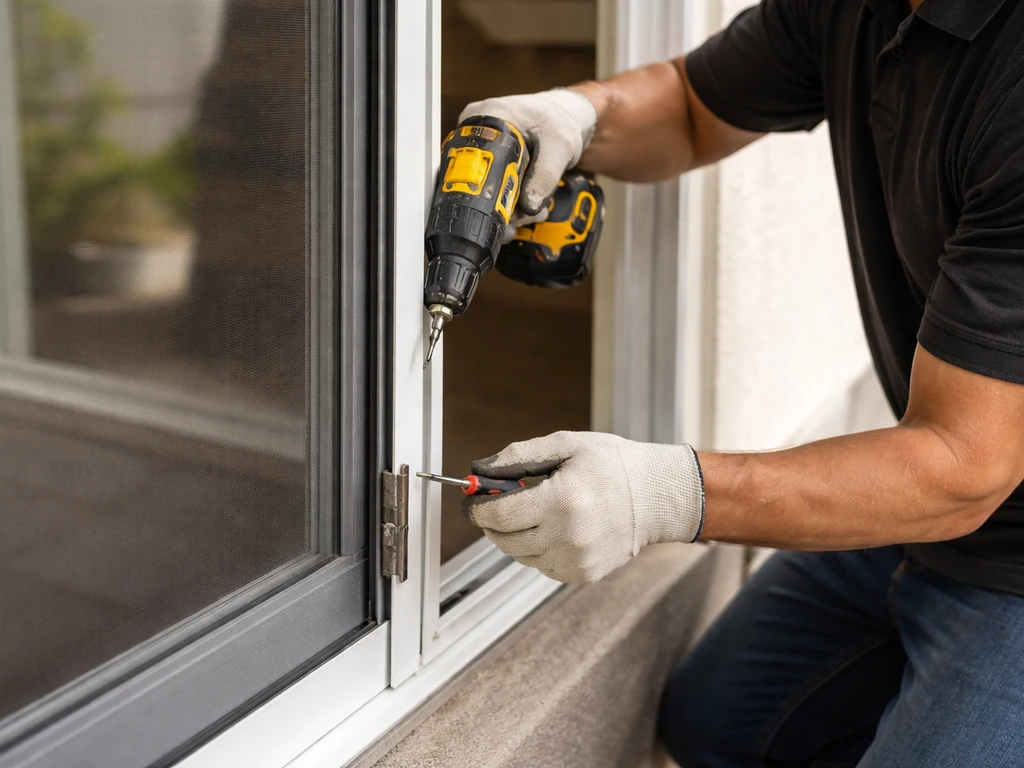
Labor for a standard hinged or sliding patio screen door installation typically runs $95–$120 per hour, and the job takes a two-person crew about 2–4 hours on average. That puts installation-only labor at roughly $200–$500 for most standard replacements. Some estimates peg the install-only cost at $175–$500 depending on door type and site conditions, which tracks with those hourly rates.
For a basic sliding screen door replacement on an existing, properly sized frame, DIY is genuinely reasonable. You're essentially lifting the screen into the track, adjusting the rollers, and confirming it slides smoothly. Most handy homeowners can do it in an hour or less. Where DIY gets tricky: if the frame is damaged, the opening is slightly out of square, or you're dealing with a retractable system that needs precise track alignment. Messing up a retractable screen installation can mean the screen won't retract evenly or will bunch at one side, and fixing that sometimes costs more than getting a pro in the first place.
For large patio screen enclosures, the math strongly favors hiring a contractor. With labor running $700–$3,500 on full patio screen installations, the complexity of tensioning screen mesh evenly across a large frame, ensuring proper drainage, and making the structure weathertight is not a weekend project for most homeowners.
| Scenario | DIY | Professional Install |
|---|---|---|
| Standard sliding screen replacement (same size frame) | Good option, 1–2 hours | Costs $200–$400 labor, not necessary if confident |
| Hinged screen door on existing frame | Doable, watch for levelness | Worth it if frame needs adjustment |
| Retractable screen system (manual) | Difficult, not recommended | $400–$800 labor typical |
| Motorized retractable or large screen enclosure | Not recommended | Dealer-installed, labor included in quote |
How to Measure So You Don't Get Hit with Mismatch Fees
Getting the measurements right before ordering or requesting quotes is probably the single most useful thing you can do to keep costs predictable. Ordering the wrong size screen door means paying return shipping, restocking fees, and possibly waiting weeks for a replacement, all before labor even starts.
For a sliding patio screen door, measure the width of the screen track opening (not the full door frame), not just at one point but at three heights: about 6–8 inches below the top track, at the middle (handle height), and 6–8 inches above the bottom sill. Use the smallest measurement as your order width. This accounts for any frame bow or settling. Do the same for height, measuring from the bottom of the top track to the top of the bottom track in three spots and using the smallest number.
Milgard's guidance for screen measurements specifies measuring to the outside edge of the screen frame, which is a slightly different reference point than measuring the door frame itself. If you're ordering a replacement screen for a specific brand's door, check that brand's measurement convention before you order because a quarter-inch error can mean the screen won't seat properly in the track.
For a rough opening (when installing a new screen door where none existed), you'll need to remove interior casing to see the actual framed opening, then measure from the subfloor up to the bottom of the header. Rough opening measurements give contractors what they need to spec the right door unit, including any shimming and trim work in the quote.
- Measure width at three heights (top, middle, bottom of the opening) and use the smallest number
- Measure height at three points (left, center, right) and use the smallest number
- Note whether you're measuring the screen track opening, the door frame, or the rough opening (these differ)
- Check the manufacturer's measurement guide for the specific brand if ordering a replacement screen
- Take photos of the existing frame, track, and door corners before any appointment
How to Compare Quotes and Pick the Right Contractor
Getting multiple quotes is obvious advice, but comparing them correctly is where most homeowners fall short. A quote that just says '$650 installed' tells you very little. You need to know exactly what's included before you can compare it to anything else.
When you're collecting bids, ask each contractor or retailer to break down the door or screen cost, the labor cost, any delivery or disposal fees, and the warranty coverage separately. Warranty details matter more than most people expect. Some brands, like Andersen, have component-specific warranties where the screen housing, track, and latch are covered but the mesh itself is not. If a quote mentions a 'full warranty' without specifying what's covered, push for the written warranty document before signing. If you’re trying to estimate how much Pella patio doors cost, focus on the exact model, glass options, and the full installed price a quote mentions a 'full warranty'.
Brand pricing varies enormously. Premium brands like Renewal by Andersen are frequently quoted at significantly higher prices than regional contractors or big-box alternatives, and homeowners regularly report receiving quotes several times higher than competitors for similar work. That doesn't mean premium brands aren't worth it in some cases (material quality and warranty service are genuinely better), but you should always have at least one mid-market comparison quote so you know what you're paying extra for.
- Ask for an itemized quote: door/screen cost, labor, delivery, disposal listed separately
- Confirm whether the price is for standard sizing or if your opening will trigger a custom upcharge
- Ask what mesh type is included and what an upgrade to pet-resistant or solar mesh would add
- Request the specific warranty document, not just a verbal assurance of coverage
- Ask how long the installation takes and whether one person or a crew is coming
- Confirm who handles any frame repairs or adjustments if the opening isn't perfectly square
- Get at least three quotes: one from a specialty door/screen dealer, one from a general contractor, and one DIY price from a home improvement store for comparison
Once you have itemized quotes in hand, compare them line by line. A contractor charging $150 more for labor but including frame adjustment and disposal might actually be the better deal than the lower headline number that excludes those items. If you're weighing a screen door add-on against a full patio door replacement, the cost gap is substantial enough that it's worth getting both types of quotes at the same time so you're making the comparison with real numbers, not estimates. Full patio door replacement can change the total, so it helps to check how much it costs to replace a patio door alongside your screen-door add-on quote.
To get to a precise number for your specific door, pull your measurements together before making any calls, decide on your door type and mesh preference, and reach out to at least two or three local contractors plus one online specialty screen door retailer for a price-check. Rescreening a patio door typically costs less than replacing the whole door frame, but the final price depends on the mesh type and whether you need new components like the rollers or track how much does it cost to rescreen a patio door. With your measurements in hand and a clear sense of whether you want standard or retractable, you can usually get usable quotes within a day or two and make a confident decision without overpaying.
FAQ
Are patio screen door costs usually for the screen only, or for replacing the whole patio door?
It depends on whether you mean “screen only” or “screen plus door replacement.” If your existing frame is usable, most estimates land around the all-in $300 to $750 band for a standard hinged or sliding screen. If you need to replace the entire patio door unit (frame included), pricing usually jumps to the $1,500 to $5,000+ range, so clarify this in your quote request before comparing prices.
Why do two quotes with similar “installed” prices end up different at checkout?
Yes. Many quotes for “installed” may still exclude delivery, disposal/haul-away, or any frame repair if the track is damaged or the opening is out of square. Ask whether delivery and removal are included, and request a line item for “frame/track adjustment” so you can tell the difference between a true all-in price and a low headline number.
Are retractable patio screen doors worth it compared to standard sliding ones, and what usually drives the cost the most?
A retractable screen often costs far more than a standard hinged or sliding screen, but it also has higher sensitivity to installation accuracy. If the opening is slightly out of square or the track is misaligned, you can get uneven retraction or bunching, and corrections can be costly. For retractables, it is usually worth paying for a pro unless the frame condition is already confirmed.
How much extra does a non-standard patio screen door size usually cost?
If your width or height is off by even a small amount, you typically move from a stocked size to a custom order, which usually adds about 20% to 40% to the door cost before any extra labor for fitting. That is why measuring the track opening (and using the smallest of your three readings) is one of the best ways to avoid unexpected upcharges.
What is the typical price increase for pet-resistant patio screen doors, and are warranties different?
Pet-resistant mesh is one of the more common upgrades, and it can add roughly $100 to $500 depending on your size and whether you need reinforced options. If your pets push on the screen or claw repeatedly, choose the right mesh type and confirm the warranty coverage, since some systems cover frame components but exclude the mesh itself.
Can I use the same patio screen size for different brands, or do I need brand-specific measurements?
If you are ordering a replacement for a specific brand’s system, you must match that brand’s sizing and measurement convention, some use screen-frame edges while others use door-frame references. A quarter-inch mistake can prevent proper seating in the track, which can mean return shipping, restocking fees, and delays.
When does DIY installation make sense for patio screen doors, and when should I hire someone?
For sliding screen doors, you can often DIY the swap on an existing, properly sized frame in about an hour, but DIY becomes a bigger risk if the opening is out of square, the frame is damaged, or you are installing a retractable system that requires precise track alignment. In those cases, professional labor can prevent rework and misalignment issues.
Do patio screen door quotes typically include delivery and removal of the old door?
Delivery is commonly overlooked. Online or specialty dealers may charge $0 to $150 for delivery depending on size and customization, and some contractors also charge for haul-away. Always request a quote that lists delivery and disposal separately so you can compare apples to apples.
What common add-ons cost the most, and which ones usually raise the price the least?
Add-on choices can change pricing incrementally, common examples are different colors (often $30 to $100), self-closing hinges or magnetic closures, and pet door cutouts. Motorization is usually the largest add-on, so if you want a “simple upgrade,” confirm whether it is mesh-related or control-related before signing.
What should I ask for when comparing quotes so I do not miss hidden differences?
A rule of thumb is to request at least two local bids plus one specialty retailer quote, but the real key is how the bids are itemized. Ask each bidder to separate door/screen cost, labor, delivery, disposal, and the exact warranty coverage for components versus the mesh. This prevents paying extra for “full warranty” language that does not cover what you think.