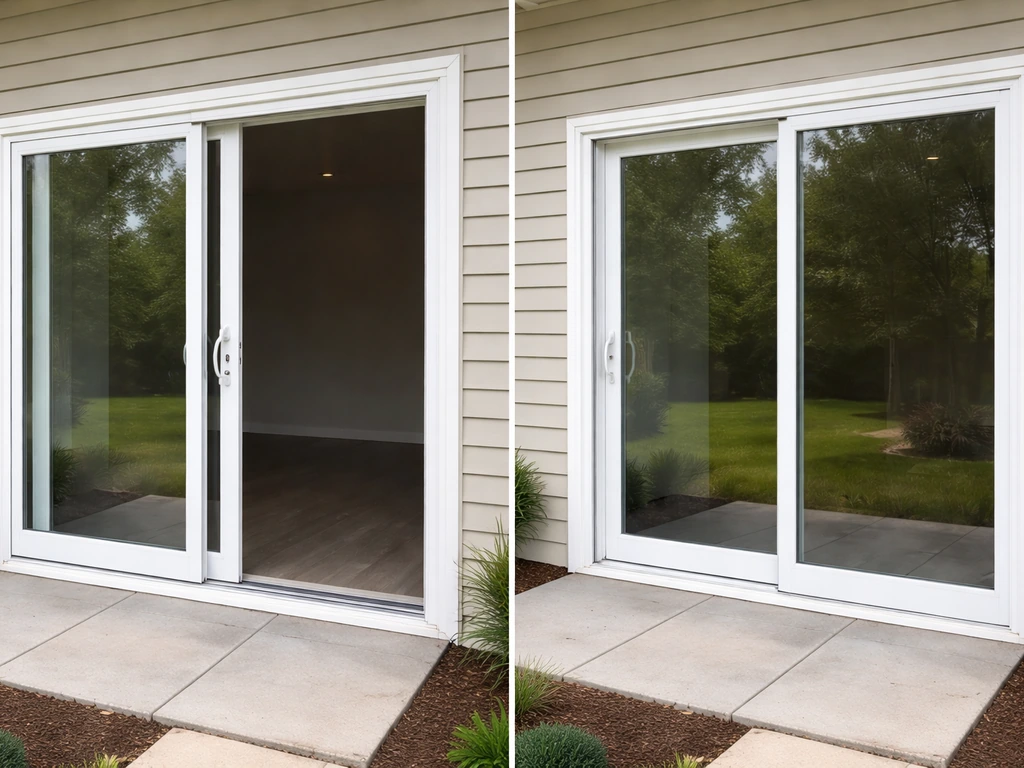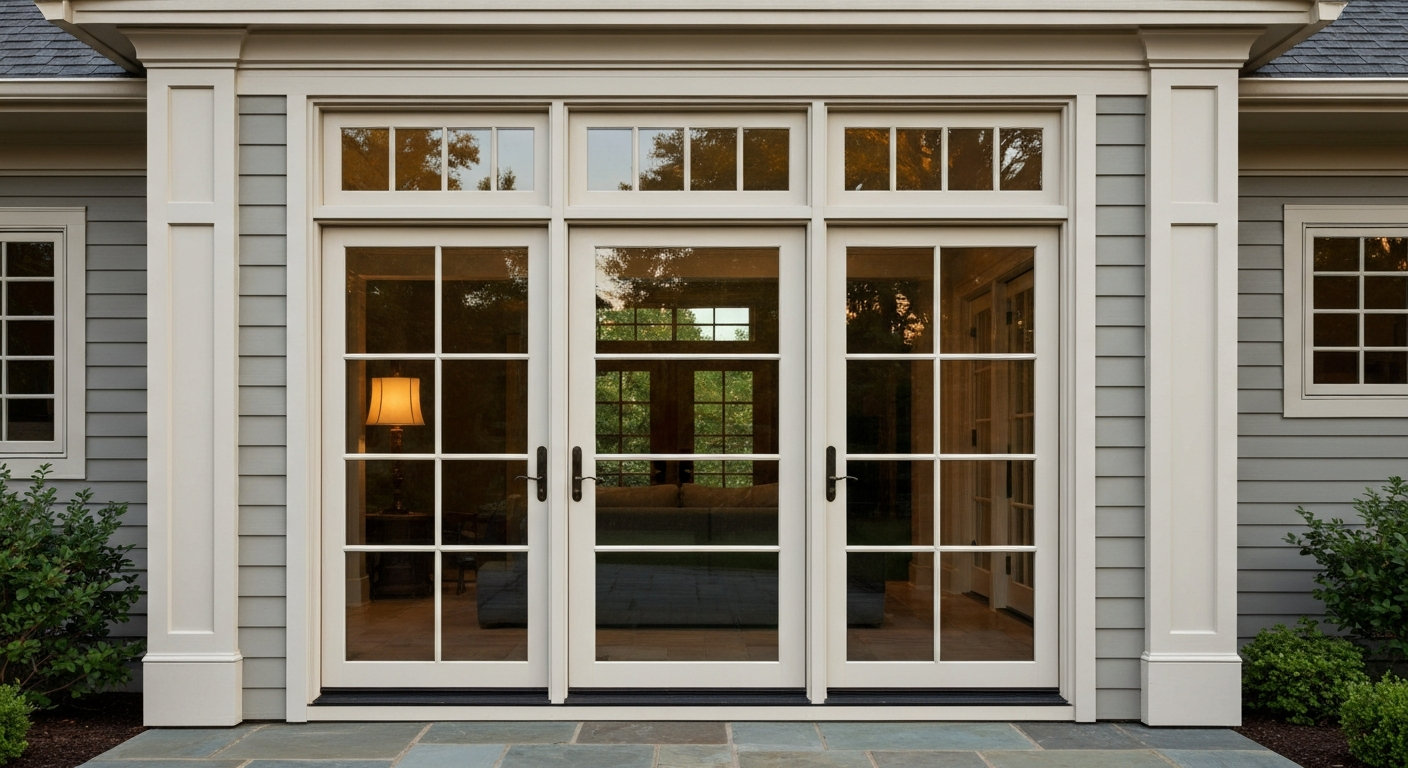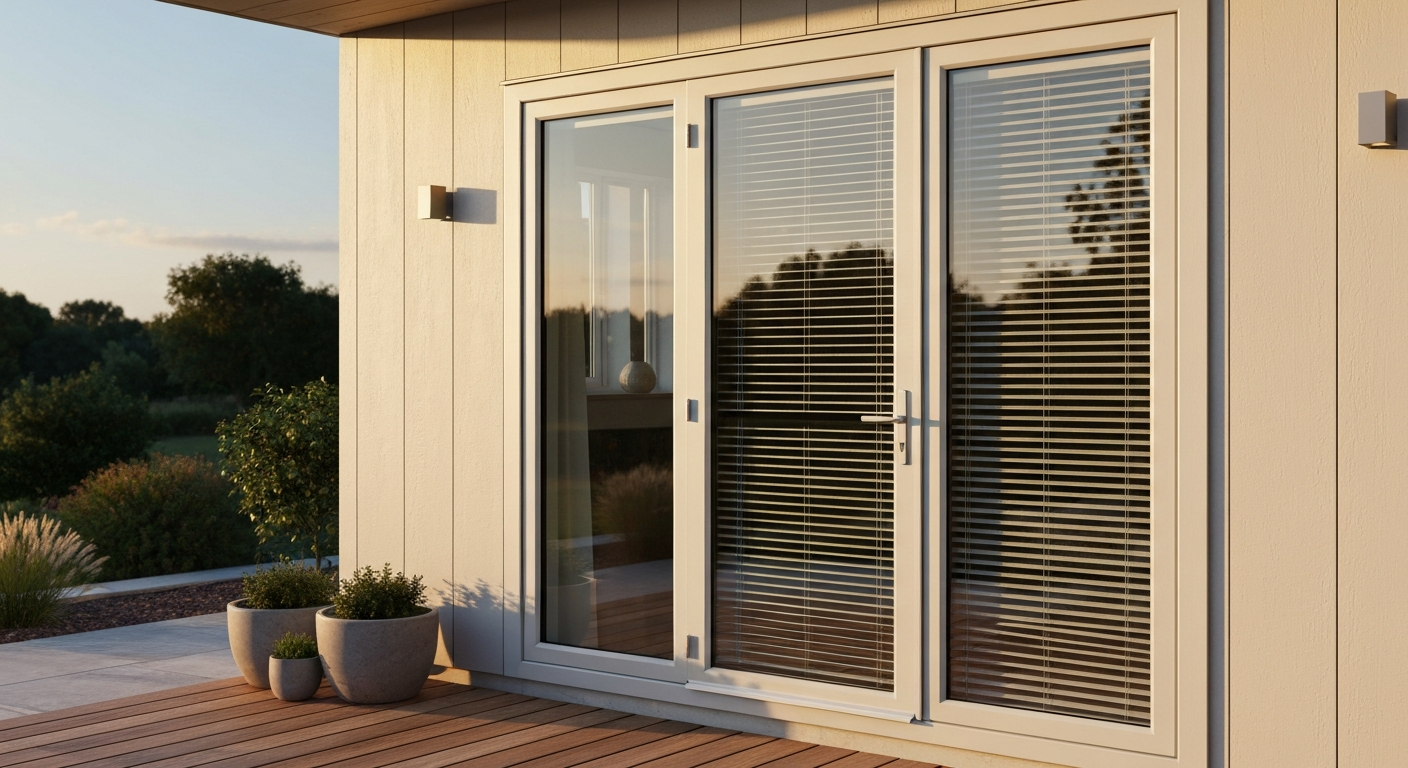
For most homeowners in cold or mixed climates, vinyl is the better default choice. It insulates better out of the box, costs less, never corrodes, and needs almost zero maintenance. Aluminum earns its place in coastal homes, contemporary builds where slim sightlines and large glass panels matter, or situations where you need a very wide or custom span that vinyl frames can't reliably support. The rest of this guide breaks down exactly why, so you can match your home, climate, and budget to the right material without second-guessing yourself.
Vinyl vs Aluminum Patio Doors: Buying Guide for Homeowners

Owen Delaney
13 Jun 2026

Quick Recommendation: When to Pick Vinyl vs. Aluminum

Here is the short version before we get into specifics. Choose vinyl if you are in a northern, cold-winter, or mixed climate, if energy savings are a top priority, or if you want low maintenance and a competitive price. Choose aluminum if you live within a few miles of saltwater, if you want a narrow-frame contemporary look with maximum glass, or if you need a structurally demanding span like a 12-foot multi-panel slider.
When you are ready to compare models, look specifically for the best aluminum sliding patio doors with NFRC whole-door U-factor and the right glazing package for your climate zone. Thermally broken aluminum closes the energy gap significantly, but you pay more for it, and it still rarely beats a quality vinyl unit in U-factor.
| Decision Factor | Go Vinyl | Go Aluminum |
|---|---|---|
| Primary climate | Cold, mixed, or hot-dry inland | Coastal/humid or mild year-round |
| Energy priority | High (best whole-unit U-factor) | Moderate (thermally broken only) |
| Maintenance tolerance | Very low — set it and forget it | Moderate — coating checks needed |
| Salt air / coastal exposure | Acceptable but watch hardware | Better with AAMA 2605 Kynar finish |
| Frame aesthetics | Chunkier profile, white or woodgrain | Slim profile, many powder-coat colors |
| Span / structural needs | Up to ~12 ft standard | Better for very large or heavy panels |
| Budget | Lower installed cost | Higher, especially thermally broken |
Insulation and Energy Efficiency
This is where vinyl wins most clearly, and it comes down to how the frame itself conducts heat. Aluminum is an excellent conductor, which is exactly what you do not want in a window frame. A standard aluminum frame without a thermal break can push a door's whole-unit U-factor up into the 0.
35–0. 42 range even with decent glass. Vinyl frames conduct heat far less readily, which is why a quality vinyl slider with Low-E and argon fill can reach a whole-unit U-factor of roughly 0. 23–0.
32, depending on the glazing package. ENERGY STAR's Most Efficient 2025 criteria for Northern Zone sliding doors requires a whole-unit U-factor at or below about 0. 20, so the best vinyl units with triple-pane or premium Low-E glazing can get close to or meet that bar, while most standard aluminum units cannot without serious thermal-break engineering.
The key word in all of that is whole-unit U-factor, not center-of-glass. ENERGY STAR and the Department of Energy both stress that the NFRC label on the door itself is what matters for energy code compliance, not any marketing spec sheet. Always look for the NFRC-certified whole-door number. You can also cross-check any product using the NFRC Certified Product Directory online before you buy. Do not let a salesperson quote you a glass-only U-factor and call it done.
Thermally broken aluminum changes the picture somewhat. Manufacturers like Crystal Windows use a polyurethane barrier inside the aluminum extrusion plus warm-edge spacer technology to cut thermal bridging through the frame. These systems perform significantly better than non-broken aluminum, but they cost more and typically still trail a comparably priced vinyl unit on whole-unit U-factor. If someone is selling you aluminum for energy performance, ask specifically for the NFRC-labeled whole-door U-factor and SHGC for your climate zone, then compare it directly to vinyl alternatives. The glazing package (Low-E coating type, number of panes, gas fill) drives a huge portion of the result for both materials, so make sure you are comparing apples to apples on the glass side too.
Weather Durability and Long-Term Maintenance

How vinyl ages
Modern vinyl (PVC) patio doors do not rot, rust, or corrode. That is genuinely useful in humid or rainy climates. The failure modes you need to watch are fading, warping from extreme heat, and surface crazing over many years of UV exposure. Reputable brands cover pitting, cracking, warping, and peeling or delamination under warranty, and the better manufacturers use UV-stabilized formulations that hold up well for 20-plus years in most climates. Dark-colored vinyl profiles absorb more heat and are more prone to warping in very hot climates, so white or light-colored frames are a safer pick in the Sun Belt. The hardware (rollers, locks, handles) is usually the first thing to wear on a vinyl slider, not the frame itself.
How aluminum ages
Aluminum does not warp, and it is much more dent- and impact-resistant than vinyl. The vulnerability is the finish. Painted aluminum degrades over time, especially in coastal or high-UV environments. Andersen's own warranty language notes that paint performance can vary based on orientation and altitude, and that installations in heavy salt-spray environments will see accelerated wear and require more maintenance.
That is a manufacturer admitting in writing that coastal use is a real concern. The finish standard to look for is AAMA 2605 with a 70% PVDF (Kynar 500) coating. This outperforms the lower AAMA 2604 standard, offering better chalk and fade resistance (roughly 10-year chalk/fade coverage vs. a shorter period for 2604).
Anodized finishes hold up well in coastal conditions too. If you are within a mile or two of salt water and you go aluminum, AAMA 2605 coating is not optional. Plan to rinse frames with fresh water every few months and inspect the finish annually.
One area where aluminum clearly wins: dent resistance. If you have kids, pets, or a high-traffic door that takes bumps regularly, aluminum frames survive physical abuse that would crack or gouge vinyl. For most households this is not a deciding factor, but it is worth knowing.
Water infiltration: both need sill pans

Sliding patio doors in general (regardless of material) are among the more vulnerable spots in a home's envelope for water infiltration. blank" rel="noopener noreferrer">FEMA research flags sliding doors specifically as prone to water intrusion, and the standard mitigation is a properly installed sill pan that contains water that gets past the sill and drains it to the exterior. Multiple installation guides, including those from Viwinco and Loewen, treat sill pans as a required component, not an optional upgrade. If your installer skips the sill pan or does not properly flash the rough opening, you will eventually have a water problem regardless of whether you chose vinyl or aluminum. Ask your installer directly about their sill pan detail before work starts.
Security, Noise Reduction, and Everyday Usability
How the door actually feels to use every day
Smooth operation on a sliding door is mostly about track and roller engineering, not frame material. Look for polypropylene-sealed precision bearing wheels (like the design Kolbe uses on their multi-slide panels) running on a clean, low-threshold track. Aluminum frames often allow for tighter machined tolerances, which can translate to a slightly more solid feel on higher-end units. But a well-made vinyl slider with quality rollers operates just as smoothly for daily use. Cheap rollers on either material will eventually drag, skip, or derail.
Locking and security
Single-point hook locks on basic sliders are the weak point in patio door security, not the frame material. The upgrade that actually matters is a multi-point locking system. Roto's 4-point sliding system engages multiple lock points simultaneously with corrosion-resistant materials in the drive rail and an anodized aluminum faceplate. Truth Hardware's Sentry multi-point system uses a tension-engagement design that reduces stress on lock components for longer operational life.
Either of these is compatible with quality vinyl or aluminum doors. Aluminum frames do offer slightly better rigidity against forced entry because the material itself does not flex, but a vinyl door with a robust multi-point lock and a solid frame construction is still a secure door. For impact zones or hurricane-prone areas, what matters most is the glazing system: look for tested impact-resistant glass certified to ASTM F2912 (airblast/glazing standard), and that applies to both materials equally.
Noise reduction
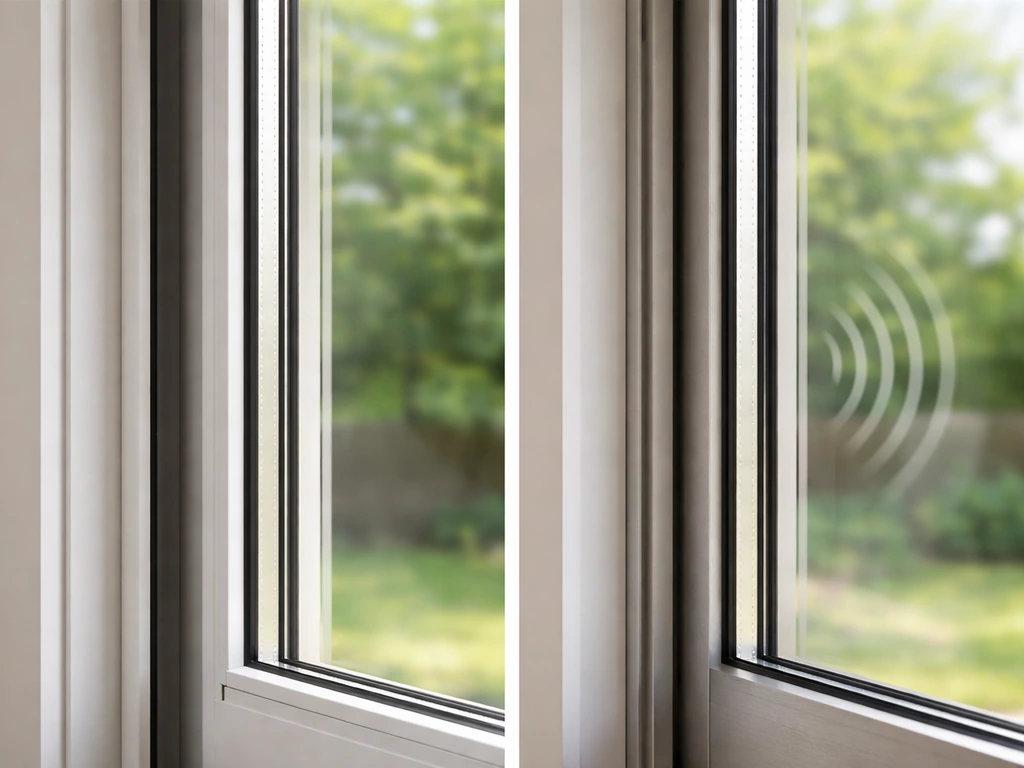
Sound transmission class (STC) ratings for sliding patio doors vary more by glass package and air sealing quality than by frame material. A quality vinyl acoustic sliding door can reach STC 30 to 37 with the right glass build-up and a well-sealed frame. Aluminum sliders in standard configurations test closer to STC 27 in published ratings tables, though premium aluminum units with laminated glass can close that gap. The practical takeaway: if noise reduction matters (you live near a highway, airport, or busy street), focus on the glass specification (laminated glass with an acoustic interlayer is the single biggest upgrade), then confirm the door's air seal quality and weatherstrip compression. Frame material is secondary.
Cost Comparison: What You Actually Pay
Installed costs for a standard 6-foot sliding patio door (72 by 80 inches) typically run in the $1,500 to $5,000 range, with most mid-grade replacements landing somewhere in the middle. A standard vinyl slider with double-pane Low-E and argon glass runs roughly $2,050 to $2,800 fully installed at current national pricing. A comparable aluminum slider is estimated around $2,750 installed for a standard size, with thermally broken or premium aluminum units pushing higher. Buy-only prices for basic entry-level 6-foot units at big-box stores start lower (roughly $300 to $800 for the door alone), but those prices rarely represent what a complete installation with proper flashing, sill pan, and hardware will cost.
| Cost Component | Vinyl Sliding Door | Aluminum Sliding Door |
|---|---|---|
| Door unit (basic, buy-only) | $300–$800 | $400–$900+ |
| Door unit (mid-grade, buy-only) | $800–$2,000 | $1,200–$3,000+ |
| Fully installed (standard 6 ft) | $2,050–$2,800 | $2,500–$4,000+ |
| Thermally broken aluminum premium | N/A | Add $500–$1,500+ over standard |
| Glass package upgrade (Low-E/argon) | +$100–$400 | +$150–$500 |
| Impact glass upgrade | +$500–$1,500+ | +$500–$1,500+ |
Three things drive price beyond the frame material itself. First, the glass package: Low-E coatings, argon fill, triple-pane, or impact laminated glass each add cost but also add real performance. Do not buy down on glass to save a few hundred dollars if you are in a climate where energy or storm performance matters. Second, door size and panel configuration: wider spans, more panels, and pocket-door track systems all add cost. Third, installation complexity: if the rough opening needs modification, if there are rot or structural repairs in the surrounding framing, or if your installer is doing proper sill pan and flashing work (which they should be), expect labor costs to reflect that.
Sizing, Specs, and What to Ask Before You Buy
Before you call a single retailer or contractor, pull out a tape measure. The rough opening (the framed hole in your wall, not the old door frame) is the measurement that matters for ordering. Unit dimensions (the actual door frame size) are smaller than the rough opening by a predictable amount to allow for shimming and leveling, but the relationship between unit size and rough opening varies by door type, sill design, and manufacturer. Get your rough opening height and width confirmed, and confirm with each manufacturer or retailer exactly what unit size fits that rough opening with their system. Do not assume it is standard just because your old door was.
Equally important: check squareness. Andersen's installation guide emphasizes measuring diagonal dimensions of the rough opening to confirm it is square before the door goes in. A door installed in an out-of-square opening will have roller and lock alignment problems almost immediately, and it will never seal properly. This is an installation-quality issue that affects both vinyl and aluminum doors equally.
Here are the specific specs to ask for when comparing products:
- NFRC whole-door U-factor and SHGC for the exact glazing package you are considering, not center-of-glass values
- Frame thickness and whether aluminum units include a thermal break (and what type)
- Glass package details: number of panes, Low-E coating type, gas fill, and spacer type (warm-edge spacers reduce condensation at the glass edge)
- Weatherstripping type and whether it is replaceable
- Track and roller design: what are the rollers made of, what is the track profile, and what is the load rating
- Hardware finish and corrosion rating, especially for coastal installations
- Design pressure (DP) rating: this is the tested structural, air, and water resistance of the whole door assembly
- What sill pan system the manufacturer recommends and whether your installer plans to use one
- Warranty terms by component (frame, glass seal, finish, hardware) and any exclusions for coastal or high-humidity environments
For aluminum doors specifically, ask for the product's architectural specification sheet or technical manual. Pella's Vista Series aluminum sliding door documentation, for example, is structured like a full design manual with door schedule dimensional and performance data per configuration. That is the level of detail you want when spec-checking a premium aluminum unit.
Accessories, Upgrades, and Keeping the Door in Good Shape
Screens, coverings, and storm protection
Both vinyl and aluminum sliding patio doors support standard screen systems. The frame material mostly matters for how the screen frame attaches and how the track is designed. Retractable screens and phantom-style screens work with both, though the screen channel dimensions need to match your specific door unit. If you are adding a storm door over a sliding patio door, note that this changes the air space in front of the glass and can affect condensation patterns.
Some manufacturers note in their warranty language that finish and coating performance can be affected by adding storm doors or other coverings post-install, so check with your manufacturer before adding one. Cellular shades, vertical blinds, and panel track blinds all work well with sliding door openings regardless of frame material.
Lock and security upgrades
If your door came with a basic single-point handle lock, a multi-point lock upgrade is the single most impactful security improvement you can make. Roto's 4-point system and Truth's Sentry multi-point system are both designed for sliding patio doors and add meaningful resistance to forced entry. For both systems, proper engagement (following the multi-point locking maintenance instructions that EnerGuard and others flag as required reading) keeps the lock working smoothly long-term. Add a secondary foot bolt or a security bar in the track as a low-cost backup. For impact zones, the glazing matters more than the lock: impact-rated laminated glass under ASTM F2912 tested standards is what keeps the door intact under wind-borne debris loads.
Maintenance checklist after installation
A sliding patio door does not need much attention, but skipping basic upkeep leads to the most common complaints: stiff operation, drafts, and leaks. Therma-Tru's sliding door warranty covers weatherstripping, bottom sweeps, rollers, and the locking system as long as the door is properly maintained, which is the manufacturer's way of saying that neglected maintenance can void protection on the parts most likely to fail.
- Every 3–6 months: vacuum the track channel and wipe it clean with a damp cloth; debris in the track grinds down rollers faster than anything else
- Every 6 months: lubricate the track with a silicone-based spray (not WD-40, which attracts more dirt); apply the same to rollers, hinges, and lock mechanism
- Annually: inspect weatherstripping and bottom door sweep for compression and cracking; replace if the seal looks flat or torn
- Annually for aluminum: inspect the painted or anodized finish for chips, scratches, or corrosion spots; touch up with matching paint before corrosion spreads
- Coastal homes, every 3 months: rinse aluminum frames with fresh water to remove salt deposits, even if the door looks clean
- Every 1–2 years: check the glass unit edges for any signs of seal failure (fogging or moisture between panes); a failed sealed unit needs replacement before it affects energy performance significantly
- After any major storm: check the sill pan drain and the door threshold for debris blocking drainage; test the lock engagement points for smooth operation
How This Decision Connects to Other Door Material Comparisons
If you are still unsure whether vinyl is the right frame material entirely, it is worth knowing that fiberglass is the other major competitor for homeowners who want better thermal performance than aluminum with more rigidity and finish options than vinyl. If you are comparing vinyl options to vinyl vs fiberglass patio doors, pay extra attention to how the frame material impacts insulation, rigidity, and long-term finish maintenance. Vinyl vs.
fiberglass patio doors is a close call worth exploring if budget allows and you are in an extreme climate. Similarly, if your concern is more about strength and security than energy efficiency, the fiberglass vs. steel door comparison addresses that angle directly.
And if you have already decided on vinyl or aluminum and just want to narrow down specific product lines, dedicated guides on the best vinyl patio doors and best aluminum sliding patio doors can save you research time on individual brands.
The bottom line: for most inland homeowners replacing an older sliding patio door and wanting better energy performance without spending a lot on maintenance, vinyl is the practical, cost-effective answer. If you are on the coast, building a modern home with large glass panels, or need something that handles physical punishment over many years, thermally broken aluminum with an AAMA 2605 finish is worth the additional investment. Nail the glass package and the installation quality (sill pan, squareness, proper weatherstripping compression), and either material will serve you well for decades.
FAQ
If I see “center-of-glass” U-factor on a spec sheet, is that enough to compare vinyl vs aluminum patio doors?
No. Center-of-glass values ignore frame conduction and won’t tell you true heating and cooling impact. Use the NFRC whole-door (sometimes called “whole-unit”) U-factor printed on the door label, then compare SHGC for your climate zone separately from U-factor.
What glazing upgrades matter most if I want aluminum to get closer to vinyl on energy performance?
The biggest levers are a true thermal-break frame plus a higher-performing glazing package, such as Low-E coatings, argon or krypton fill, and multiple panes (double to triple). Even with thermally broken aluminum, if you downgrade the glass to save cost, the whole-door U-factor will usually fall behind a well-built vinyl unit.
How do I know if an aluminum door is “thermally broken” and the break is actually effective?
Ask for the NFRC whole-door U-factor and confirm the door uses an approved thermal-break design, not just a partially isolated component. If the seller cannot provide the NFRC-labeled whole-door number and the SHGC, treat the energy claims as unverified.
Can I place a vinyl or aluminum patio door on the coast if I rinse the frame regularly?
You can, but aluminum needs more specific corrosion resistance. If you choose aluminum within a mile or two of saltwater, look for AAMA 2605 with a 70% PVDF coating, consider anodized options, and plan on periodic rinsing and annual finish inspection. Vinyl usually handles salt and humidity better on the frame itself, but still monitor the track and weatherseal.
Does a darker vinyl frame always warp in hot weather?
Dark colors absorb more heat, so warping risk increases in extreme Sun Belt conditions, especially with direct sun exposure and without proper installation. If you are buying for a very hot, high-sun location, prioritize lighter frame colors and confirm the manufacturer’s heat/warp limits and warranty coverage for your region.
Will aluminum patio doors be noisier than vinyl doors?
Not automatically. Noise performance is driven more by the glass (for example laminated glass with an acoustic interlayer) and the door’s air sealing than by the frame material. If you care about street or aircraft noise, prioritize an acoustic glass package and ask the installer about weatherstrip compression and continuity.
Is a sill pan really required for both vinyl and aluminum sliding doors?
In most proper installations, yes. Sliding patio doors are a common water-intrusion risk point, and a properly installed sill pan plus correct flashing to the rough opening is what contains and drains water that gets past the threshold. If the installer proposes “skipping it,” that is a red flag regardless of frame material.
What should I verify about the rough opening size when replacing an existing patio door?
Measure the framed rough opening, not the old door unit. Then confirm which unit dimensions that particular brand uses for your rough opening, since the relationship varies by door type and sill design. Also verify squareness by measuring diagonals, since an out-of-square opening can cause roller alignment and sealing failures on both vinyl and aluminum.
How can I tell whether my sliding door rollers and track will stay smooth long-term?
Ask what roller system is used and whether wheels are sealed precision bearings. Also verify the track design and cleaning access, because debris buildup and poor threshold leveling lead to dragging or skipping over time. Cheap rollers are a common failure mode on both materials.
What is the best security upgrade for a sliding patio door if I want to resist forced entry?
Upgrade from single-point locking to a multi-point locking system. Multi-point designs engage multiple lock points along the door rail, which helps a lot more than relying on frame material alone. For high wind or impact zones, the glazing impact rating becomes the critical factor too.
If I add a storm door or exterior cover over my sliding patio door, will it affect performance?
It can. A storm door changes the airflow and condensation pattern near the glass, and some manufacturers note that added covers can affect coating or finish performance. Before installing a storm cover, check your door’s warranty language and whether it specifies limits for coverings or enclosed storm configurations.
What ongoing maintenance is most commonly overlooked for both vinyl and aluminum patio doors?
The most frequently neglected items are weatherstrip condition, bottom sweep integrity, and track cleanliness. If operation becomes stiff, you may need roller adjustment or cleaning rather than forcing the door. Also inspect drainage paths near the sill area, since blocked weep holes or debris can lead to leaks.