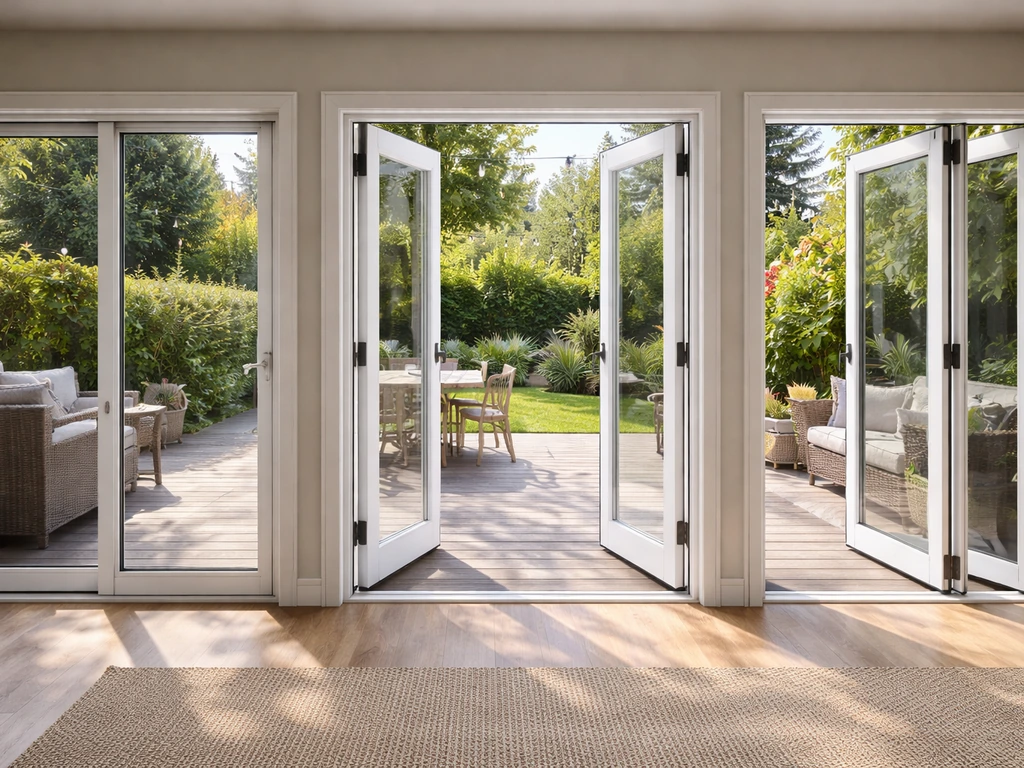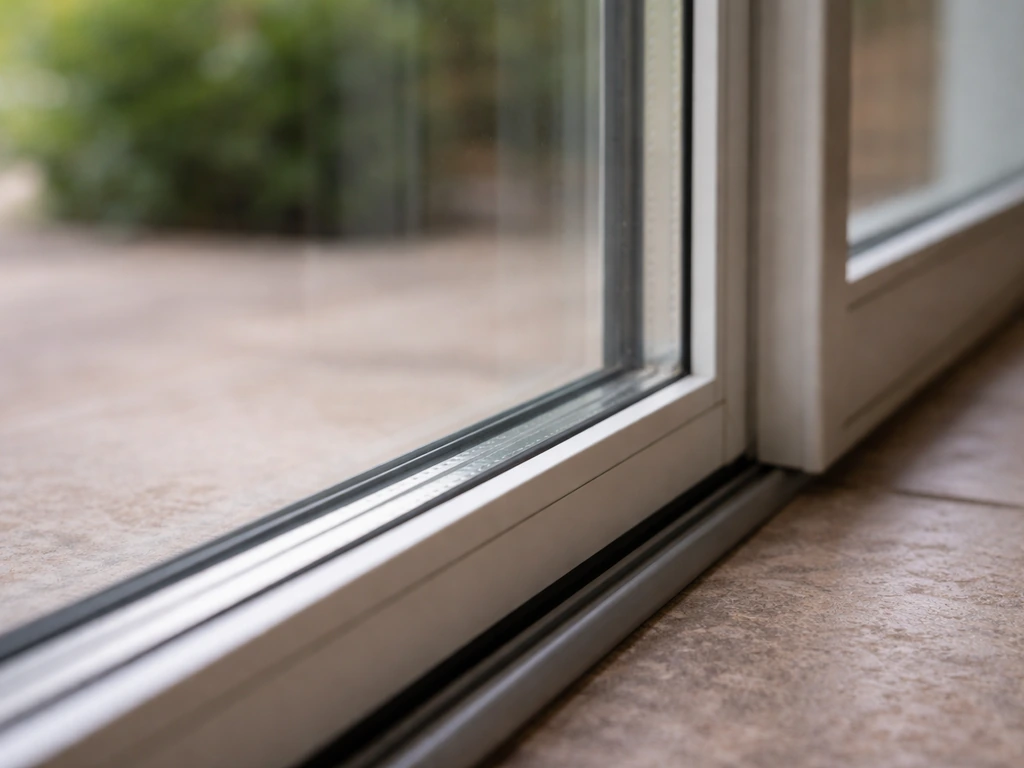
Fiberglass is the best all-around material for patio doors in most homes. It handles temperature swings without warping, holds paint well, insulates better than aluminum, and needs far less upkeep than wood. If you're shopping for French patio doors and want one material that works across climates, maintenance styles, and security needs without a huge premium over vinyl, fiberglass is the one to pick. That said, vinyl wins on pure budget, wood wins on looks, and aluminum has its own niche in mild, dry climates. Here's how to figure out which one is actually right for your situation.
Best Material for Patio Doors: A Practical Guide by Climate

Owen Delaney
2 Jul 2026
Best pick by scenario (start here if you're unsure)
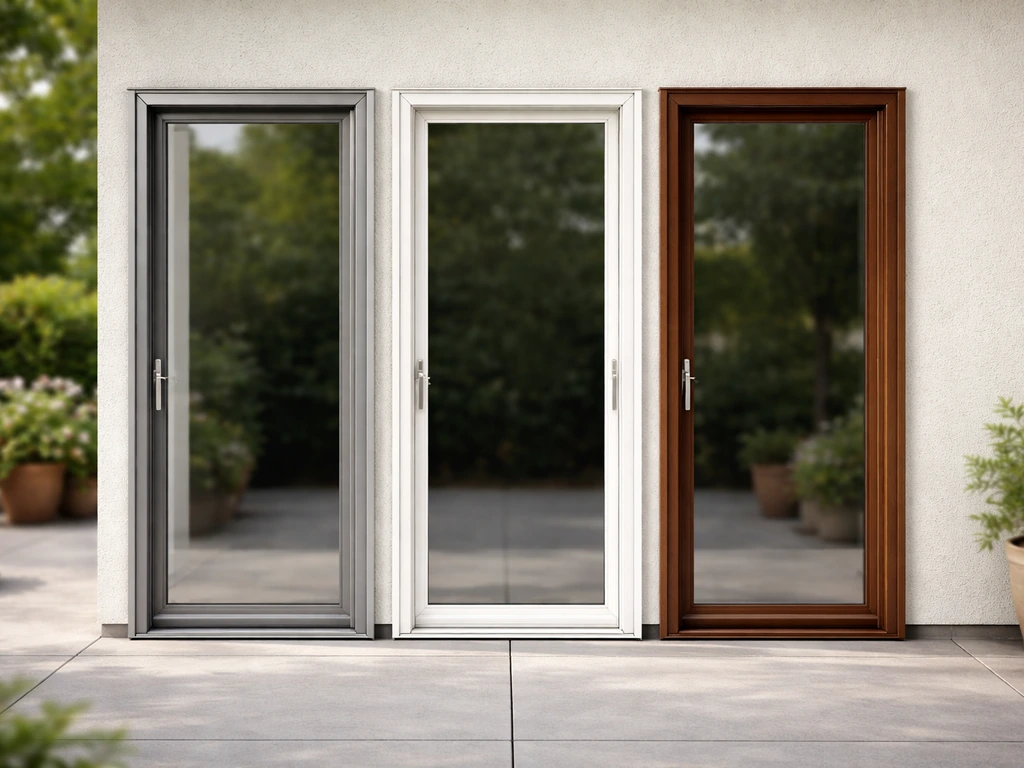
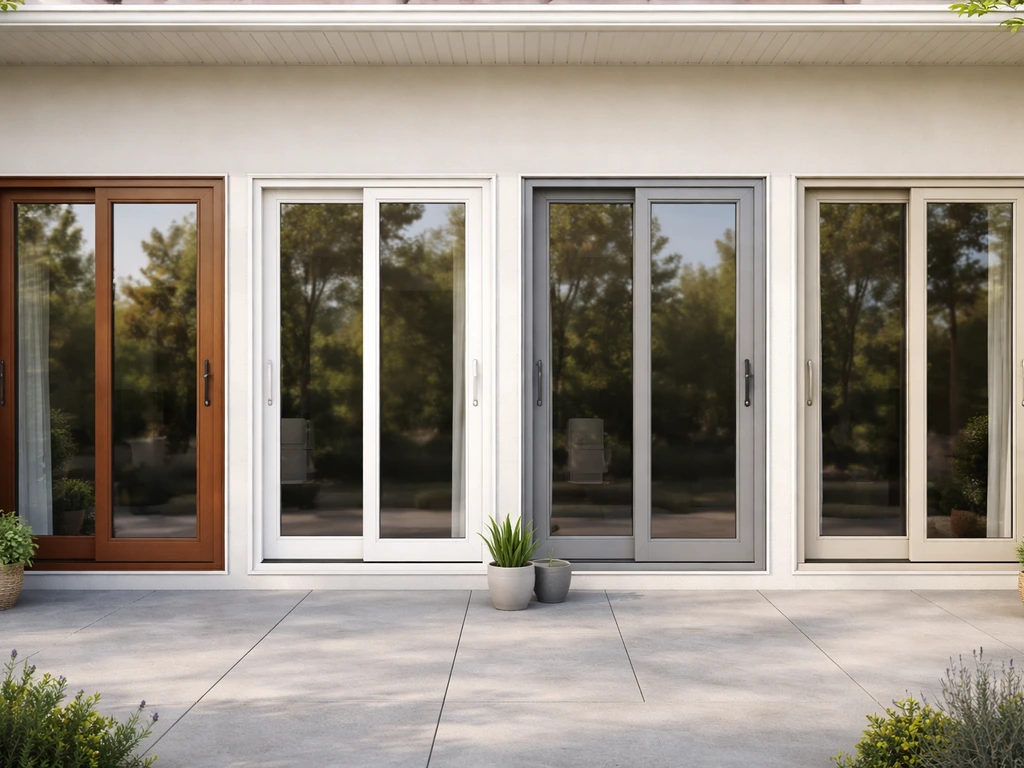
Before getting into the full material breakdown, here's a quick scenario guide. Most people fall into one of these buckets, and knowing which one you are saves a lot of time comparing specs. If you're shopping for the best patio doors UK, start by matching your material to your climate and exposure so you don't end up with performance issues later.
| Your situation | Best material pick | Why it wins here |
|---|---|---|
| You want the best all-around material and don't want to overthink it | Fiberglass | Stable in all climates, low maintenance, strong insulation, good security hardware compatibility |
| Tightest budget, replacing a basic sliding door | Vinyl/PVC | Lowest upfront cost, decent energy performance, no painting needed — just watch quality on cheap units |
| You want the best-looking French patio doors and will maintain them | Wood or clad-wood | Unmatched traditional aesthetics; clad-wood gets you exterior protection with interior wood warmth |
| You live in a hot, dry climate (Southwest US, Southern California) | Aluminum with thermal break | Lightweight, strong frames, slim sight lines — just make sure it has a thermal break to avoid condensation |
| Coastal or high-humidity environment | Fiberglass or vinyl | Both resist corrosion and moisture; avoid steel and untreated aluminum near salt air |
| Extreme cold (northern US, Canada) | Fiberglass or high-quality vinyl | Low thermal expansion/contraction, good U-factor potential — fiberglass edges out vinyl in very cold zones |
| Maximum security priority | Fiberglass or steel (if corrosion-protected) | Rigid frames resist forced entry better; pair with multi-point locking hardware regardless of material |
| Historic home or period-appropriate look | Wood or clad-wood | Required by some HOAs and historic preservation guidelines; no synthetic material replicates it exactly |
Your main material options and what they're actually good at
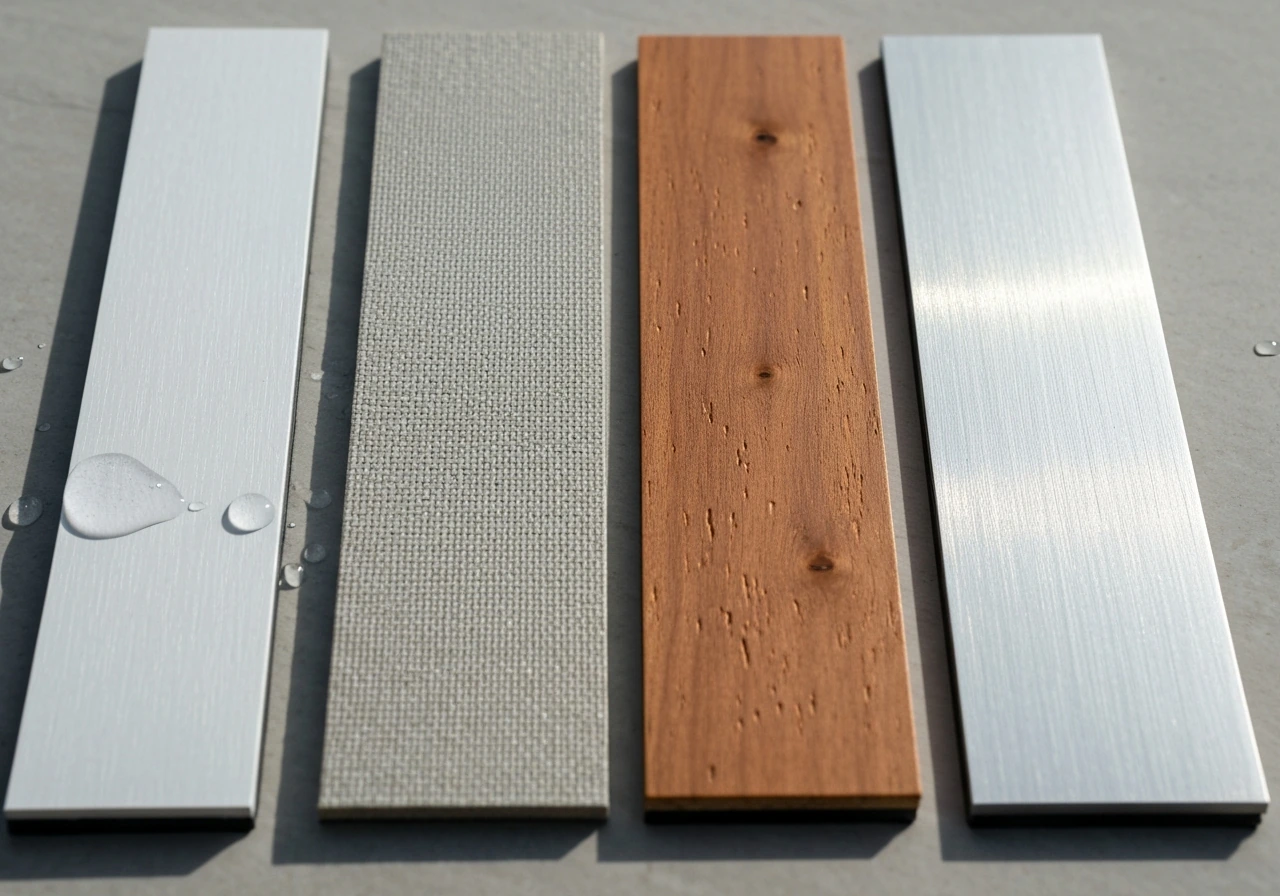
There are six materials you'll realistically encounter when shopping for patio doors today. Each has a genuine use case and a genuine weakness. Here's the honest breakdown.
Wood
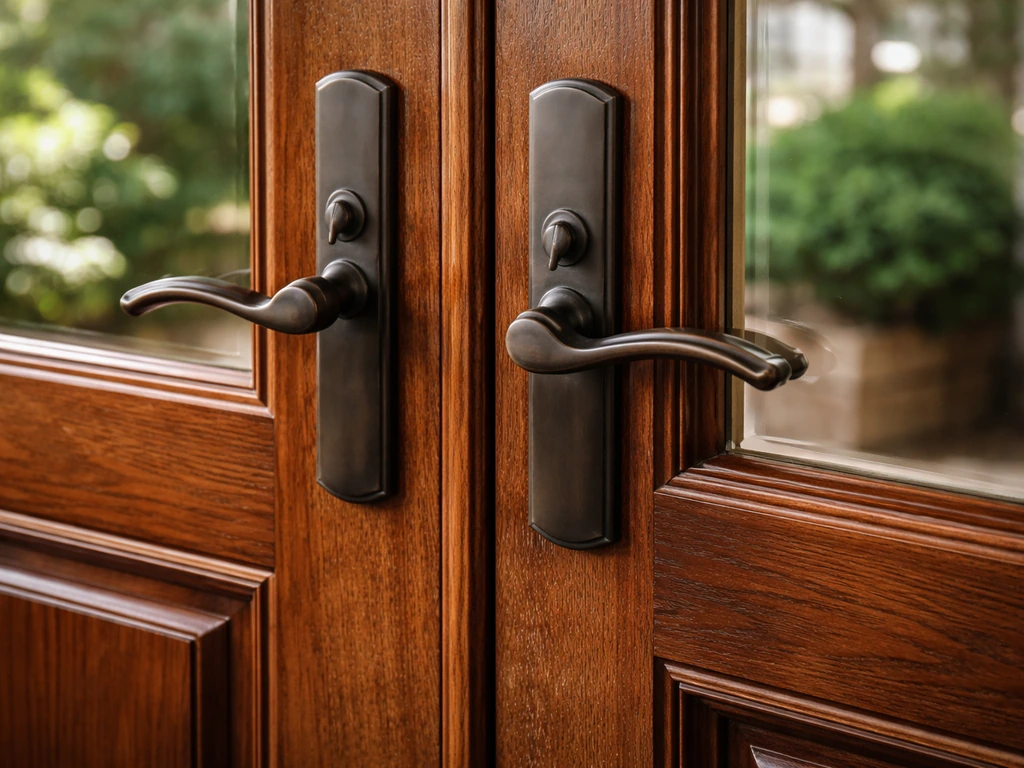
Wood is the classic choice and still the most beautiful option on the market. It insulates well naturally, it's easy to customize with paint or stain, and it gives French patio doors a warmth that no synthetic material quite matches. The tradeoff is maintenance: wood needs periodic repainting or refinishing on the exterior side, and if you let it go, you're looking at rot, swelling, and seal failures.
Pella and Andersen both address this by offering clad-wood products where the exterior face is wrapped in aluminum (Pella calls theirs EnduraClad), giving you the wood look inside while protecting the outside from weather. Clad-wood is genuinely the best of both worlds for appearance-focused buyers who don't want full wood maintenance headaches. Expect to pay $2,500 to $5,000 for a clad-wood French door unit before installation.
Vinyl/PVC
Vinyl is the most affordable patio door material, and it earns its popularity. It doesn't rot, doesn't need painting, and holds up well in moderate climates. A decent vinyl patio door can have a whole-unit U-factor in the 0. 25 to 0.
30 range (comparable to mid-grade fiberglass) when paired with a good glass package. The real risk with vinyl is quality variance: cheap vinyl can warp or sag in extreme heat (think Phoenix summers or very cold Canadian winters), which leads to air leakage and seal problems over time. Premium vinyl from brands like Simonton or Pella is significantly more stable than builder-grade units.
It's also worth knowing that vinyl frames can't be painted, so if you decide later you want a different color, you're somewhat stuck. For budget-conscious buyers replacing a sliding patio door, quality vinyl is a perfectly solid choice.
Aluminum
Aluminum is strong, lightweight, and allows for slim, modern frame profiles that maximize glass area. It's popular in commercial settings and in mild-climate residential applications, especially in the Southwest and in contemporary-style homes. The problem in cold climates is thermal bridging: aluminum conducts heat and cold very efficiently, so without a thermal break (an insulating barrier separating the interior and exterior aluminum faces), the frame becomes a cold radiator in winter, causing condensation and significant heat loss. Always ask for a thermally broken frame if you're buying aluminum in any climate that sees below-freezing temperatures. Anodized aluminum finishes do resist corrosion well, but standard aluminum near salt air is a problem. For coastal homes, it's not the first choice.
Fiberglass
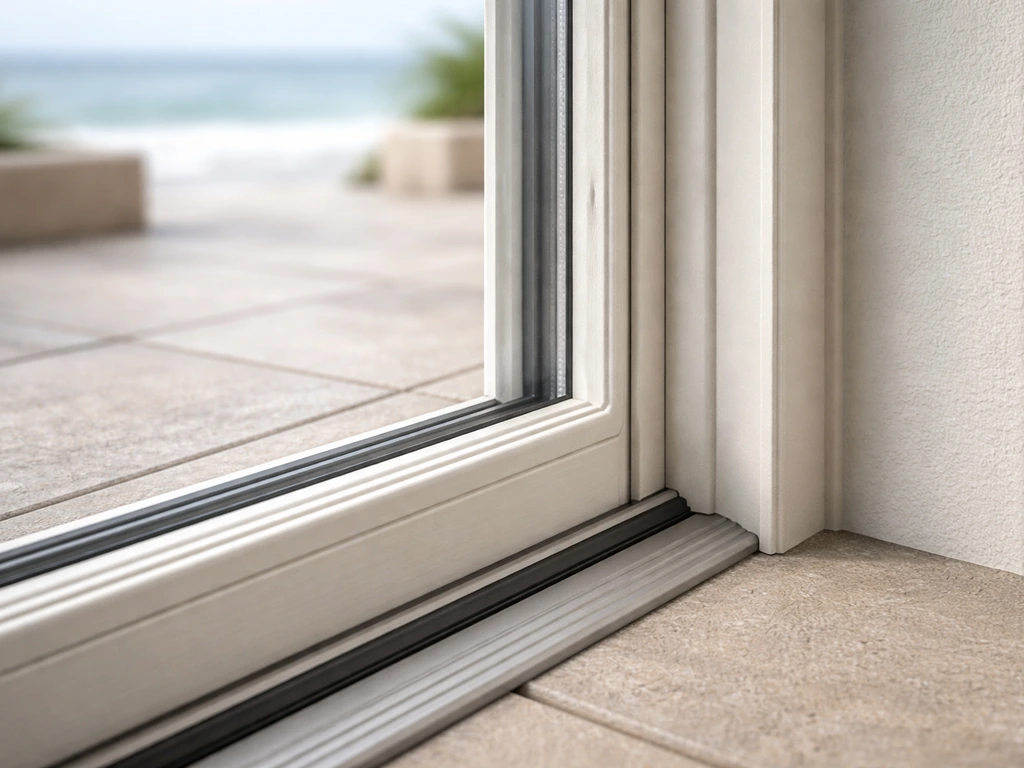
Fiberglass is the material I'd point most homeowners toward in 2026. It has roughly the same thermal expansion rate as glass, which means the frame and the glazing move together through temperature changes, keeping seals tight and frames square over years of use. Pella specifically calls out fiberglass as their go-to for extreme temperature swings, and that's consistent with what installers see in the field.
Fiberglass can be painted (unlike vinyl), takes hardware well, and is dimensionally stable in a way that wood and vinyl aren't. The main barrier is cost: fiberglass French doors typically run $850 to $5,000 depending on configuration, glass package, and brand, which is more than comparable vinyl units. But when you factor in lower lifetime maintenance and better long-term durability, fiberglass often wins the cost-over-time calculation.
Steel
Steel is the strongest frame material by far, and for pure forced-entry resistance, nothing else comes close. The problem is corrosion: steel rusts if the finish is scratched or damaged, and it needs repainting regularly to stay protected. It also dents relatively easily, which creates both cosmetic and structural concerns over time. Steel also has significant thermal bridging issues similar to aluminum, making it a poor insulator unless thermally broken. Given these tradeoffs, steel patio doors are more common in commercial or high-security residential settings than in standard homes. For most homeowners, fiberglass gives you adequate security at much lower maintenance cost.
Composite and engineered materials
Composite and engineered wood frames use a mix of wood fiber, PVC, or polymer materials to mimic wood's appearance while reducing its maintenance demands. They typically resist rot better than solid wood and offer reasonable insulation, though they vary widely by manufacturer. Some composite frames can be painted, which gives them an advantage over vinyl. They sit in a middle ground on cost, usually between vinyl and fiberglass. If you love the look of wood but can't commit to the maintenance and fiberglass is outside your budget, composites are worth a look, especially from established manufacturers with published NFRC ratings.
How climate and exposure should drive your material pick
Climate is probably the single biggest factor that narrows your material choice. What works great in San Diego can fail in Minneapolis, and vice versa.
Cold climates and freeze-thaw cycles
In northern US states, Canada, or anywhere that sees hard winters, your frame material needs to handle repeated freeze-thaw cycles without cracking, warping, or losing its seal. Fiberglass is the top pick here because its thermal expansion coefficient closely matches glass, keeping the door assembly tight year-round. High-quality vinyl with reinforced frames is a reasonable budget alternative. Aluminum without a thermal break is a bad idea in these climates: the frame will conduct cold indoors, cause condensation at the frame edges, and potentially ice up at the sill. Wood can work in cold climates but requires diligent exterior maintenance to prevent moisture infiltration.
Hot climates and intense sun exposure
In hot climates (Southwest US, deep South), your main enemies are UV degradation, thermal expansion, and solar heat gain through the glass. Vinyl can warp in sustained high heat if it's builder-grade; premium vinyl or fiberglass both handle this better. For solar heat gain, the glass package matters more than the frame material: look for a low SHGC (Solar Heat Gain Coefficient) value on the NFRC label. Tempered patio door glass is commonly used because it is stronger and safer than ordinary glass. ENERGY STAR zones for hot climates specify both U-factor and SHGC targets, so use the ENERGY STAR product finder filtered to your climate zone as a starting point.
Coastal and high-humidity environments
Salt air is brutal on metal frames. Steel rusts, and even anodized aluminum can degrade over time near the ocean without diligent maintenance. For coastal homes, fiberglass and vinyl are the clear winners because neither corrodes. If you want aluminum for its slim-frame aesthetics, look specifically for products with marine-grade anodized or powder-coated finishes and a strong maintenance program. Wood near salt air is also risky unless it's clad-wood with a well-sealed exterior aluminum face.
High humidity (non-coastal) and rainy climates
In the Pacific Northwest, Gulf Coast, or other persistently humid areas, moisture management at the frame and threshold matters a lot. Look for doors tested to ASTM E331 (water penetration resistance under static air pressure) or rated under NAFS/AAMA/WDMA/CSA 101 standards, which include water penetration sections. Fiberglass and vinyl frames won't absorb moisture the way wood does, which is a meaningful advantage in these climates. Ask your installer or retailer for the water resistance test performance class on any door you're seriously considering.
Real-life maintenance, durability, and what to expect over 20 years
Manufacturer specs tell one story; what actually happens over 15 to 20 years tells another. Here's what to realistically expect from each material.
| Material | Expected lifespan | Maintenance reality | Main long-term risk |
|---|---|---|---|
| Wood | 30+ years (with maintenance) | Repaint/refinish exterior every 3–7 years; inspect seals annually | Rot, swelling, and seal failure if neglected |
| Clad-wood | 30+ years | Minimal exterior; inspect interior wood and seals | Interior wood still needs occasional attention |
| Vinyl/PVC | 20–30 years (quality-dependent) | Wipe clean; no painting needed | Warping or sagging in extreme temps (cheap units) |
| Aluminum (thermally broken) | 30+ years | Clean tracks and seals; inspect finish for scratches | Condensation if thermal break is absent or degraded |
| Fiberglass | 30–50 years | Repaint every 10–15 years if painted; seal inspection | Very few — one of the most durable materials available |
| Steel | 25–30 years (if maintained) | Repaint when scratched; inspect for rust annually | Corrosion and denting; labor-intensive maintenance |
| Composite/engineered | 20–30 years | Varies by product; generally low | Product quality variance; check manufacturer track record |
Warranty terms often track these durability profiles. Fiberglass doors from major manufacturers frequently come with limited lifetime structural warranties. Vinyl warranties vary widely, premium brands offer longer coverage than builder-grade lines. Wood and clad-wood warranties typically cover defects but exclude damage from inadequate maintenance, so read the fine print. Steel warranties often have shorter terms on finish and rust resistance. Whatever material you choose, register the product after installation and keep your receipts, because warranty claims without documentation are an uphill battle.
Energy efficiency: how to compare specs the right way
This is where a lot of buyers get tripped up. You'll see U-factor values advertised on doors, but not all U-factors are the same number. Some manufacturers list [center-of-glass U-factor](https://www. energycodes.
gov/technical-assistance/faqs/when-entering-doors-comcheck-do-i-use-operable-u-factor-or-caclulated-u), which is always better-looking than the whole-unit U-factor (which includes the frame and edge effects). The NFRC label reports whole-unit U-factor, meaning the entire door assembly including the frame. NFRC 200-2023 includes definitions and area-weighting concepts used to support [whole-unit U-factor](https://nfrccommunity. org/resource/resmgr/ansiprdocs/NFRC200-2023E0A1_Redline.
pdf) calculations and whole-unit versus center-of-glass comparisons in the NFRC rating ecosystem. That's the number you want to compare across products, and it's what ENERGY STAR certification is based on. If a product doesn't have an NFRC label, treat any energy claims skeptically. The DOE recommends using the NFRC label specifically because it gives you a standardized, independently tested whole-door number.
For climate-specific guidance, ENERGY STAR Version 6.0 sets air leakage requirements of 0.3 cfm/ft² or less for sliding patio doors and 0.5 cfm/ft² or less for swinging doors (like French doors), tested per ASTM E283. These are the thresholds you want your door to meet or beat. Beyond air leakage, match your shopping to your climate zone: ENERGY STAR lists certified products by climate zone, and the U-factor and SHGC requirements differ significantly between, say, a northern zone (prioritizes low U-factor for heat retention) and a southern zone (prioritizes low SHGC to block solar heat gain).
| Material | Typical whole-unit U-factor range | Thermal bridging risk | ENERGY STAR achievable? |
|---|---|---|---|
| Wood | 0.25–0.35 | Low (wood is a natural insulator) | Yes, with good glass package |
| Vinyl/PVC | 0.22–0.35 | Low | Yes, widely available |
| Aluminum (no thermal break) | 0.50–0.80+ | High | Rarely — not recommended for cold climates |
| Aluminum (with thermal break) | 0.28–0.45 | Moderate (break reduces it significantly) | Yes, depending on glass package |
| Fiberglass | 0.20–0.32 | Very low | Yes — one of the easiest to certify |
| Steel | 0.35–0.60+ | High without thermal break | Possible with thermal break and good glazing |
| Composite/engineered | 0.25–0.38 | Low to moderate | Yes, with qualifying glass package |
One practical tip: when you get quotes from installers or retailers, ask them to show you the NFRC label for the specific door configuration you're buying, not just the glass unit's center-of-glass value. If they can't produce it or the door isn't NFRC-certified, that's a flag worth taking seriously.
Security, hardware, and weather-sealing: what the material actually controls
Frame material matters for security, but it's not the whole story. Real forced-entry resistance comes from the whole assembly: frame rigidity plus locking hardware plus glazing. NPSA guidance on patio door security specifically calls out a system-based approach, meaning multi-point locking hardware, reinforced frames at the strike point, and security-rated glazing (laminated glass, for instance) all working together. Relying on just one component upgrade is not enough.
That said, frame material does matter for hardware compatibility and rigidity. Fiberglass and steel frames hold multi-point locking systems well and resist frame flex during a forced entry attempt better than hollow vinyl. If you're in a higher-risk area, fiberglass with multi-point locks and laminated glass is a strong combination. For sliding patio doors, the NIJ Standard-0318.00 covers forced-entry testing specifically for sliding glass door units, including locking device stability and meeting stile strength. Look for doors that reference this standard if security is a primary concern.
Weather-sealing performance is also tied to frame stability. Fiberglass and quality vinyl maintain their seal geometry better over time because they don't warp. A warped door frame is a security vulnerability as well as an energy efficiency problem: gaps at the corners and sill are both air leakage points and potential forced-entry points. This is another reason cheap vinyl's potential for warping is a real concern, not just an aesthetic one. Inspect weatherstripping annually regardless of material, and replace it when it shows compression or cracking. Good weatherstripping costs almost nothing and has an outsized impact on both air leakage and comfort.
French patio door material guidance and shopping checklist
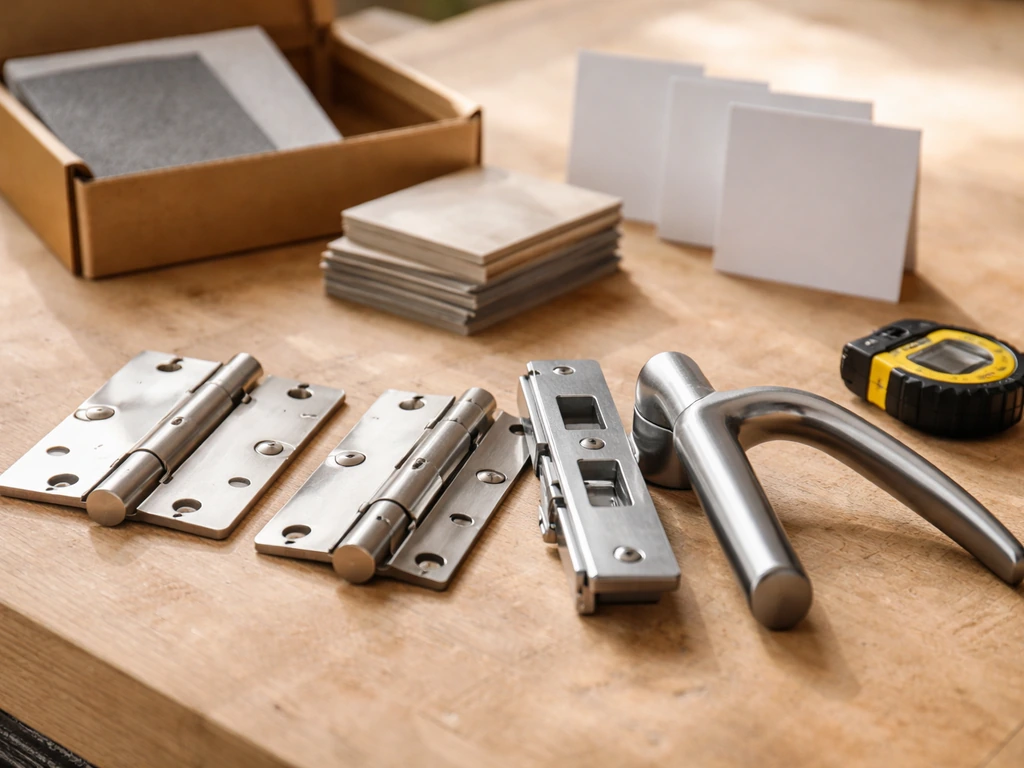
French patio doors have different demands than sliding doors. Because they're hinged and swing open, the frame and slab need to stay square and stable over years of use. A door that warps or settles will become hard to open, lose its seal, and create gaps at the top corners, a classic sign of a lower-quality material or installation. For French doors specifically, fiberglass is the top recommendation, followed by clad-wood if aesthetics are a priority.
If you want the best patio glass doors for everyday use, pay close attention to the glass package as well as the frame material French patio doors. Vinyl is viable if you choose a premium product with reinforced frames. Avoid standard (non-thermally-broken) aluminum and budget steel for French door applications.
Cost context: fiberglass French doors run approximately $850 to $5,000 for the door unit depending on size, glass package, and brand. Clad-wood French doors typically run $2,500 to $5,000 before installation. Installation adds labor costs on top, which vary by region and project complexity. The glass package (double vs triple pane, low-e coating, gas fill) significantly affects both the price and the final U-factor, so don't compare door prices without accounting for the glass spec.
When you're comparing patio door materials for French doors, here's what to look for when shopping. Related topics worth reviewing alongside this decision include the full comparison of best patio door styles, what patio doors are actually made of at the component level, and glass-specific considerations like whether patio door glass is tempered or laminated, all of which affect your overall security and performance picture. If you’re comparing options, the best patio doors tend to balance frame material, glass performance, and security hardware for your exact climate and exposure best patio door styles.
Pre-purchase checklist for patio door material
- Confirm the door has an NFRC label with whole-unit U-factor and SHGC listed (not just center-of-glass values). If it doesn't, ask why.
- Cross-reference the NFRC U-factor and SHGC against the ENERGY STAR requirements for your specific climate zone — use the ENERGY STAR product finder to check.
- For swinging/French doors, verify air leakage is rated at or below 0.5 cfm/ft² (ENERGY STAR Version 6.0 threshold). For sliding doors, the threshold is 0.3 cfm/ft².
- Ask for the water penetration resistance test performance class (ASTM E331 or NAFS/AAMA/WDMA/CSA 101 rating) especially if you're in a rainy or coastal climate.
- For French doors: confirm the frame material is fiberglass, clad-wood, or reinforced vinyl (not standard hollow vinyl) to ensure long-term dimensional stability.
- Check hardware compatibility: does the door accept multi-point locking systems? For security-sensitive applications, confirm laminated glass is available as an option.
- Ask about frame thickness and corner joint construction — thin frames and stapled corners are signs of lower build quality regardless of material.
- Get the warranty terms in writing: what's covered (structural vs. finish vs. glass seal), for how long, and what voids it (e.g., inadequate maintenance on wood, improper installation).
- For aluminum frames in any climate with sub-freezing temperatures: confirm the frame is thermally broken. Ask the retailer to show you the spec sheet.
- If replacing a French patio door in an older home, measure the rough opening carefully and confirm the new unit's frame dimensions — material choice can affect available frame width, which in turn affects your glass area and daylight opening.
Common pitfalls to avoid during replacement
- Buying on price alone: a cheap vinyl unit that warps in two years ends up costing more than a mid-grade fiberglass door that lasts 30.
- Ignoring installation quality: even the best door material fails if the rough opening isn't properly flashed, shimmed, and sealed. A good door with a bad install leaks air and water.
- Comparing center-of-glass U-factors instead of whole-unit U-factors — the whole-unit number will always be higher (worse) and is the only fair comparison across products.
- Assuming all ENERGY STAR-labeled doors perform equally — they don't. The label means they meet the minimum threshold for the zone, not that they're all equivalent.
- Skipping the hardware upgrade: a great door frame with a single-point lock is a security gap. Budget for multi-point locking when you replace any patio door.
- Not asking about the IGU (insulated glass unit) spacer type: warm-edge spacers reduce condensation and improve whole-unit U-factor compared to aluminum spacers.
- For wood and clad-wood: not reading the maintenance requirements before purchase. If you won't realistically repaint or reseal on schedule, pick a different material.
The bottom line: fiberglass wins for most homeowners who want a durable, low-maintenance, energy-efficient patio door that works in nearly any climate. If you want the best results, start by narrowing your options based on climate, security needs, and energy performance, then compare materials side by side patio doors. Vinyl is the right call if budget is the constraint and you choose a quality product.
Wood and clad-wood belong on homes where aesthetics drive the decision and maintenance is a real commitment. Steel is a specialty pick for high-security needs. Start with the NFRC label, match it to your ENERGY STAR climate zone, confirm the frame material works for your specific climate, and insist on multi-point locking hardware. Do those four things and you'll make a solid choice regardless of which material you land on.
FAQ
Is fiberglass always the best material to use for patio doors, or are there exceptions?
Fiberglass is the best all-around pick for most homes, but there are exceptions. If you live in a very budget-driven situation and can reliably buy premium (not builder-grade) vinyl, vinyl can be a better value. If you need maximum forced-entry resistance for a high-risk property, a steel frame with a fully upgraded security package can be worth the added maintenance risk.
What should I prioritize, the frame material or the glass package?
For energy and comfort, glass specs usually matter more than frame material, especially in hot climates where solar heat gain dominates. A low SHGC glass package can outperform a “better” frame. For cold climates, whole-unit U-factor (not center-of-glass) is the key metric to compare.
How do I avoid comparing the wrong efficiency numbers when shopping?
Always compare the NFRC whole-unit U-factor for the exact door configuration, and ignore center-of-glass marketing claims. If a product has no NFRC label, treat any energy performance advertising as unverified. Ask the retailer for the label for the same size and swing type you’re buying.
Are thermally broken frames required for aluminum in every region?
Thermally broken frames are especially important anywhere that sees below-freezing temperatures. In mild climates you may be able to get by without a thermal break, but you should still confirm condensation risk in your specific location. If you see winter condensation at the frame edges, that is a sign the thermal break is inadequate or missing.
Can I paint a patio door frame, and does it depend on the material?
Yes, but it depends. Vinyl frames generally cannot be painted reliably, so changes later may require replacing the door or using surface-specific systems. Fiberglass can be painted, and some composite options can be painted as well, but you should confirm what coatings and prep work the manufacturer approves.
What’s the real difference between sliding and French patio doors in material choice?
French doors are more sensitive to frame and slab stability because they must stay square for smooth operation and consistent sealing. That makes warping risk more noticeable, especially with lower-quality frames. Fiberglass is typically the safer default for long-term ease of use, while premium vinyl can work if the frame rigidity is confirmed.
How important is multi-point locking, and can I upgrade locks after purchase?
Multi-point locking is important because patio security is system-based, frame rigidity plus hardware plus glazing. You can sometimes upgrade locking hardware, but compatibility depends on the frame design and the door slab. When quoting, ask if the door is prepped for the specific lock style (and whether it maintains weather seals after installation).
What should I check for weatherproofing beyond the material type?
Check water penetration testing ratings and the sill and threshold design, not just the frame material. In persistently humid areas, performance depends heavily on how the door handles static pressure water exposure. Ask for any water resistance test class or documented test results for the door you are considering.
How can I tell if vinyl is “good quality” versus likely to warp?
The easiest practical check is whether the unit is from a reputable manufacturer with stability-focused construction (reinforced frames) and whether the seller can provide performance documentation. If the quote is for a builder-grade line with no meaningful specs, assume higher long-term risk in extreme heat or cold. Also verify whole-unit energy performance claims are backed by an NFRC label.
What is the typical warranty gotcha when comparing patio door materials?
Warranties often cover structural defects but exclude problems tied to improper maintenance or damage from neglect. Register the product after installation, keep receipts, and photograph the original condition and installation details. If you might need a claim, confirm what “maintenance requirements” the manufacturer expects (especially for wood and clad-wood exterior faces).
Is tempered glass enough for patio doors, or should I look for laminated glass?
Tempered glass is commonly used for safety, but security often improves with laminated glass because it resists forced-entry attempts better when broken. If security is a priority, treat glazing choice as part of the whole system, not as an add-on after the fact. Ask the dealer what glass type and thickness the door includes, not what could be “available”.