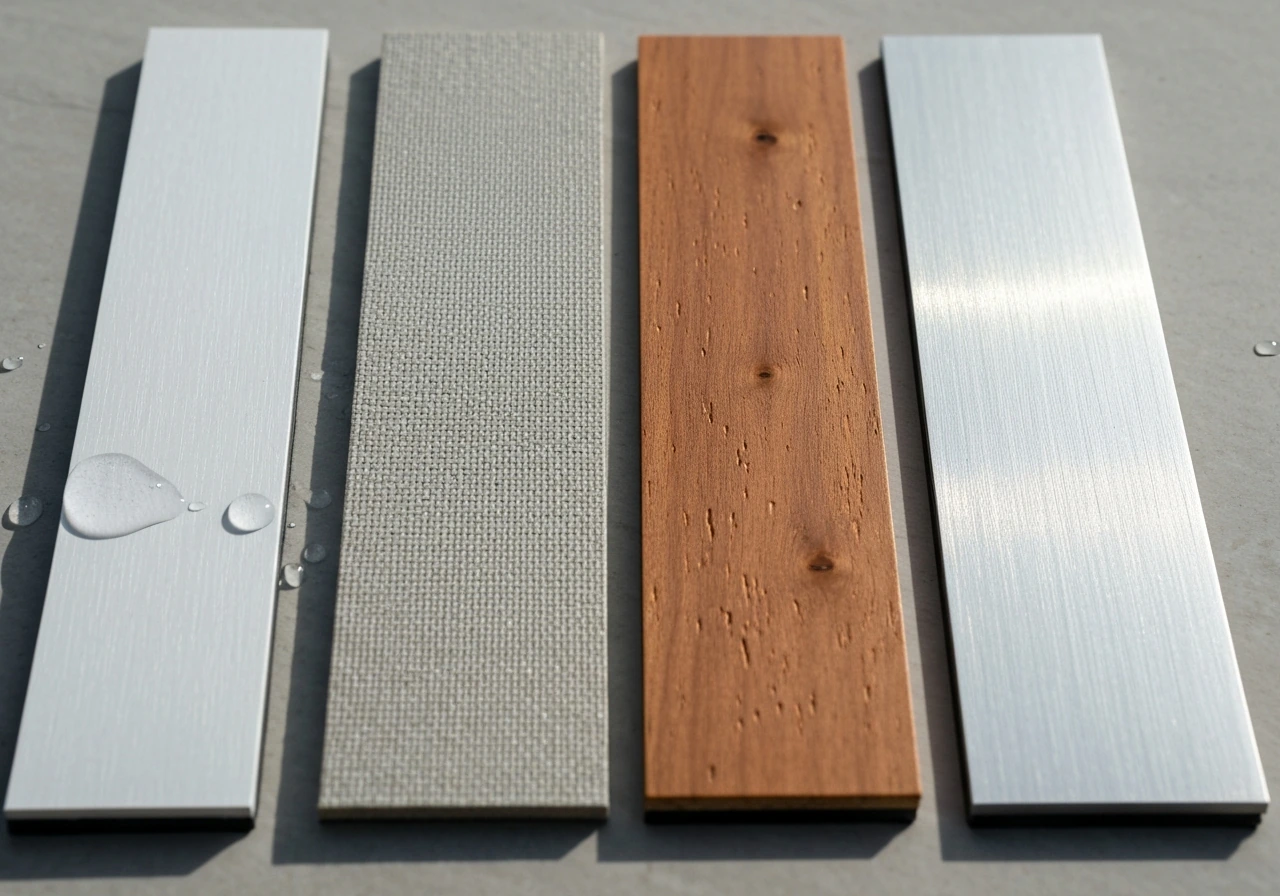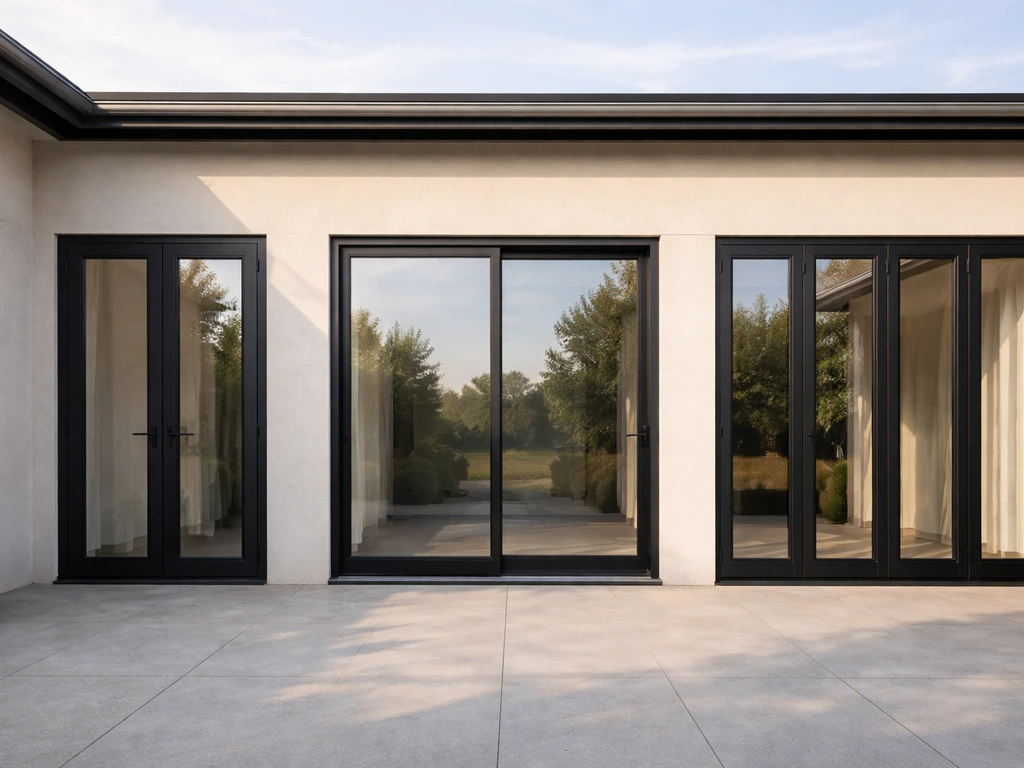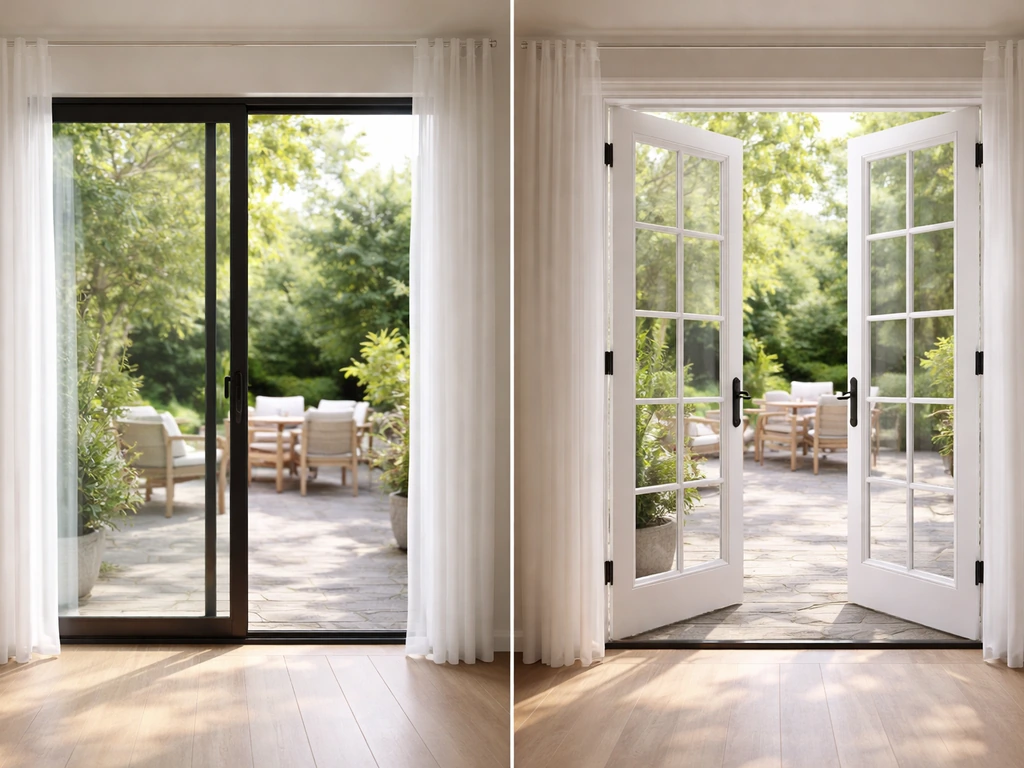
Yes, patio door glass is almost always tempered by default in modern doors sold in the US, Canada, and the UK. Building codes in all three regions require safety glazing in doors and adjacent hazardous locations, and fully tempered glass is the most common way manufacturers meet that requirement. If your patio door was built after the 1970s and purchased from a reputable manufacturer, there is a very high probability the glass panels are tempered. That said, "almost always" is not "always," so if you are replacing a pane, buying an older home, or considering a glass upgrade, you still want to verify what is actually installed before ordering anything. Choosing the best patio doors UK manufacturers also means checking that the glazing meets recognized safety standards, not just the door frame design.
Is Patio Door Glass Tempered? How to Verify Today

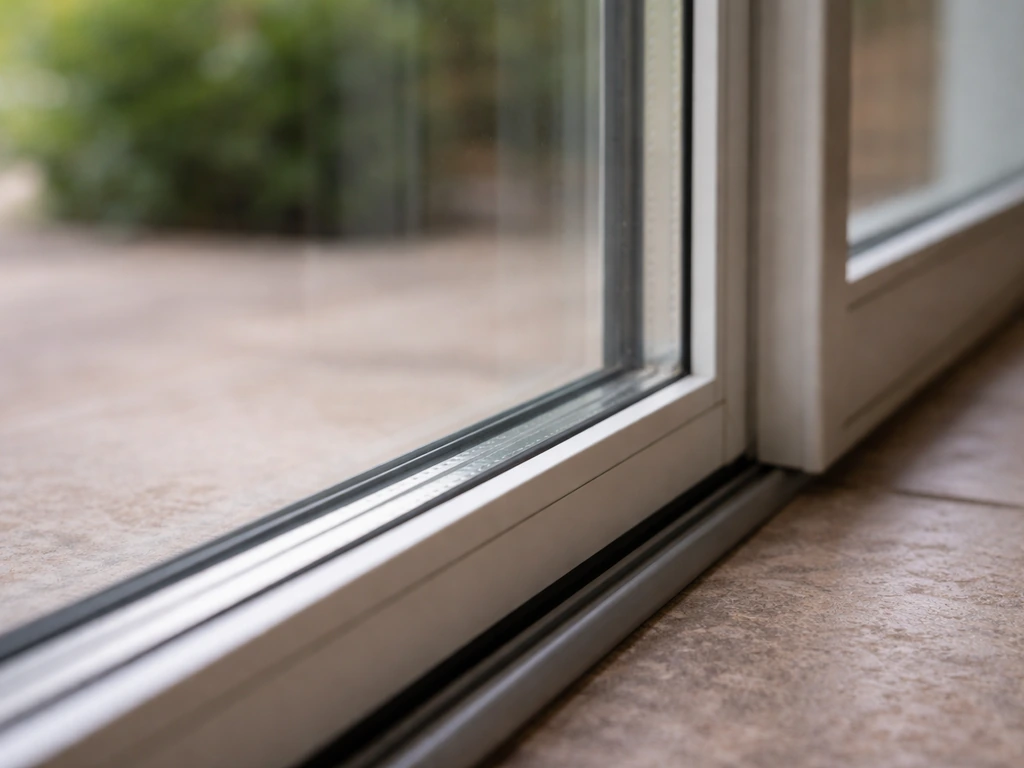
Are patio doors required to have tempered glass?
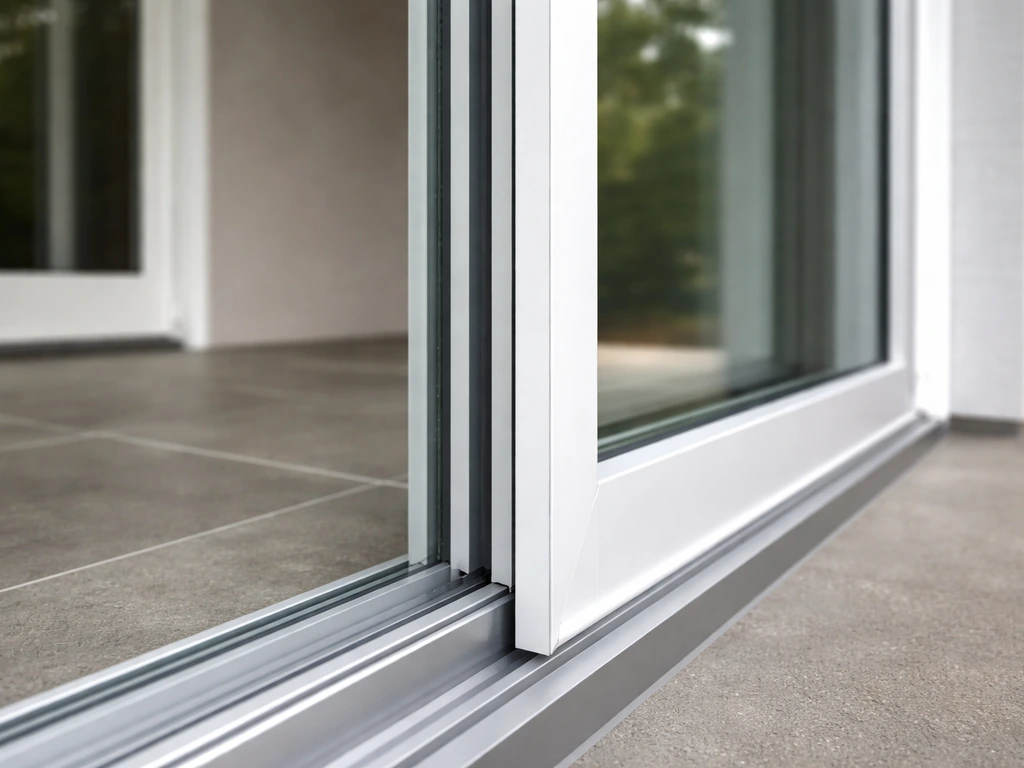
In the US, the International Residential Code (IRC Section R308) and the International Building Code (IBC Section 2406) both require safety glazing in what the codes call "hazardous locations." Sliding glass doors, French patio doors, and bifold door systems all fall squarely into that category. The code does not mandate that the glass be tempered specifically, but it does require that the glass meet a recognized safety-glazing standard, specifically ANSI Z97.1 or CPSC 16 CFR Part 1201. Fully tempered glass satisfies both of those standards. In Canada, the equivalent standard is CAN/CGSB-12.1, which covers both tempered and laminated safety glazing. In the UK, BS EN 12600 sets the safety-glass performance criteria for door glazing.
The practical takeaway is that code compliance, rather than manufacturer preference, is the main driver of why patio door glass is tempered. Because sliding patio doors, French doors, and bifold systems all involve large glass panels near walking surfaces and door hardware, they trigger the safety-glazing requirement every time. To choose the best patio glass doors, make sure the glass type meets your safety-glazing requirements and matches what your existing door is using. Manufacturers building to code use tempered glass because it is the simplest, most cost-effective way to pass.
Tempered glass vs. other safety glass options
Not all safety glass is tempered, and the difference matters if you are ordering a replacement pane. Here is a plain-English breakdown of the options you are likely to encounter on a patio door.
| Glass Type | How It Breaks | Safety Glazing Qualified? | Common Patio Door Use |
|---|---|---|---|
| Fully tempered | Shatters into small, relatively blunt fragments | Yes (ANSI Z97.1 / CPSC 16 CFR 1201) | Standard on most sliding, French, and bifold doors |
| Heat-strengthened | Breaks into larger pieces, similar to annealed | No (does not meet ANSI Z97.1 alone) | Sometimes used in IGU outer lites; not a standalone safety glass |
| Laminated | Cracks but stays in the frame (interlayer holds pieces) | Yes (when meeting applicable standards) | Hurricane zones, high-security, some premium doors |
| Annealed (standard float) | Breaks into large, sharp shards | No | Should not be in door panels; only in very old or non-compliant doors |
| Low-E / insulated (IGU) | Depends on the glass type within the unit | Depends on inner/outer lite specification | Standard on energy-efficient patio doors; outer lite is typically tempered |
The most important distinction to understand is between fully tempered and heat-strengthened glass. Heat-strengthened glass is stronger than standard annealed glass, but it does not fragment the same way tempered glass does, and it does not qualify as safety glazing under ANSI Z97.1 or CPSC 16 CFR Part 1201 on its own. Only fully tempered glass meets those residential safety-glazing standards for door applications. General Glass’s tempered glass product notes that tempered safety glazing meets ANSI Z97.1/CPSC 16 CFR 1201 requirements and breaks into small fragments. If someone quotes you "heat-strengthened glass" as a direct replacement for a patio door panel without additional lamination, that is a red flag worth questioning.
Laminated safety glass is the other common alternative, especially in coastal areas, hurricane zones, or homes where security is the primary concern. Instead of shattering into pieces, laminated glass cracks but the interlayer (usually polyvinyl butyral, or PVB) holds everything together. Patio doors are commonly made with tempered or laminated safety glass, but the exact material depends on the frame type and the panel construction. This is why some premium patio doors advertise impact-rated or forced-entry-resistant glazing. The IRC also notes that if you are using fully tempered or heat-strengthened glass in certain overhead or skylight configurations, you may need a retention screen, but that requirement is typically waived when laminated glass meeting the relevant specs is used instead. For standard vertical patio door panels, a retention screen is not typically part of the conversation.
How to tell what glass you actually have
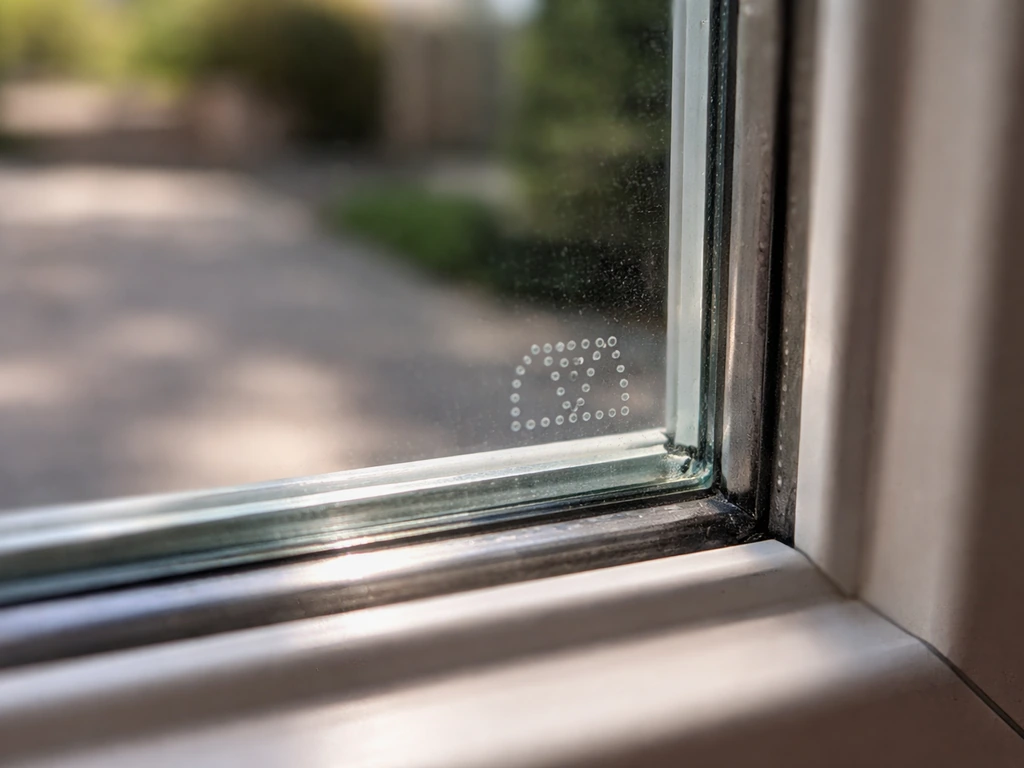
The most reliable way to identify whether your patio door glass is tempered is to look for the manufacturer's mark in one of the corners of the pane. In the industry this is called the "bug" or stamp, and it is typically etched, sandblasted, or ceramic-printed directly into the glass. IBC Section 2403.1 actually requires that each pane carry a permanent manufacturer's mark designating the glass type and thickness, and ANSI Z97.1 reinforces this with permanent marking requirements for safety-glazing materials. So if the glass was installed correctly, the evidence should be right there on the pane.
Here is what to look for in practice:
- Go to a corner of the glass panel, usually the bottom corner on the latch side. Look for a small etched or printed label, often about the size of a postage stamp.
- The mark typically includes the manufacturer's name or logo, the glass type ("T" or "TEMP" for tempered, sometimes "FT" for fully tempered), and a thickness designation.
- You may also see a certification mark referencing ANSI Z97.1, CPSC 16 CFR 1201 Category I or II, or in Canada, CAN/CGSB-12.1.
- Use a flashlight at an angle in bright light. On older doors the mark can be faint, especially if it was etched rather than printed.
- On an IGU (double-pane unit), you may need to check both the interior-facing surface of the outer lite and the outer-facing surface of the inner lite. The mark is usually on the #1 or #4 surface (outermost faces).
- If the door has a frame that covers the corners, you may need to gently feel along the glass edge or look from the exterior side with a strong light.
One important caveat: the absence of a visible stamp does not automatically prove the glass is not tempered. Marks can be very faint, positioned behind framing, or in rare cases may have been missed during manufacturing. However, if you cannot find any mark, do not assume the glass is safe to treat as tempered for replacement or code-compliance purposes. Instead, contact the door manufacturer with your door's model and serial number (usually on a sticker inside the frame or on the door rail), and they can confirm the glass specification.
Situations where patio door glass might not be tempered
There are real-world scenarios where the glass in a patio door is not tempered, and they are more common than you might expect.
- Old doors: Homes built before the 1970s or early 1980s may predate modern safety-glazing requirements. Standard annealed glass was common in sliding doors of that era.
- Replacement panes done incorrectly: If a pane was replaced by a handyman or non-certified glazier using whatever glass was available, it could be annealed or heat-strengthened rather than tempered.
- Sidelites and transom panels: The large sliding panel of a patio door is almost always tempered, but narrow sidelite panels or transom windows flanking the door unit are sometimes specified differently by manufacturers, depending on their proximity to the door opening and floor.
- Custom or DIY-installed doors: Patio doors assembled from components or sourced from non-standard suppliers may not meet local code requirements.
- Heat-strengthened outer lites in IGUs: Some insulated glass units use heat-strengthened glass on the outer lite for flatness (heat-strengthened glass bows less than fully tempered glass), with the inner lite being fully tempered. The unit as a whole may still be code-compliant depending on the configuration, but this can be confusing when ordering replacements.
- Decorative or grille inserts: Doors with internal grilles or decorative patterns sometimes use different glass specifications, so always verify those panels separately.
If you are buying an older home and the patio door looks original, it is worth having a glazier take a look before you assume the glass is compliant. A quick inspection takes about 20 minutes and can save you from a nasty surprise if a panel breaks.
What to do if you need a replacement pane or an upgrade

Replacing a patio door pane is not as simple as ordering "tempered glass cut to size. If you are shopping for the best patio doors, you will also want to compare the glass type, safety standards, and options like tempered, laminated, and impact-rated glazing. " Remember: once glass is tempered, it cannot be cut, drilled, or ground without shattering. Every pane has to be ordered at the exact final dimensions from the factory. This means you need accurate measurements before you order anything, and you need to know the full IGU specification if you are replacing a double-pane unit.
Here is what to gather before you call a glazier or door supplier:
- Exact dimensions of the pane (height and width to within 1/16 of an inch, measured from inside the frame rabbet, not the visible glass area).
- Overall IGU thickness if it is a double-pane unit (measure the edge of the unit, which tells you the total stack including spacer and both lites).
- The glass type of both lites if you can read the corner marks. Photograph the marks and send them to your supplier.
- The spacer type if visible. Warm-edge spacers (foam, silicone foam, or structural silicone) look different from aluminum spacers. Matching the spacer type affects the unit's thermal performance and your window or door warranty.
- Any coating markings. Low-E coatings are usually noted on the corner stamp (e.g., "LoE" or a specific brand name). Replacing a Low-E IGU with a clear glass unit will noticeably change the door's energy performance.
- The manufacturer and model of your door, which is your fastest path to getting the exact factory specification.
When you call a supplier, ask these specific questions: Is the replacement pane fully tempered, not just heat-strengthened? Does it meet ANSI Z97.1 and CPSC 16 CFR Part 1201? Will the new pane carry the required manufacturer's mark? If you are in Canada, ask for CAN/CGSB-12. In practice, comparing options for the best patio doors in Canada starts with confirming that the glazing meets the Canadian safety standard CAN/CGSB-12. 1 compliance. If you are in the UK, ask for BS EN 12600 compliance. A reputable glazier will answer these without hesitation.
If you are considering an upgrade rather than a like-for-like replacement, this is a good time to think about laminated glass, upgraded Low-E coatings, or impact-rated glazing. These options affect cost significantly but can also improve security and energy performance in ways that tempered-only glass cannot. The best patio door materials guide on this site covers those trade-offs in more detail if you are weighing a full door replacement rather than just a pane swap. If you want to compare options, the best patio door materials depend on whether you prioritize security, energy savings, or impact resistance.
Cost, timing, and who can actually verify your glass
A single replacement IGU pane for a standard sliding patio door typically runs between $150 and $400 for the glass itself, depending on size, Low-E coating, and spacer type. Add $75 to $200 for a glazier's labor to remove the old unit and install the new one. If you have a larger bifold or multi-panel system, costs scale up quickly because each panel is a separate unit. Budget two to four weeks from order to installation for a custom-cut tempered IGU replacement, since these are made to order at a factory, not cut from stock.
For verification of what glass you currently have, here is who can help and what each option costs you:
| Who to Contact | What They Can Tell You | Typical Cost | Best For |
|---|---|---|---|
| Door manufacturer (model/serial lookup) | Exact factory glass spec, IGU construction, coating type | Free (phone or online) | Doors under 15 years old with readable serial numbers |
| Certified glazier (on-site inspection) | Physical identification of glass type, condition of seals, measurement for replacement | $75–$150 service call | Older doors, faint/missing stamps, or pre-purchase inspections |
| Glass supplier / glazing shop | Can often ID glass type from photos of the corner stamp; will quote replacement | Free (part of quote process) | When you are already planning a replacement |
| Building inspector | Can confirm whether current glazing meets local code requirements | Free to low-cost, varies by municipality | If you are planning a renovation or selling the home |
If you are shopping for a new patio door and want to understand what glass options are available across door types, including how glass specification differs between sliding, French, and bifold systems, that is worth exploring alongside the broader question of which patio door material and style suits your home. If you are comparing options, it also helps to review the best patio doors so you know which door types and glass packages perform best for your home. Glass type is just one part of the spec sheet, and the best patio door for your situation depends on how all those variables interact with your climate, budget, and how you use the space.
Bottom line: photograph the corner of your existing pane today, call your door manufacturer if the mark is unclear, and never order a replacement pane without the full IGU spec in hand. When deciding on patio door materials, the goal is to balance safety glass requirements with durability and insulation so the door performs well over time. A 10-minute check now saves you from receiving a pane that does not fit, does not match the thermal performance of the rest of the door, or worse, does not meet code.
FAQ
How can I tell the difference between tempered and laminated glass if there is no obvious stamp?
Look for the surface pattern and behavior clues. Laminated glass often shows a visible film edge at the spacer area and, when damaged, it tends to crack and stay stuck in place instead of breaking into small cubes. For a definite answer, ask the manufacturer or glazier to confirm the IGU and interlayer specs using your door model and serial number.
Can I use heat-strengthened glass as a replacement pane for tempered patio door glass?
Usually no. Heat-strengthened glass is not a direct substitute for fully tempered safety glazing under the residential door safety-glazing rules. If a supplier offers heat-strengthened as “equivalent,” confirm it meets the relevant safety standard and ask whether it carries the required permanent marking for safety-glazing acceptance.
If the glass is tempered, can it be cut or drilled after purchase to fit my door frame?
No. Tempered safety glass cannot be safely cut, drilled, or modified after it is tempered. Any custom fit must be achieved by ordering the pane (or the full IGU) to the exact final dimensions, using the original manufacturer’s specs and gasket, spacer, and thickness requirements.
What if my patio door is double-pane, how do I know whether only one pane is tempered?
In many patio doors, the unit is an IGU (insulated glass unit) where one or both panes may be tempered depending on the door design. Your best clue is the IGU marking and thickness marking, not just the glass corner bug. When ordering, request the complete IGU specification (glass types, coatings, spacer type, and overall unit thickness), not “tempered glass only.”
Is a missing corner mark enough to assume the glass is not tempered?
Not always, but it is enough to stop and verify. Marks can be faint or obscured by framing. If you cannot locate a permanent manufacturer marking, do not rely on “it looks safe,” instead contact the door manufacturer with the model and serial number and ask for the glass type documentation.
Where on the glass should the manufacturer stamp usually be located?
Typically in one of the corners on the pane, often etched, sandblasted, or ceramic-printed. However, the location can be partially hidden once the pane is installed, especially behind gaskets or trim. Photograph multiple corners from different angles, and try side lighting to reveal faint marks.
Do patio doors made for impact resistance always use laminated glass?
Not always. Some impact-rated systems use laminated glass, but others combine laminated components with specific tempered/heat-strengthened configurations. If your goal is impact resistance, ask for the performance rating details and the exact safety-glazing construction, not just the marketing term “impact-rated.”
What should I ask a supplier if I’m replacing a single pane vs the entire IGU?
Ask whether they can supply a single matching pane without changing the spacer/coating setup, or whether they require replacing the entire IGU. Also request confirmation of: fully tempered vs heat-strengthened, the safety-glazing standard compliance, the interlayer type if laminated is involved, and that the replacement will match the existing Low-E coating orientation.
How do I measure correctly for a replacement if my door uses gaskets or structural glazing?
Do not measure “glass size” by guessing from the frame opening. Measure the existing IGU dimensions and note gasket/groove details, because different systems require different clearances. If the door uses channel glazing or different gasket profiles, a small measurement error can cause seal failure or glass fit issues, even when the safety glass type is correct.
If I’m upgrading my patio door glass, what’s the typical decision order for safety, energy, and security?
Start with compliance and safety-glazing construction (fully tempered vs laminated, based on your door type and code requirements). Next, choose energy features like Low-E coatings and spacer type to match the rest of the unit. Finally, decide security or impact upgrades, such as laminated or impact-rated options, since these can change both cost and installation requirements even if the glass is already tempered.