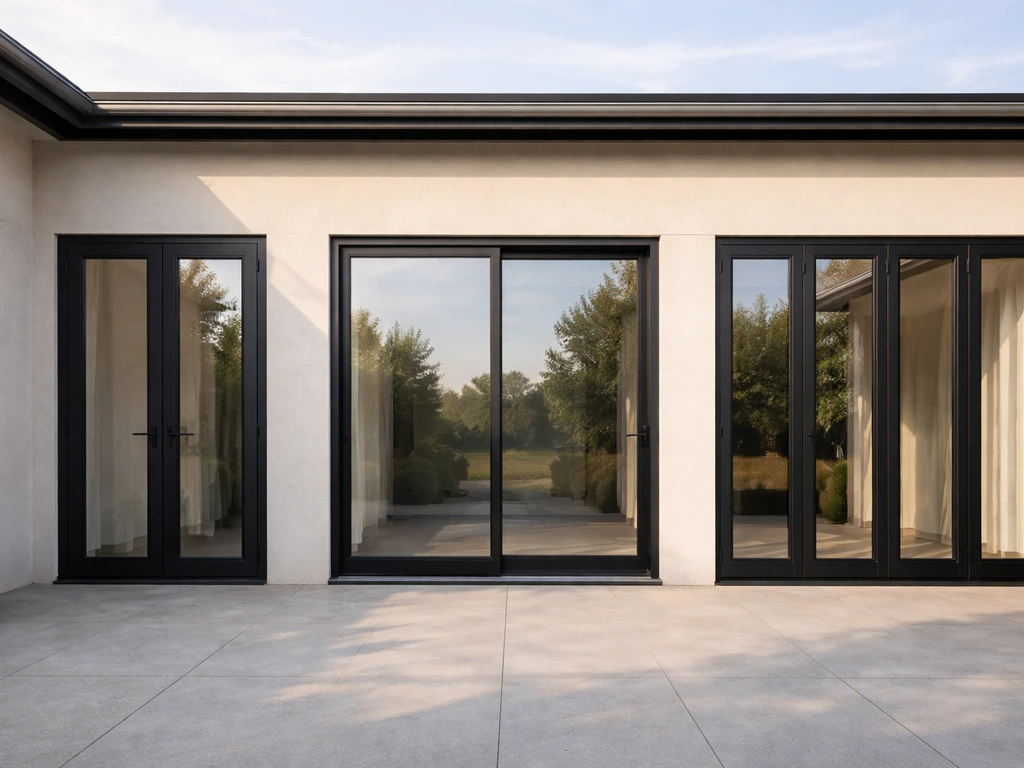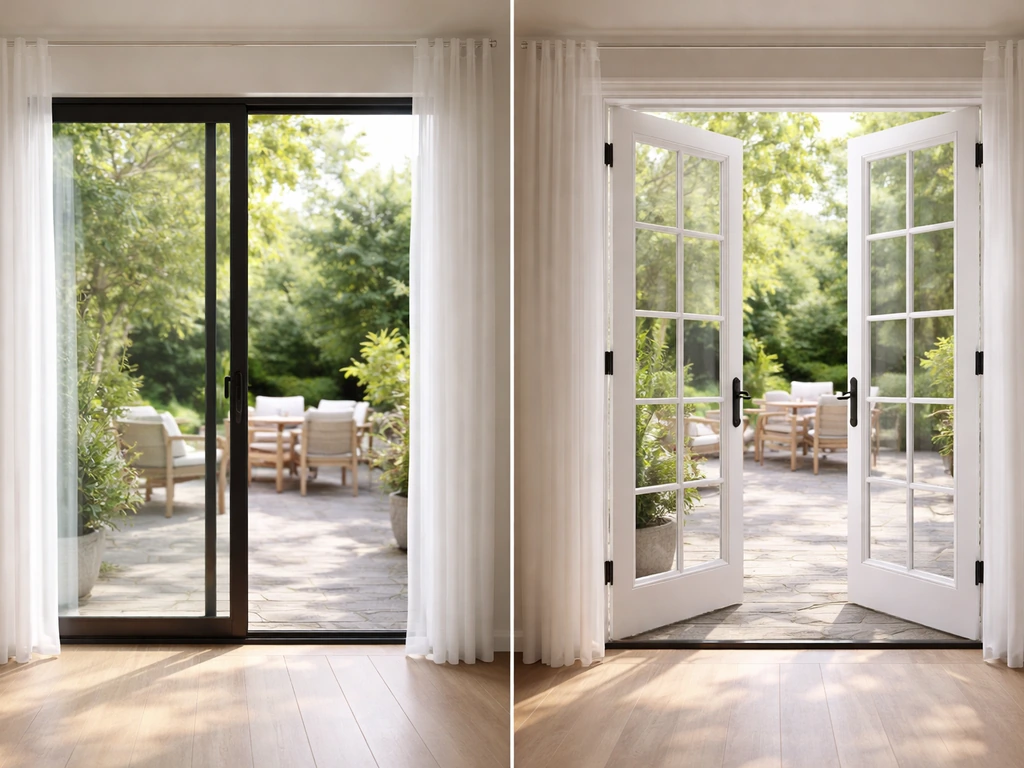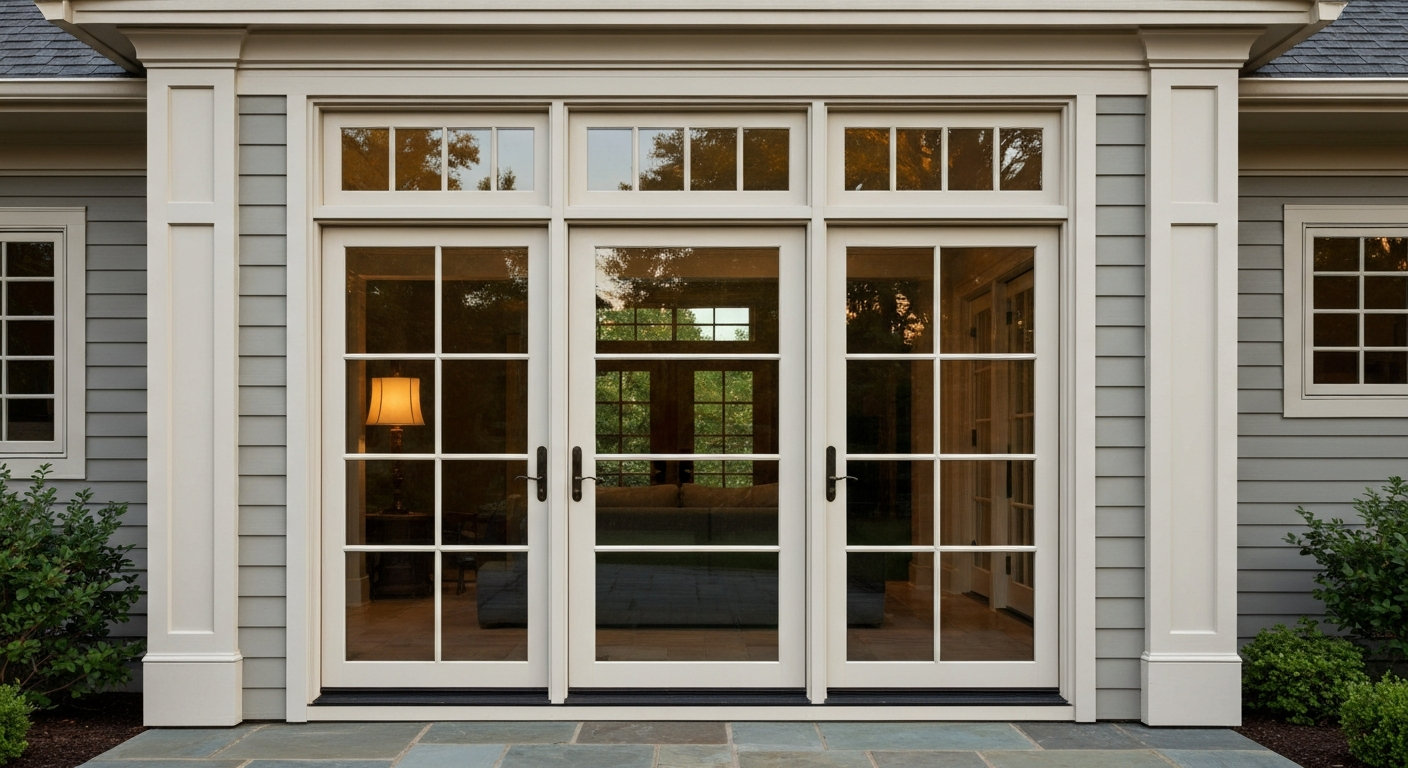
For most homeowners, fiberglass is the best patio door material overall. It outperforms vinyl on durability and dimensional stability, beats wood on maintenance, and surpasses standard aluminum on energy efficiency, all without demanding a luxury budget. That said, vinyl is the smarter pick if cost is your primary concern, wood wins when interior aesthetics matter most, and thermally broken aluminum is hard to beat for large sliding or bifold openings where structural strength is the priority. Which one is right for you comes down to your climate, your door style, and how much upkeep you're willing to do. When choosing patio doors, it helps to know what the frame and glass components are made of and how those materials affect performance what are patio doors made of.
Best Patio Door Material: Vinyl, Fiberglass, Wood, Aluminum Compared

My short-list by budget and climate
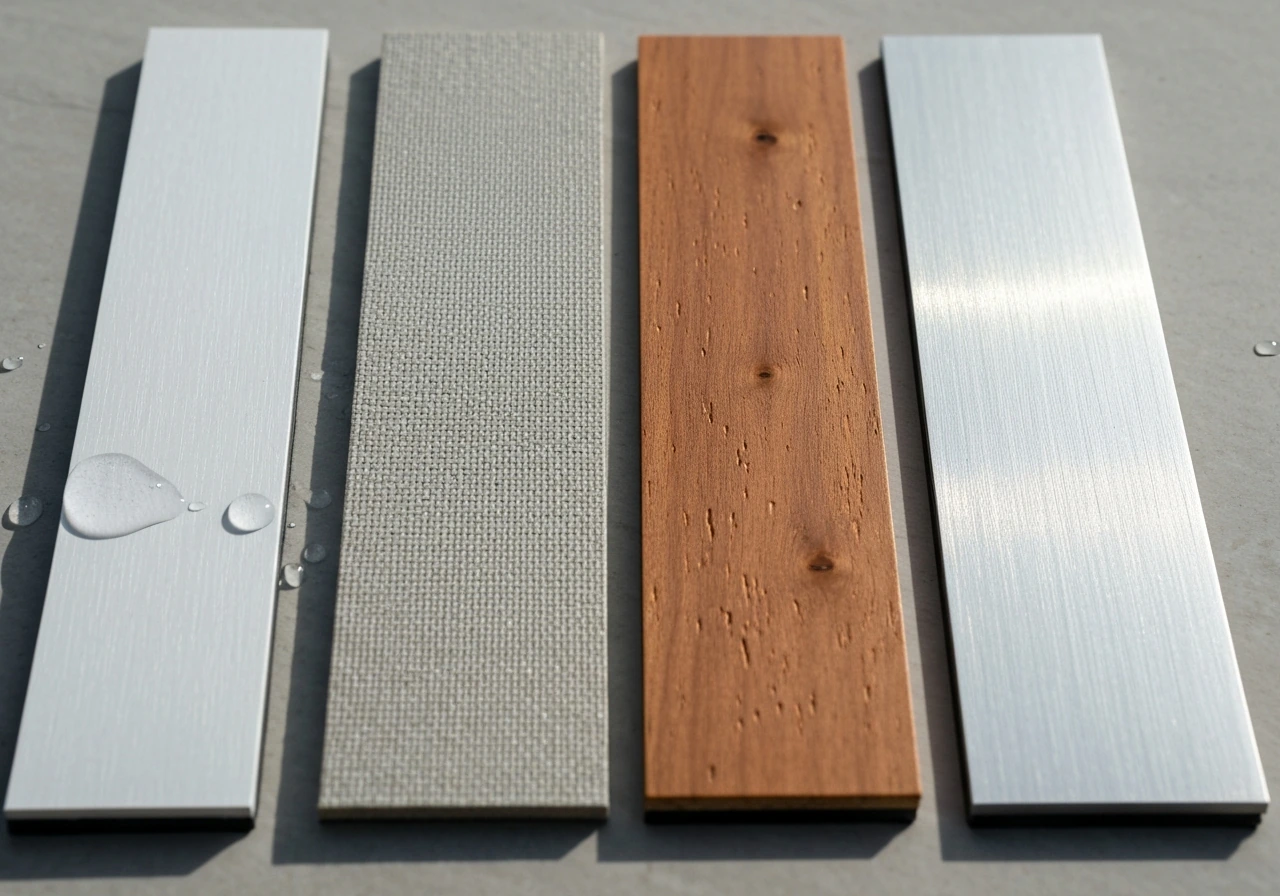
Before diving into each material, here's the quick version. If you live somewhere with brutal winters and freeze-thaw cycles, go fiberglass first, vinyl second. Hot and humid climates (think Gulf Coast or Florida) favor fiberglass and vinyl over wood, since wood swells, warps, and rots faster in constant moisture. Coastal salt-air environments are tough on aluminum unless you specifically choose a marine-grade or powder-coated finish, so fiberglass is the safer bet. Dry desert climates are actually one of the few places where a well-sealed wood door holds up reasonably well, but you still need to commit to yearly maintenance. For budgets under $1,500 installed, vinyl is almost always the answer. Between $1,500 and $3,500, fiberglass gives you serious bang for the buck. Above $3,500, you're in premium fiberglass, aluminum-clad wood, or architectural aluminum territory, and the choice depends more on aesthetics and door style than durability alone.
| Material | Best Climate | Best Door Style | Rough Installed Cost | Maintenance Level |
|---|---|---|---|---|
| Vinyl (PVC) | Most climates; avoid extreme heat/UV exposure | Sliding, French | $800–$2,500 | Very low |
| Fiberglass | All climates, especially harsh/humid/coastal | Sliding, French, bifold | $1,500–$4,500 | Low |
| Wood | Dry/mild climates only | French, bifold | $2,000–$6,000+ | High |
| Aluminum (thermally broken) | Hot/dry, large openings, modern builds | Sliding, bifold, large French | $2,500–$8,000+ | Low–medium |
Vinyl patio doors: affordable, low-maintenance, and genuinely good enough for most homes
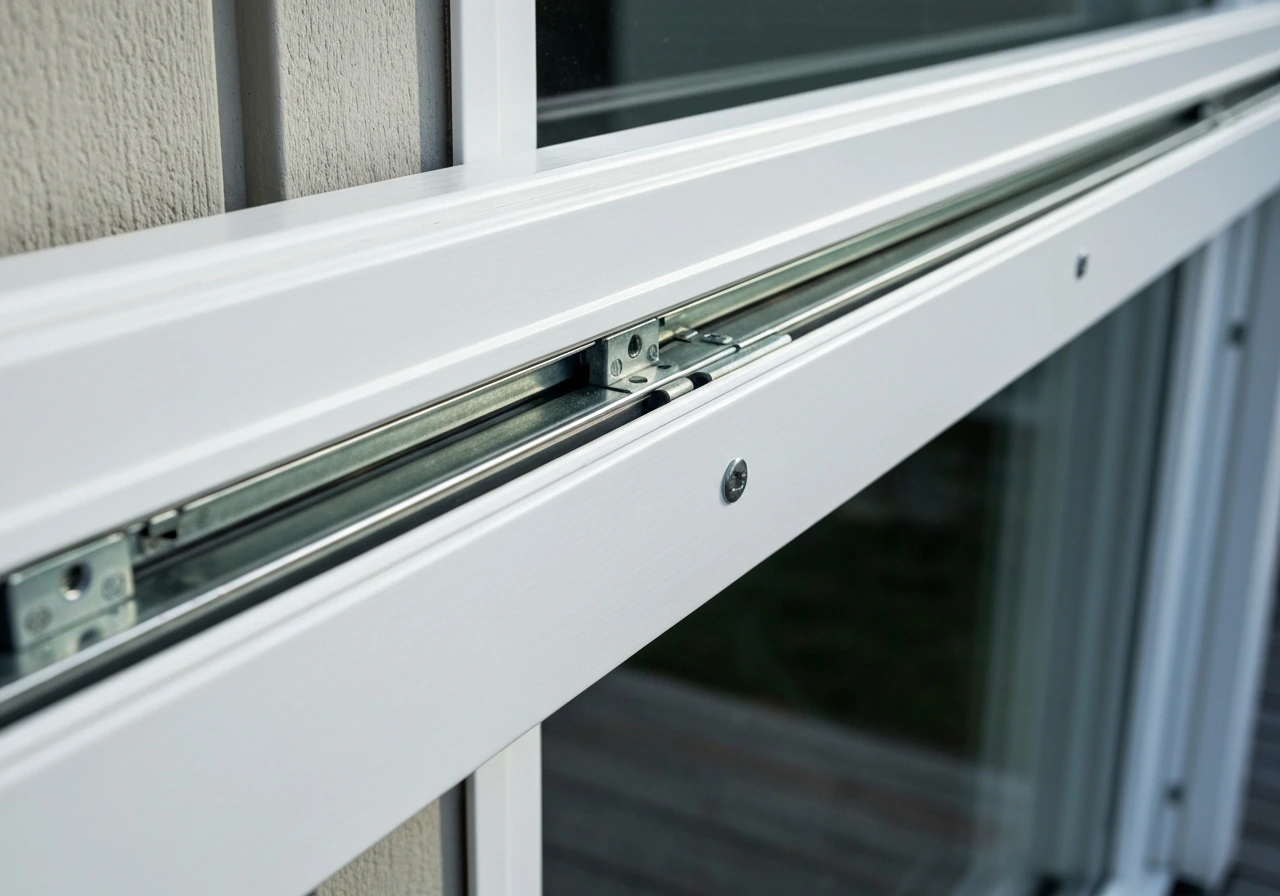
Vinyl (PVC) is the most popular patio door material in North America for a good reason: it delivers solid energy performance at a price almost anyone can work with. The frames are inherently non-conductive, so they don't transfer heat or cold the way aluminum does. Multi-chamber vinyl profiles trap air and reduce heat loss, and when you pair that with insulated glass (low-E coating, argon fill), a quality vinyl patio door can easily earn an ENERGY STAR certification with an NFRC-rated U-factor in the 0. You can use ENERGY STAR’s Product Finder to browse certified door models and compare sortable performance metrics like U-factor across brands for a given climate zone ENERGY STAR certification. 25–0.30 range, which is genuinely good.
The main knocks on vinyl are fade, expansion, and feel. In very hot climates with intense UV exposure, cheaper vinyl frames can fade or slightly warp over years. High-quality vinyl with UV stabilizers handles this much better, but it's worth asking your contractor about the wall thickness and profile quality before buying. Vinyl also expands and contracts more than fiberglass with temperature swings, which over time can affect seal tightness if the weatherstripping isn't maintained. And aesthetically, vinyl looks like vinyl. You can get it in a handful of colors, but you can't paint it, so what you buy is what you live with.
Maintenance is genuinely minimal: wipe down the frames once or twice a year, lubricate the sliding track or hinges, and check the weatherstripping every couple of years. That's it. There's no painting, staining, or sealing. For a sliding patio door especially, vinyl is one of the smoothest and most cost-effective options. Most major brands like Pella and Milgard offer lifetime or limited-lifetime warranties on vinyl products, which speaks to the long-term durability of quality units.
- Best for: budget-conscious buyers, low-maintenance priority, most residential climates
- Avoid if: you have a large bifold opening that needs structural rigidity, or you're in an extreme UV/heat environment with cheaper-grade products
- Compatible door styles: sliding patio doors, standard French doors
- Watch for: profile wall thickness, UV-stabilized finishes, NFRC U-factor on the actual quoted unit
Fiberglass patio doors: the high-performer that's worth the extra money
If I were replacing my own patio door today, I'd go fiberglass in most climates without much hesitation. Fiberglass frames are dimensionally stable, meaning they don't expand and contract significantly with temperature changes the way vinyl does. That stability keeps seals tighter for longer, which directly translates to better long-term air leakage performance. The DOE notes that fiberglass frames can actually outperform wood and uninsulated vinyl on thermal performance because the cavities in the frame can be foam-filled, adding meaningful insulating value on top of the inherent low conductivity of the material.
Pella and Marvin both position fiberglass as the right choice for extreme climates, and that's not just marketing. In freeze-thaw regions, fiberglass handles the physical stress of repeated contraction and expansion without the micro-cracking or warping that can affect other materials. In humid coastal areas, it doesn't rot, rust, or corrode. For hurricane-prone regions, pairing a fiberglass frame with laminated impact glass (which uses bonded layers to resist shattering, as required under Florida Building Code testing standards) gives you a genuinely tough assembly.
Fiberglass can be textured to look like real wood grain, which makes it a practical alternative to actual wood for people who want that aesthetic without the upkeep. It can also be painted, giving you flexibility that vinyl doesn't offer. The trade-off is cost: a quality fiberglass patio door runs $1,500 to $4,500 installed depending on size, style, and brand. That's real money, but the long-term durability and lower lifetime maintenance costs often justify the gap versus vinyl, especially if you're staying in the house for 10 or more years.
- Best for: harsh climates (freeze-thaw, humid, coastal), buyers who want low maintenance plus premium performance
- Compatible door styles: sliding, French, bifold (excellent for larger openings)
- Key upgrade to ask about: foam-filled frame cavities for added insulation
- Also ask: NFRC U-factor on the full assembly, not just the glass
Wood patio doors: beautiful, but you have to earn it
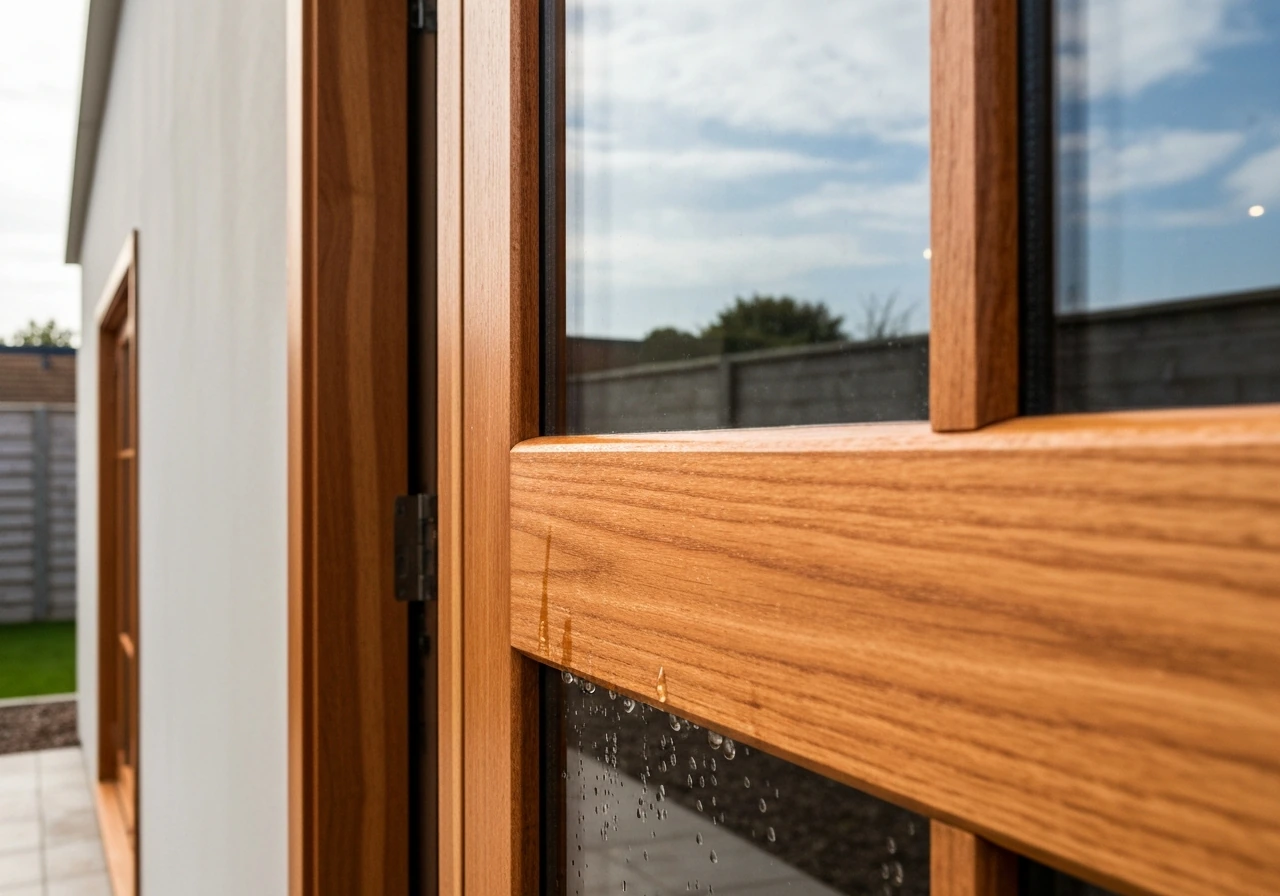
Wood is the material people fall in love with in the showroom and sometimes regret in the backyard. It genuinely is the best-looking option, especially for French and bifold styles in traditional or craftsman homes. Wood has natural insulating properties too, better than aluminum and roughly comparable to vinyl when properly sealed. But the catch is that word: properly sealed. Wood requires regular maintenance to stay that way.
In moist climates, wood patio doors are a real liability. The DOE is pretty direct about this: wood frames require regular maintenance to prevent deterioration. This Old House notes that wood is prone to warping and rot in damp conditions, which is exactly what a patio door faces year-round. If you're in the Pacific Northwest, Gulf Coast, or anywhere with sustained humidity, wood is a high-risk choice unless you're committed to painting or staining every 2 to 3 years and checking seals religiously. Dry climates (parts of the Southwest, certain inland regions) are where wood actually holds up well with reasonable effort.
The practical middle ground that many people land on is aluminum-clad wood, which Pella describes as an option that preserves the warm wood interior aesthetic while the aluminum exterior cladding takes the weather abuse. JELD-WEN also offers this configuration. You get the look of wood inside, lower exterior maintenance, and a longer lifespan than unclad wood. The warranty on clad-wood products (JELD-WEN's limited warranty covers 20 years on certain components, for example) tends to be better than bare wood products, which tells you something about how manufacturers feel about unclad wood in tough conditions.
If you're going wood, plan on a solid maintenance budget: proper staining or painting every 2 to 3 years, annual weatherstripping checks, and immediate resealing if you see any paint peeling or wood grain showing. Done right, a quality wood patio door can last 30 or more years. Ignored, it can start deteriorating within 5 to 7 years in a humid climate.
- Best for: dry/mild climates, historic or traditional homes, buyers who prioritize interior aesthetics
- Avoid if: you're in a humid, rainy, or coastal environment and don't want to maintain it regularly
- Smarter alternative: aluminum-clad wood for the interior look with less exterior maintenance
- Compatible door styles: French doors (especially), bifold, traditional hinged
Aluminum patio doors: the strongest frame you can buy, with caveats
Aluminum gets a bad reputation for energy efficiency, and standard (non-thermally-broken) aluminum deserves it. This Old House puts it bluntly: aluminum sliding doors can have condensation buildup and are not very energy-efficient. Metal conducts heat extremely well, which is exactly the opposite of what you want in a window or door frame. In a cold climate, a standard aluminum frame will feel cold to the touch in winter, will collect condensation on the interior, and will drag down the thermal performance of even the best insulated glass.
But here's the thing: thermally broken aluminum is a completely different product. A thermal break is a layer of non-conductive material (usually polyamide or polyurethane) inserted between the inner and outer aluminum sections of the frame. It interrupts the heat transfer path, dramatically improving energy performance. When you see high-end sliding patio doors and bifold systems from European-influenced brands, they're almost always thermally broken aluminum. A quality thermally broken aluminum door can achieve U-values competitive with mid-range vinyl, and the structural integrity of aluminum means it's ideal for large openings (multi-panel bifolds, wide-format sliders) where vinyl or even fiberglass might flex or sag over time.
Corrosion is worth understanding too. Aluminum doesn't rust the way steel does, but it can oxidize and pit, especially in salt-air coastal environments. Powder-coated finishes significantly improve corrosion resistance, and anodized aluminum is a step up from that. If you're within a mile of the ocean, ask specifically about marine-grade coating options and what the warranty covers for finish degradation. Milgard notes that aluminum sliding doors are prized for their lightweight strength, and for good reason: when you need a very wide opening without a bulky frame, aluminum is often the only material that can do the job cleanly. Milgard highlights that aluminum sliding patio doors are common because they offer lightweight strength, and that fiberglass is often chosen for its low-maintenance benefits and good insulation for energy efficiency aluminum sliding doors are prized for their lightweight strength.
- Best for: large openings (bifold, wide sliders), modern/contemporary architecture, hot-dry climates
- Avoid if: you're in a cold climate and the product isn't thermally broken (always ask)
- Coastal note: confirm powder-coat or anodized marine-grade finish
- Always verify: U-factor on the full door assembly via NFRC label, not just the glass
Matching material to your door style, security needs, and glass choices
The material you choose has a real impact on how your door performs day-to-day, not just over decades. Here's how to think about the match between material, style, and other priorities.
Sliding patio doors
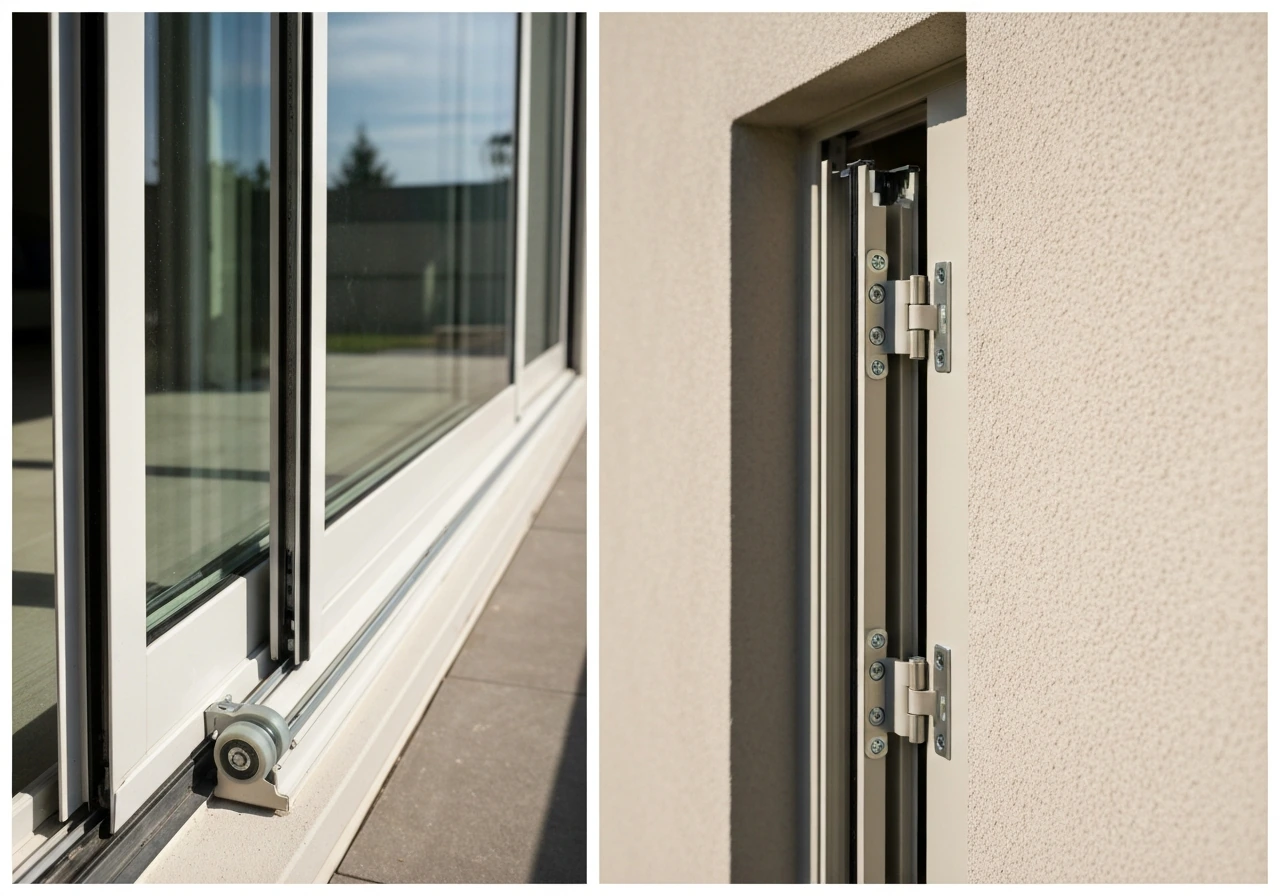
Sliding doors work well in vinyl, fiberglass, and aluminum. Vinyl slides smoothly with minimal track maintenance. Fiberglass gives you better long-term dimensional stability, so the door is less likely to develop alignment issues over years of use. Aluminum's weight and precision tolerances make it excellent for large-format sliders. For security, add a foot-lock or security bar to the track and make sure the door has a multi-point locking system, not just a single latch. The glass in sliding doors is typically tempered safety glass per building code requirements, which shatters into small pieces rather than large shards. Tempered glass is also commonly used for patio doors because it is stronger and, if it breaks, it crumbles into smaller pieces tempered safety glass. For added security or storm protection, ask about laminated glass (which stays in the frame even when broken) or impact-rated glass if you're in a hurricane zone.
French patio doors
French doors put more of a premium on frame quality because the hinged panels hold their shape over years of opening and closing. Wood and fiberglass both work beautifully for French doors. Vinyl French doors are common and cost-effective, but watch the panel thickness and hinge hardware on wider units. Aluminum-clad wood is a premium choice for traditional French door aesthetics with better longevity. Security on French doors comes down to the lock set and the door's strike point: multi-point locks that engage at the top, middle, and bottom of the door frame are significantly more secure than single-point locks.
Bifold patio doors
Bifold systems with multiple panels folding to one side require a structurally rigid frame material. Aluminum is the go-to choice for wide bifold openings, especially in contemporary homes. Fiberglass handles bifold well in moderate-sized configurations. Vinyl bifolds exist but are generally limited to narrower openings. The hardware on bifolds (rollers, hinges, locking mechanisms) is where quality matters enormously: cheap hardware fails, regardless of the frame material. Plan to spend more on hardware than you think is necessary.
Glass choices that matter regardless of frame material
The ENERGY STAR program evaluates doors based on two key NFRC-certified metrics: U-factor (how much heat the assembly loses, lower is better) and SHGC (solar heat gain coefficient, which you want lower in hot climates and can be more flexible in cold climates where solar gain helps). Don't get distracted by frame material claims alone. A vinyl door with cheap single-pane glass performs terribly; the same vinyl frame with a quality low-E, argon-filled double or triple-pane unit can earn ENERGY STAR certification. Always ask for the NFRC label values on the specific door unit being quoted, not a general claim about the frame material. Air leakage is also rated on the NFRC label; ENERGY STAR sets a max of 0.3 cfm/ft² for sliding doors, so ask where the quoted product lands.
Cost breakdown, warranty flags, and questions to ask before you sign
Cost ranges vary widely by region, brand, and complexity of installation. The figures below reflect mid-range product plus professional installation for a standard single patio door opening (roughly 6 feet wide). Large multi-panel bifold or wide-format sliding doors can multiply these figures by two to four times.
| Material | Product Cost (mid-range) | Installed Cost (typical) | Warranty (glass) | Warranty (non-glass) |
|---|---|---|---|---|
| Vinyl | $400–$1,200 | $800–$2,500 | Varies; often 10–20 years | Limited lifetime (top brands) |
| Fiberglass | $800–$2,500 | $1,500–$4,500 | Often 20 years (ENERGY STAR units) | 10–20 years varies by brand |
| Wood (unclad) | $1,000–$3,500 | $2,000–$6,000+ | 10–20 years on glass | 5–10 years; condition-dependent |
| Aluminum-clad Wood | $1,500–$4,000 | $2,500–$7,000+ | 20 years (Andersen example) | 10 years non-glass (Andersen) |
| Thermally Broken Aluminum | $1,200–$5,000 | $2,500–$8,000+ | Varies by brand | Varies; ask specifically |
Warranty details matter more than people realize. Andersen's warranty covers 20 years on standard glass and 10 years on non-glass components for non-coastal products. Milgard advertises a Full Lifetime Warranty on its products, though exact coverage by component varies. JELD-WEN's limited warranty covers 20 years for certain window and patio door opening components. The key move is to read what's actually covered: some warranties cover manufacturing defects in the glass unit but won't cover frame issues related to improper installation. Ask your contractor explicitly whether installation is warrantied separately from the product.
Questions to ask every installer before signing
- What is the NFRC-certified U-factor and SHGC on the exact unit being installed, not just the frame material or glass package name?
- Is the aluminum frame thermally broken? (If it's aluminum and they can't answer this, that's a red flag.)
- What is the air leakage rating? Is it at or below 0.3 cfm/ft² for a sliding door?
- Is the glass tempered, laminated, or impact-rated? What code compliance does it meet for my jurisdiction?
- What does the product warranty cover, and what voids it? Is improper installation covered by the manufacturer or by you?
- Do you use foam insulation around the rough opening, and what flashing system do you use to prevent water infiltration?
- Can I upgrade to a multi-point locking system, and is that included or an add-on?
- Is weatherstripping replaceable, and what's the replacement part number or source?
Your decision checklist before buying
- Identify your climate: freeze-thaw, hot/humid, coastal salt-air, or dry/mild. This eliminates at least one or two materials immediately.
- Choose your door style first (sliding, French, bifold), then match the material to structural and aesthetic needs.
- Set a realistic total budget including installation, not just the door price.
- Confirm NFRC U-factor and SHGC on the specific quoted unit. Check that it matches your ENERGY STAR climate zone requirements.
- Ask for the air leakage rating and verify it's at or below 0.3 cfm/ft².
- Read the warranty terms for both glass and non-glass components. Note the conditions that void it.
- Confirm glass type: tempered at minimum for safety glazing locations, laminated or impact-rated if you're in a hurricane or high-security situation.
- Ask about add-ons that meaningfully improve performance: foam-filled frames, multi-point locks, quality weatherstripping, screen systems, and storm coverings if relevant to your climate.
- Get at least two to three quotes with the same specifications so you're comparing apples to apples.
- Measure your rough opening carefully before any quote: width, height, and depth of the framing. Mistakes here cost real money.
One last thing worth saying: a lot of the performance difference between patio door materials narrows significantly when you focus on the glass package and installation quality. A mediocre vinyl door installed badly in an unsealed rough opening will perform worse than a mid-grade fiberglass door installed correctly with proper flashing and foam insulation. If you are deciding what is the best material to use for patio doors, start by matching the frame and glass to your climate and maintenance preferences. Material matters, but it's not the whole story. If you're comparing the best patio doors UK options, make sure you check both the material and the glass package before choosing Material matters. When you're ready to compare specific products and styles, the broader conversation about best patio doors and what the best glass door options look like for your situation is worth exploring before you finalize anything with a contractor. If you want a quick shortlist, the best patio doors usually come down to your climate, the door style, and the glass package. When you compare the best patio doors, focus on both the material and the glass package so you get the performance you expect.
FAQ
If fiberglass is best overall, how do I make sure the specific door I’m buying will actually perform well?
Ask for NFRC labels for both U-factor and SHGC, then confirm the door comes with insulated glass that matches your climate (low-E plus argon is a common baseline). A low-U fiberglass or vinyl frame will still underperform if the quoted unit uses single-pane or non-insulated spacer glass.
Can poor installation make a “better” patio door material perform worse than a cheaper option?
Yes, installation can erase material advantages. For best results, require proper flashing, a correctly sealed rough opening (foam insulation where appropriate), and a continuous air seal around the perimeter. Also ask whether the installer uses shims and leveling to keep the panels operating squarely, since misalignment can create long-term seal gaps.
What should I check for the best long-term performance on a sliding patio door?
For sliding doors, look at the threshold type (low-profile vs standard), the track drainage design, and whether the weatherstripping forms a full perimeter seal when the door is locked. Even with good materials, worn track components and missing maintenance can lead to drafts at the bottom rail.
How much maintenance is “too much” if I’m considering wood versus vinyl or fiberglass?
If you want the low-maintenance benefits, prioritize fiberglass or high-quality vinyl, and choose a frame color and finish that won’t require refinishing for years. If you choose wood, plan a maintenance schedule in writing with your contractor, and confirm whether the warranty requires periodic re-staining or painting to stay valid.
Is aluminum always a bad choice for salt air, or are there conditions where it works?
In coastal areas, aluminum can be viable but only with the right exterior protection. Ask specifically about marine-grade or high-durability powder coating (or anodizing), then request what the warranty covers for finish blistering, pitting, and corrosion, not just structural defects.
Which patio door materials are least likely to cause condensation indoors in winter?
If you’re worried about condensation on the interior during cold snaps, thermally broken aluminum and fiberglass are typically safer bets than standard aluminum. Then confirm the glass package is appropriate (low-E on surface that improves interior comfort), and verify whether the quoted product includes proper thermal spacers to reduce condensation points.
What should I look for if I need storm protection, besides choosing a “strong” frame material?
For hurricane-prone regions, don’t rely on frame material alone. Confirm the door is rated for wind pressure and impact performance with the specific glazing type (laminated or impact-rated), and verify the installer follows the local anchoring and fastening schedule, since that affects whether the tested performance holds.
Does the patio door material warranty cover fading or warping, especially for vinyl in hot climates?
Yes, color choice can matter. Vinyl can discolor or fade faster when exposed to intense direct sun, and darker shades typically heat up more. If you’re choosing dark colors, ask whether the manufacturer’s UV-stabilized profile is included and whether the warranty addresses color change.
Should I compare frames or glass when deciding on the most energy-efficient patio door?
For energy performance, glass is usually the biggest driver. As a practical decision aid, compare the quoted U-factor on the NFRC label for the entire door, not just the frame, and compare the SHGC for summer comfort. If two doors look similar but one has a substantially lower U-factor or more favorable SHGC for your climate, that’s the one likely to feel better year-round.
What warranty details are most important to ask about before signing?
Don’t assume a long warranty means better performance if the coverage is narrow. Ask your contractor to confirm warranty terms for both product and installation, including what happens if seals fail due to improper flashing or if glass breakage is covered under your installation method and local code.
Which material best matches the look of real wood without committing to wood’s maintenance schedule?
Most lifelike wood look comes from fiberglass with a true grain texture plus a baked-on finish, but the “best” option depends on your interior style. If you want the warmest feel, prioritize wood or fiberglass with a high-quality interior finish, and if you want flexibility, confirm whether the fiberglass can be painted to match future renovations.
Are there any “hidden” issues with bifold or large sliding doors that material alone doesn’t cover?
Yes. Bifold and wide sliding openings can be sensitive to structural deflection and track alignment, which is why frame stiffness and quality hardware matter a lot. Ask about the hardware brand and roller/hinge design, and verify that the system supports the door size you want without sagging that could degrade the weather seal.