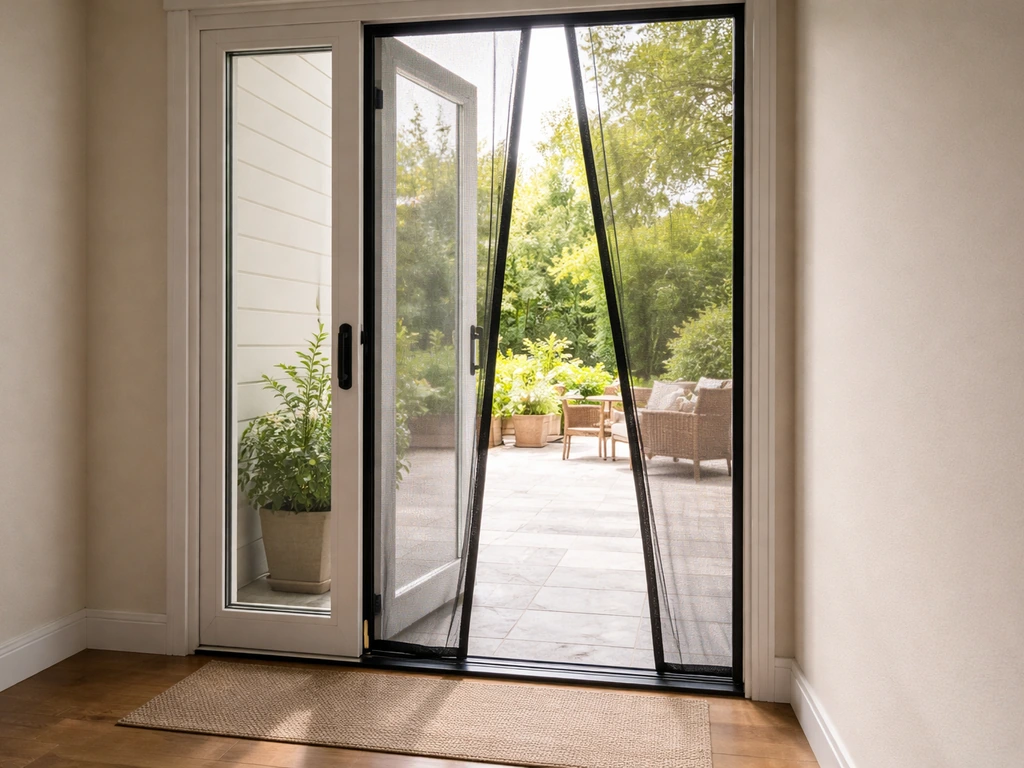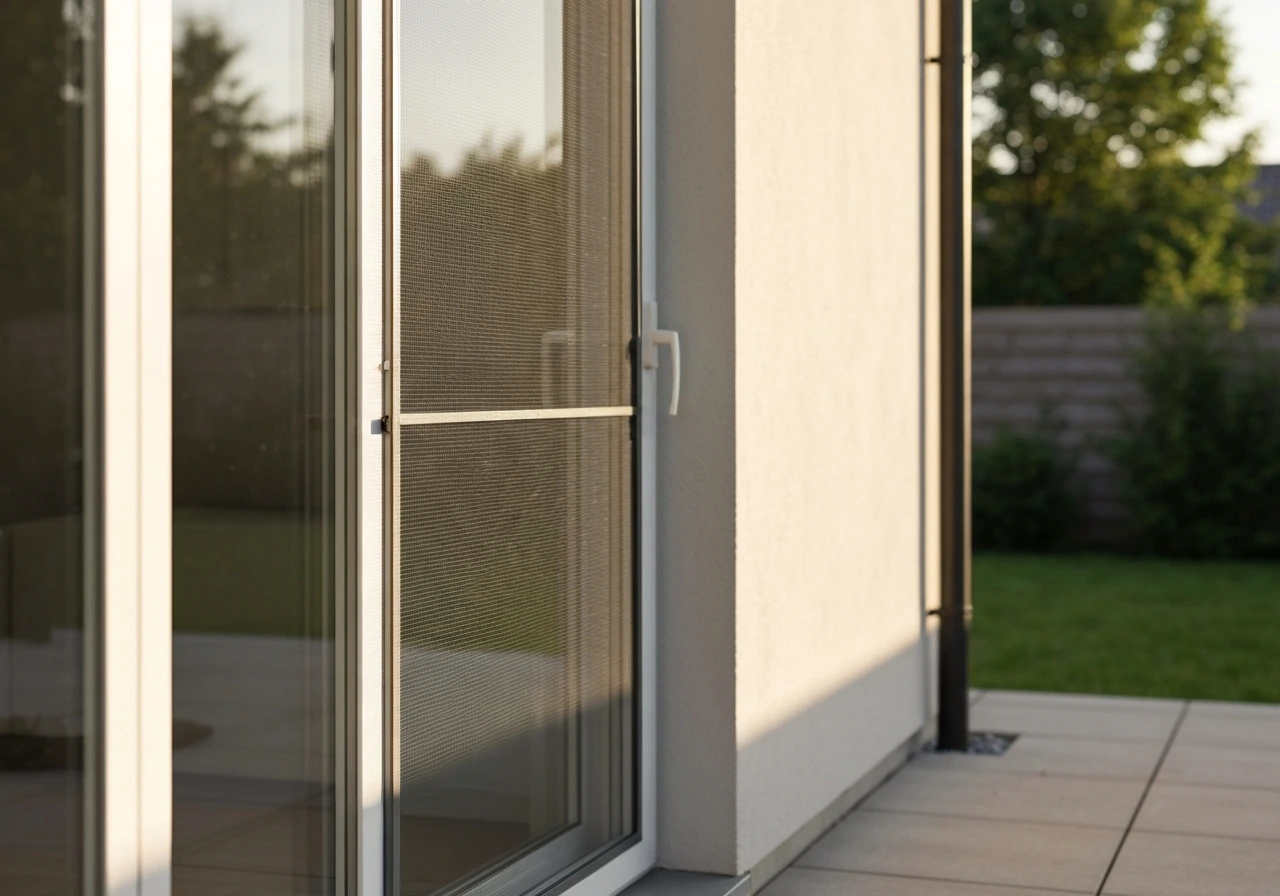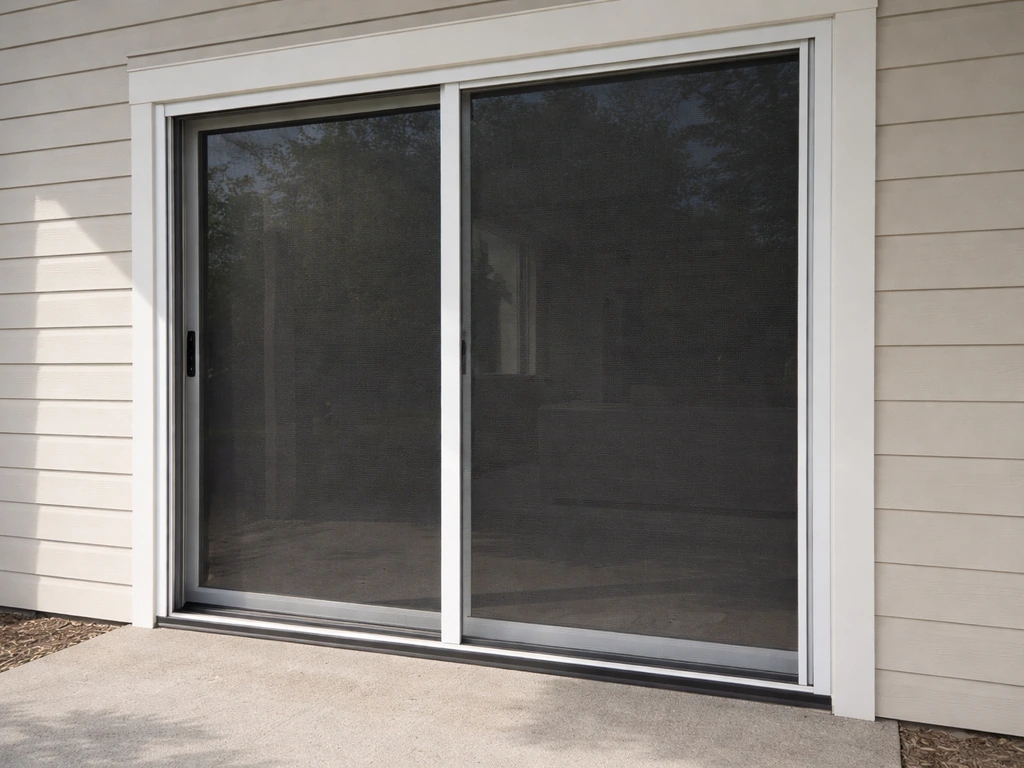
For most sliding patio doors, a retractable fly screen is the best all-round choice: it stays out of the way when not in use, fits standard door widths of 30 to 36 inches, and a decent unit like the Genius COOL runs $150 to $200 at retail with a limited lifetime warranty. For French doors, a full-width magnetic walk-through screen handles the double-door opening without requiring tracks. Bifold doors need a wide-span system, sometimes up to around 250 cm, so plan on a custom or semi-custom retractable. The mesh spec matters too: standard 18x16 fiberglass handles mosquitoes and most flies, but if you're in a coastal or humid area with no-see-ums, gnats, or sand flies, upgrade to a 20x20 weave like Phifer's TuffScreen No-See-Um. That one decision alone makes the difference between a screen that works and one that doesn't.
Best Fly Screen for Patio Doors: Buyer Guide and Fit Tips

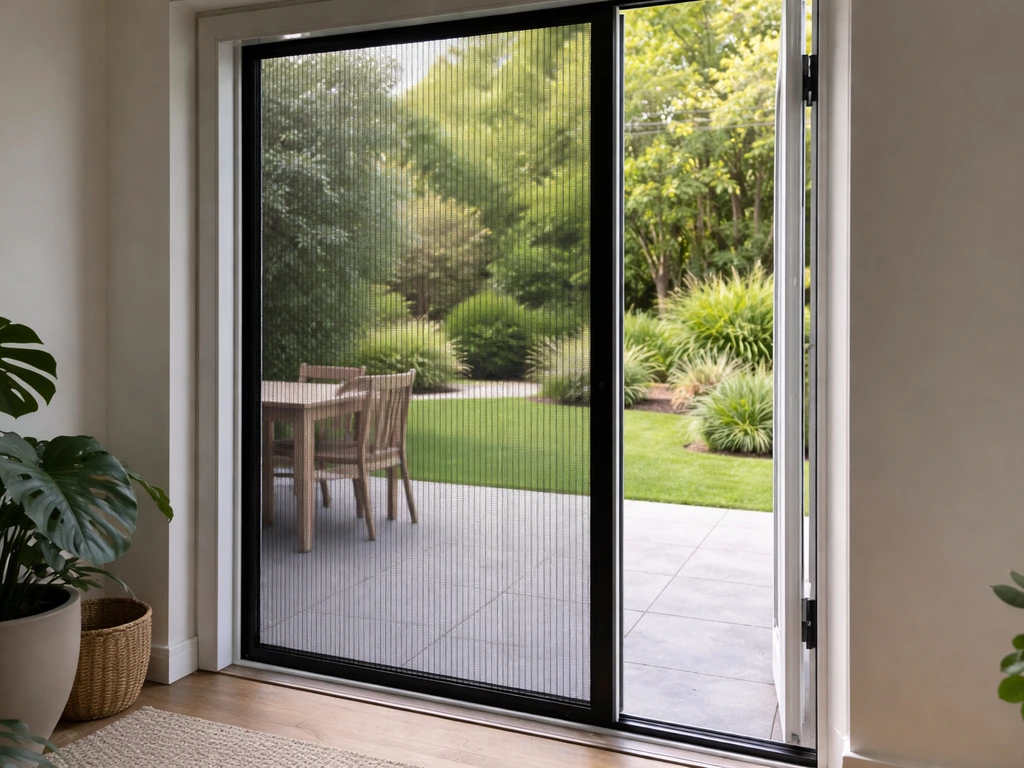
How to choose the best screen for your patio door type
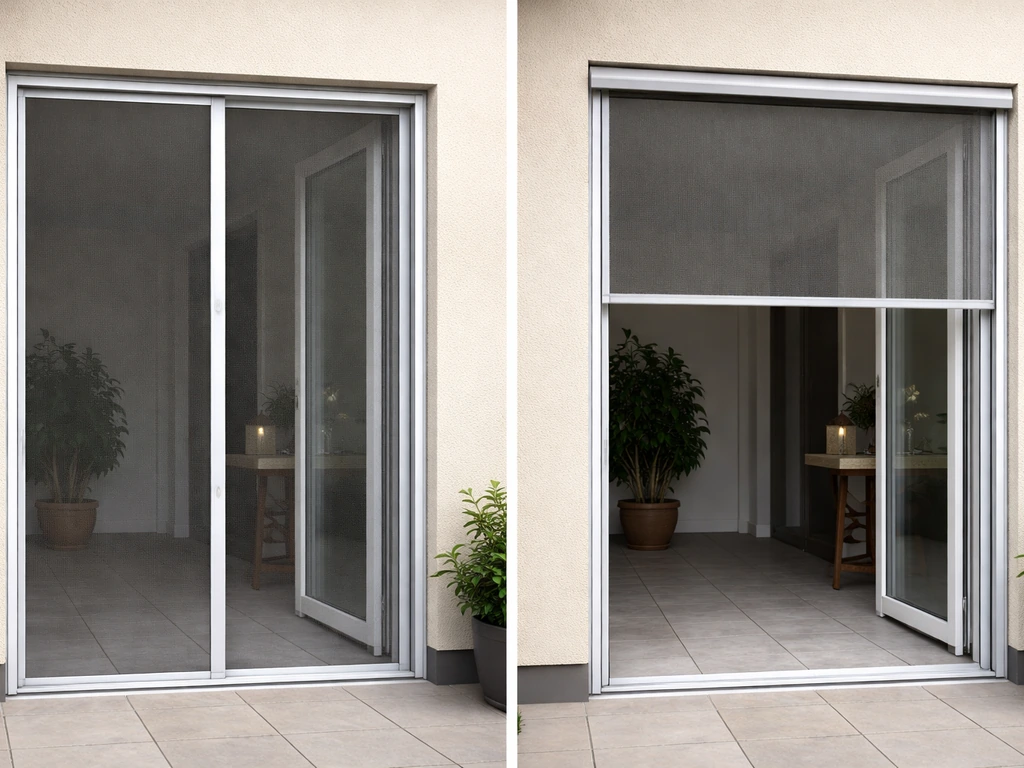
The single biggest mistake people make is buying a screen without thinking about how their door actually opens. A sliding screen panel that works perfectly on a single sliding door becomes a nuisance on French doors that swing outward. If you're shopping for the best screen for patio door use, pay close attention to how the door opens so the screen style fits correctly sliding door. Start here: identify your door type, then match the screen style to it.
Sliding patio doors are the easiest to screen. They already have a track system, so a retractable roller screen mounts inside the frame and glides in the same plane as the door. If you want something even simpler to install, a fixed framed screen panel that slots into the existing door track works fine too, as long as the original track isn't worn out.
French doors (the kind with two panels that swing open from the center) need a screen that spans the full opening, usually 60 to 72 inches wide, without a fixed center post getting in the way. A magnetic curtain-style screen handles this well: two mesh panels hang from a top bar and seal together magnetically in the middle, so you can walk straight through. It's not as sleek as a retractable, but it works and installs in under an hour. A dual-cassette retractable that mounts each half on opposite sides of the frame is the tidier long-term option if you want something more permanent.
Bifold patio doors are the most demanding. When fully open, they create a wide span that can exceed 200 to 250 cm. You need a screen system specifically rated for that width, because a standard single retractable will sag and gap. Some manufacturers like Flyscreen Queen offer wide-span systems designed for bifold openings. If you have bifold doors, measure the full clear opening width before you look at any product.
Climate is the second filter. In a dry inland climate with seasonal mosquito pressure, a standard 18x16 mesh retractable is perfectly adequate. In coastal, humid, or subtropical areas where no-see-ums and sand flies are a problem, you need a tighter 20x20 weave. The trade-off is slightly reduced airflow and a denser visual barrier, but if you're in Florida, Queensland, or along any sandy coastline, it's worth it.
Types of fly screens and when each is the best option
There are four main screen types worth knowing about for patio doors. Each has a real use case, and none of them is universally the best.
| Screen Type | Best Door Match | Pros | Cons | Rough Cost (DIY) |
|---|---|---|---|---|
| Retractable roller | Sliding, single French, wide openings | Disappears when not in use, clean look, good long-term durability | More expensive, needs precise installation, alignment-sensitive | $150–$400 |
| Fixed framed panel | Sliding doors with existing track | Lowest cost, easy to swap mesh, very stable | Takes up door space, can't hide it | $50–$120 |
| Magnetic/curtain | French double doors, temporary use | Fastest to install, walk-through friendly, no tools needed | Less durable, can gap in wind, looks basic | $30–$80 |
| Motorized retractable | Large bifold, wide openings, luxury installs | Fully automatic, handles very wide spans | High cost, needs pro install, more to maintain | $600–$2,000+ installed |
Retractable roller screens are the most popular choice for patio doors in 2026, and for good reason. The cassette housing sits at the top or side of the door frame, and the mesh rolls out when needed. Genius's COOL retractable is a well-documented example: it fits inside frame heights of roughly 78 to 81 inches depending on the model, comes with a limited lifetime warranty, and is available at Costco-style pricing around $150 to $200. That said, the limited lifetime warranty explicitly excludes tears and does not cover shipping, labor, or removal, so factor that in when comparing value.
Fixed framed panels are the lowest-maintenance option. If your sliding door came with a screen track and the original screen wore out, a replacement framed panel with fresh mesh is often the cheapest and most reliable fix. You can rescreen it yourself for around $20 in materials if only the mesh fails.
Magnetic screens are underrated for French doors. They're not elegant, but a good magnetic curtain screen mounts inside the door frame with a top bar and self-sealing magnets down the center split. For renters, temporary setups, or anyone who wants a working screen by this weekend, it's a legitimate option. Just be aware that in windy locations the panels can separate and let insects in.
Motorized retractable screens make sense for very large openings (bifold doors, wide sliders, covered patio openings) where a manual pull would be awkward. Dealer-installed motorized systems cost significantly more than standard door screens, and pricing varies with opening size, fabric choice, motor type, and anchoring conditions. Expect to pay more if installation involves masonry or stucco compared to a standard wood frame.
Key performance features that stop flies and withstand outdoors
Mesh spec: the number that actually matters
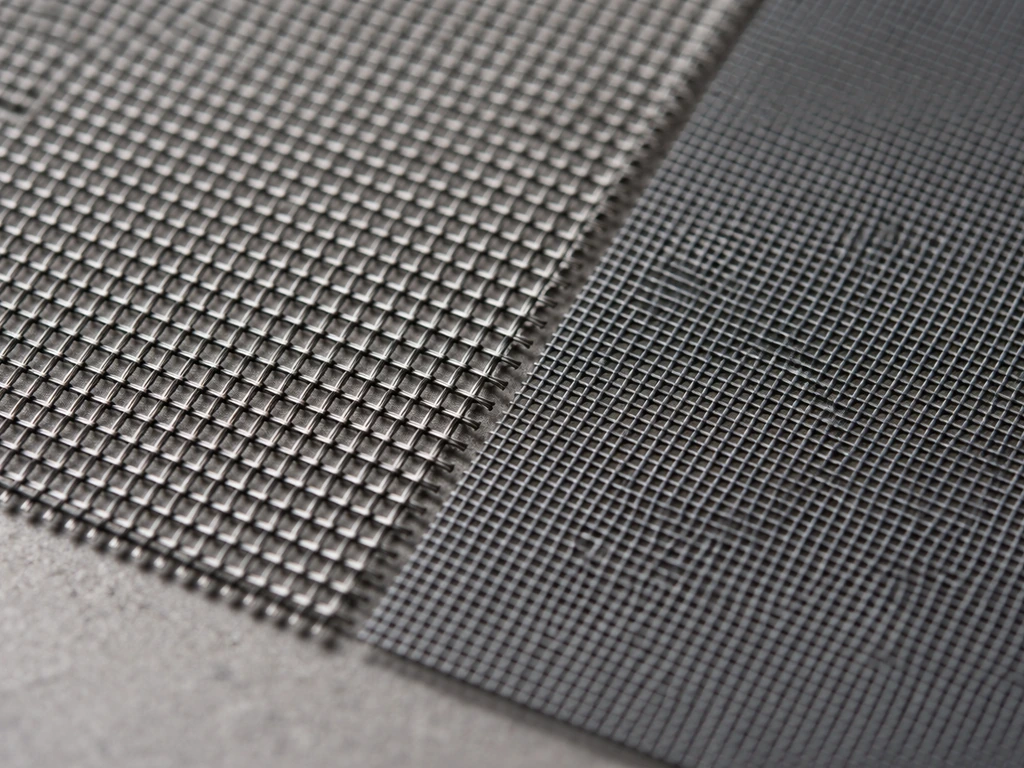
Mesh is described by its weave count: the number of wires per inch in each direction. Standard insect screen is 18x16 (18 wires per inch horizontally, 16 vertically) with a wire diameter of about 0.011 inches. This gives you roughly 66% open area, meaning good airflow, decent visibility, and protection against mosquitoes, houseflies, and most common insects. For no-see-ums, gnats, and sand flies, you need 20x20. Phifer's TuffScreen No-See-Um uses this tighter weave, is made from glass yarn coated with vinyl for UV resistance and flexibility, and carries a 10-year warranty. Phifer’s NO-SEE-UMS screen is specified as 20×20 construction intended to help keep out most small flying insects, including no-see-ums, gnats, and sand flies Phifer's TuffScreen No-See-Um. It does reduce airflow slightly compared to standard mesh, but the insect protection is noticeably better for small-pest environments.
Phifer also makes BetterVue, which they state provides 10% more insect protection than standard fiberglass or aluminum screen while maintaining better outward visibility. It's a good middle ground if you want improved pest resistance without the reduced airflow of the 20x20 weave.
Frame and cassette quality
For retractable screens, the cassette housing and side guide rails determine long-term smoothness. Cheap cassettes use thinner aluminum extrusions that flex and cause the mesh to track unevenly. Quality cassettes maintain consistent tension. Flyscreens.biz notes that cassette quality, mesh tension, and track precision are the main factors in whether a retractable keeps working smoothly over years of use. Side gaps caused by misaligned tracks are the most common long-term failure point, and they don't just let insects in: they let wind stress the mechanism and accelerate wear.
Pet and child resistance
If you have dogs or cats, standard fiberglass mesh won't last long. Phifer's PetScreen is made from heavier vinyl-coated polyester that resists scratching and pushing. It's available in standard frame sizes or as roll stock for rescreening. It is noticeably stiffer than fiberglass, which also makes it more puncture-resistant for kids leaning against the screen.
Weather and wind tolerance
Retractable screens are not rated for high wind when extended. Genius's documentation notes that wind tolerance depends on the openness factor of the mesh and the overall dimensions of the screen. Wider, taller screens catch more wind load. If you're in a consistently windy location, either retract the screen during strong winds or look at a fixed framed option that stays rigid. Magnetic screens are particularly wind-sensitive and are really only suited for sheltered or low-wind situations.
How to measure for a perfect fit (and avoid common sizing mistakes)
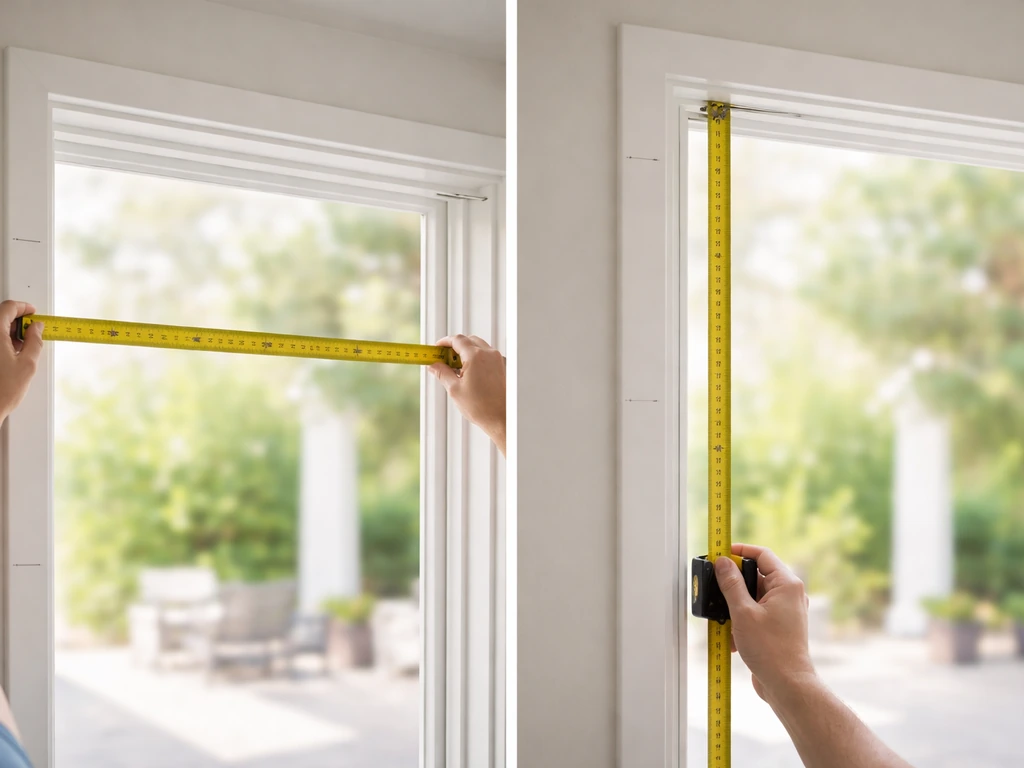
Measuring wrong is the number one reason screens don't fit. With retractable screens, you're almost always measuring the inside of the door frame (the clear opening), not the door itself. Here's how to do it correctly.
- Measure the inside width of the door frame at three points: top, middle, and bottom. Record all three. Use the smallest measurement as your width.
- Subtract 1/2 inch from that smallest width measurement to get your final width. This is the standard deduction for inside-mount retractable screens per Genius's measuring guide.
- Measure the inside height of the door frame at three points: left, center, and right. Again, use the smallest measurement.
- Check whether your sill or threshold is level. A sloped threshold affects how the bottom guide rail sits and can cause the screen to bind or gap at the bottom.
- Check that the head frame is plumb and the side jambs are square. Retractable screens are unforgiving of out-of-square openings.
- For French doors, measure the full combined opening width at three heights, and note whether there is a center astragal post or if the opening is completely clear.
Genius's standard COOL model fits inside frame heights of roughly 78 to 81 inches. If your patio door frame falls outside that range, you'll need to confirm the specific model height before ordering. Don't assume a standard screen fits a non-standard door height without checking the product's fit data.
For fixed framed panels on sliding doors, measure the track opening (the space inside the track, not the track itself). Measure width and height, and check whether the existing top and bottom track channels are clean and undamaged. A worn-out bottom track will cause even a well-sized panel to rock and gap.
One mistake worth calling out specifically: people often measure the door slab itself and order a screen to match. The door frame opening is almost always slightly different from the door slab dimensions. Measure the frame, not the door.
Installation options: DIY vs professional (what to expect)
Most retractable screen doors, including the Genius COOL, are designed for DIY installation and come with detailed instructions. A standard single-door retractable on a wood frame takes most people 45 to 90 minutes. The critical steps are: clean the sill track and head frame channel thoroughly before mounting anything, get the cassette level, and make sure the guide rails are plumb. Heartland's installation instructions are explicit about this: clean the sill track first, then adjust top and bottom rollers if the screen binds after installation. Skipping the cleaning step causes binding almost every time.
Where DIY gets harder: masonry or stucco frames, out-of-square openings, bifold door spans, and motorized systems. If your frame is masonry or stucco, you'll need masonry anchors and a hammer drill, and a mistake in placement is permanent. For those situations, a professional installation makes sense.
Pro-installed retractable screens for a standard single patio door run roughly $600 to $900, including the product and labor. That's a significant jump from the $150 to $200 DIY retail price. The cost difference reflects labor time, any needed frame prep, and in some cases the contractor's markup on the hardware. Note that Genius's limited lifetime warranty does not cover labor, shipping, or removal costs, so if the screen ever needs warranty service, those costs come out of your pocket regardless of who installed it.
Motorized patio screen pricing scales significantly with opening size, fabric, motor controls, and installation complexity. A standard motorized system dealer-installed will cost considerably more than a manual retractable, and pricing varies enough that getting at least two quotes is worthwhile.
If you're rescreening an existing frame rather than installing a new screen system, that's generally an easier DIY job. New mesh, a spline roller, and a roll of spline are all you need. There are also professional rescreening services available locally in most areas, and it's a relatively low-cost service if you'd rather not deal with it yourself.
Budget, costs, and what 'best value' means
Here's a realistic breakdown of what you'll spend across the main options in 2026:
| Option | DIY Cost | Pro-Installed Cost | Lifespan Expectation |
|---|---|---|---|
| Fixed framed panel (replacement) | $50–$120 | $100–$250 | 5–10 years (mesh), frame indefinitely |
| Magnetic curtain screen | $30–$80 | N/A (self-install only) | 1–3 years |
| Manual retractable (e.g., Genius COOL) | $150–$400 | $600–$900 | 10+ years with maintenance |
| Motorized retractable | $600–$1,200 (product only) | $1,500–$3,000+ | 10–15 years with maintenance |
Best value for most homeowners is a manual retractable at the DIY price point: around $150 to $200 for a quality unit, installed yourself on a standard wood-frame sliding door. You get a clean look, durable hardware, and a meaningful warranty. The economics shift if you have a French door opening, a bifold, or a masonry frame, where complexity pushes you toward professional installation and higher total spend.
Don't discount the magnetic curtain screen as a short-term or budget option. At $30 to $80, it's an honest solution for a French door or any situation where you want something working fast. It won't last as long and it won't look as good, but it keeps insects out reliably in a sheltered location.
When comparing products, look past the headline price and check: what does the warranty actually cover, what's the mesh spec, and is the cassette/frame system one you can get replacement parts for? A $200 screen with a 10-year warranty on mesh and a limited lifetime warranty on hardware beats a $120 screen with a one-year warranty in almost every scenario.
Maintenance, repairs, and keeping your screen working year-round
Fly screens on patio doors take more abuse than window screens: more frequent opening and closing cycles, more UV exposure, more wind, and often more contact from people and pets. A little regular maintenance goes a long way.
Cleaning the mesh
Phifer's guidance for all its screen types (fiberglass, TuffScreen, PetScreen) is straightforward: mild soap and water, a soft brush or cloth, rinse thoroughly. Avoid high-pressure washing, which can stretch or distort mesh, and avoid harsh chemical cleaners that can degrade vinyl coatings. For retractable screens, extend the mesh fully before cleaning and let it dry completely before rolling it back into the cassette. Trapping moisture in the cassette causes mold and can corrode the spring mechanism.
Track and roller maintenance
Clean the sill track and head channel at least once a season. Dirt, grit, and debris in the track are the leading cause of binding and uneven operation in both sliding panel screens and retractable systems. After cleaning, a light application of silicone spray lubricant on the track keeps things running smoothly. Avoid petroleum-based lubricants like WD-40 on plastic components as they can cause plastic to become brittle over time.
If a retractable screen starts dragging or won't retract smoothly, check alignment first. Genius's troubleshooting documentation and Angi both point to alignment as the most common culprit: the pull bar may be dragging in the guide rails due to a slight lean or shift in the frame. Check that the cassette is still level and that the guide rails are plumb. A small adjustment can often fix what looks like a major problem. Also test the spring tension: if the screen retracts too slowly or stops before fully closing, the spring inside the cassette may need adjustment (usually by removing the cassette cap and winding the spring a few more turns, per the manufacturer's specific instructions).
Repairing minor mesh damage
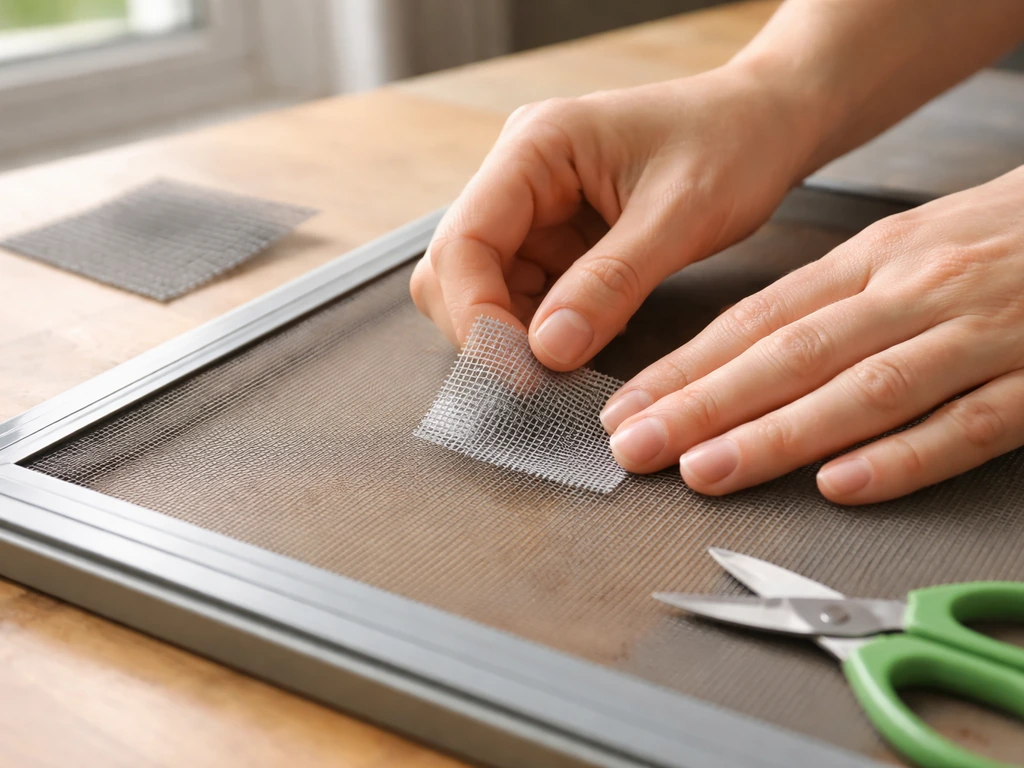
Small holes from pets or punctures can be patched with screen repair tape or a fiberglass patch kit, both available at hardware stores for a few dollars. This works as a short-term fix on fixed frames. For retractable screens, if the mesh is torn, it generally needs to be replaced as a full mesh panel, not patched, because a patch adds stiffness that interferes with the rolling mechanism. Be aware that tears in mesh are specifically excluded from most manufacturer warranties, including Genius's limited lifetime warranty, so mesh damage is always an out-of-pocket repair. A replacement mesh for a retractable cassette is typically $30 to $60 for a single door width.
Seasonal storage and inspection
If you live somewhere with harsh winters, removing a retractable screen cassette and storing it inside during the off-season extends its life significantly. Cold temperatures make plastics brittle and can weaken the spring mechanism over time. Before reinstalling in spring, clean the tracks, inspect the mesh for any winter damage, and check that all mounting screws are still tight (frames can shift slightly with seasonal temperature changes). This once-a-year check takes about 15 minutes and is the best thing you can do to make a quality screen last 10 or more years.
If the screen mesh is so far gone that cleaning and minor repairs won't salvage it, rescreening the frame is a cost-effective option rather than replacing the whole system. If your patio door is already installed, rescreening patio doors is often the quickest way to restore insect protection without replacing the entire frame. A professional rescreening service can handle this, or you can do it yourself if you're comfortable with a spline roller and a bit of patience.
Your next steps
Here's how to move from reading this to actually having a working screen on your patio door: identify your door type (sliding, French, or bifold), measure the inside frame opening using the three-point method and record the smallest width and height, decide whether you're in a standard or high-pest environment (if you're near the coast or in a humid area, go straight to 20x20 mesh), and then pick your screen type based on the table above. If your patio door already has an existing screen or track, you may be able to choose a compatible replacement type instead of buying a whole new system. For most sliding door setups, a manual retractable at $150 to $200 installed yourself is the practical sweet spot. For French doors, either a dual magnetic curtain or a two-cassette retractable system. For bifold, contact a specialist and get a site measure done before ordering anything. Don't skip the track cleaning step on install day, check alignment before you declare it finished, and set a reminder to clean the tracks and inspect the mesh once a season. That's genuinely all it takes to keep a patio door screened properly.
FAQ
What’s the best fly screen for patio doors if I want it to disappear when not in use?
For a mostly invisible look, choose a retractable roller screen with a proper cassette and side guide rails, and confirm the cassette fit with your exact frame height range. Measure the inside frame opening, not the door slab, and prioritize cassettes with replacement parts availability so you can service the mechanism later if the rails ever misalign.
Can I use a sliding-door retractable screen on French doors to save money?
Usually no. French doors swing outward, so a sliding-door style will not seal correctly and can interfere with opening, especially where a center post or swing arc is involved. If you want a retractable, look for a true full-opening system (dual-cassette) designed for French door geometry, otherwise use a magnetic curtain for a quick workaround.
If my door opening is slightly wider than the screen’s listed width, can I “make it fit” by forcing the frame or adjusting the track?
Avoid forcing. With retractables, a too-wide opening typically causes track misalignment, side gaps, and premature wear. Instead, round down to the smallest clear opening measurement, or move to a semi-custom or wide-span system, particularly for bifold doors that can exceed typical standard widths.
What mesh should I choose if insects are mostly tiny gnats, not mosquitoes?
Pick the 20x20 weave (tighter mesh) rather than standard 18x16. Even in places where mosquitos are manageable, no-see-ums, gnats, and sand flies often slip through larger openings, so the denser mesh is the key decision, even though airflow and outward visibility may drop slightly.
Is 20x20 mesh worth it if I live near the coast but I do not see many insects indoors?
Yes, if you get coastal pests during warm evenings or breezy conditions. Coastal areas often bring intermittent but intense activity, and the fly screen has to stop the worst days, not only average days. If you want a compromise, consider improved-visibility options designed to increase insect blocking without the same degree of airflow loss.
How windy does it need to be before I should not keep a retractable screen extended?
Use caution as soon as gusts can push the door area pressure. Taller and wider screens catch more wind load, and extended retractables are not built for high continuous wind. A practical rule, if your patio feels drafty with the door open, retract during strong winds, or switch to a fixed framed screen for rigidity.
What’s the most common reason a retractable screen won’t close smoothly?
Track alignment and guide rail plumb, not the mesh itself. Confirm the cassette is level, check that the guide rails are plumb, and clean the sill track and head channel thoroughly before making adjustments. If it still stops early or retracts slowly, spring tension may need a manufacturer-specified adjustment.
Do I need to clean the screen tracks, and how often?
Yes. Clean at least once per season and whenever you notice dragging or uneven motion. Dirt and grit in the track are a leading cause of binding. After cleaning, use a light silicone spray on the track, and avoid petroleum-based lubricants on plastic components because they can degrade over time.
If a small tear happens in a retractable screen, can I patch it instead of replacing the whole mesh?
Not typically. Patches add stiffness and can interfere with the rolling action, so most systems require full mesh replacement when the retractable mesh is torn. For small holes on fixed frames, repair tape or a fiberglass patch kit can work short-term, but retractables usually need a full mesh panel replacement.
Does pet-friendly screen mesh change how the door feels when operating?
It can. Pet-resistant materials are often stiffer than fiberglass, which may feel slightly firmer under contact and can improve puncture resistance. Make sure the screen system and cassette are compatible with the mesh weight and that the installation is square, because stiffer mesh highlights any track misalignment.
What should I check on warranty coverage before I buy the “best” screen?
Look closely at what the warranty excludes, especially mesh tears and service costs. Many limited lifetime warranties cover hardware but explicitly exclude shipping, labor, and removal, so you may pay out of pocket if warranty work is needed. Also check whether replacement cassettes, rails, springs, or mesh panels are available for that specific model.
How do I measure correctly for a sliding patio retractable screen?
Measure the inside frame opening, using a three-point method and recording the smallest width and height. Retractable screens usually fit the clear opening, and door slab dimensions can be slightly different due to trim and frame squaring. If your frame height is outside the listed model range, you may need a different screen version rather than assuming it will fit.
Should I store my retractable screen in winter?
If you experience harsh winters, storing the cassette indoors can extend life. Cold temperatures can make plastics brittle and can weaken the spring mechanism. Before reinstalling, clean the tracks, inspect the mesh for winter damage, and re-check that all mounting screws are tight because openings can shift slightly with temperature changes.
When is rescreening better than replacing the entire patio screen system?
Rescreening is usually the best choice when the frame and track are sound, but the mesh has worn out. If the cassette mechanism or rails are failing, replacement may be more cost-effective. If the system is already installed and aligned, rescreening can restore insect protection quickly with less spend than a full new unit.
Is magnetic curtain screening a good long-term option for French doors?
It can be a good short- to mid-term solution, especially for sheltered patios or quick installs. For windy locations, the hanging panels can separate and create gaps. If you want a more stable long-term setup, consider a dual-cassette retractable system designed to seal both French door halves.