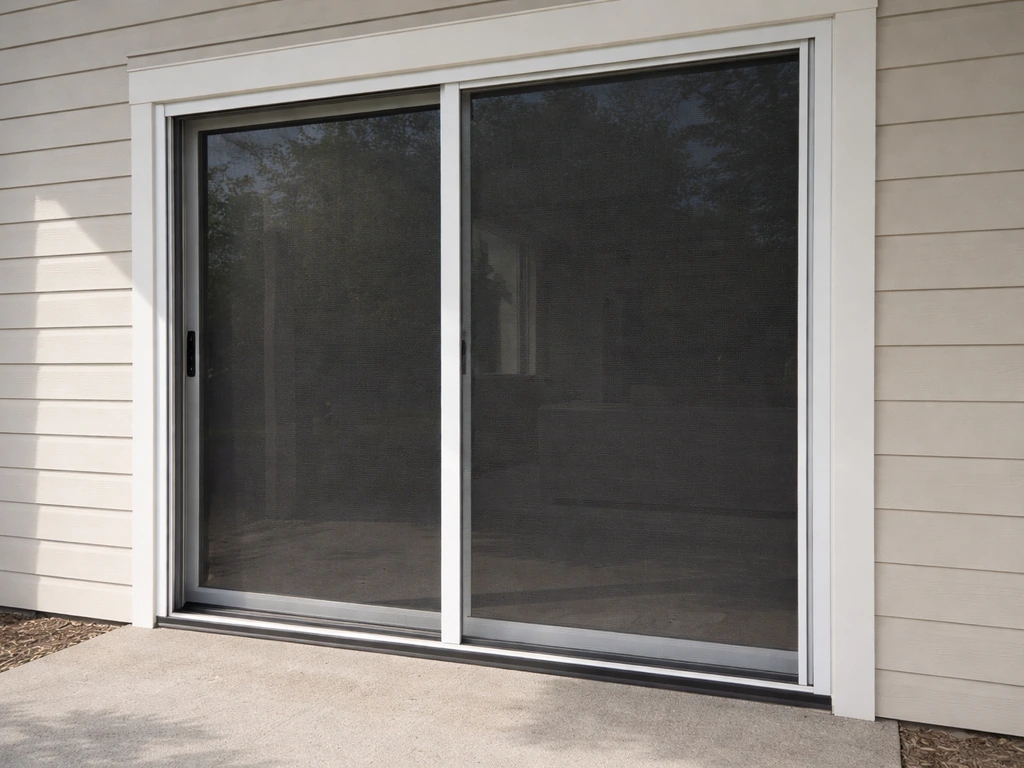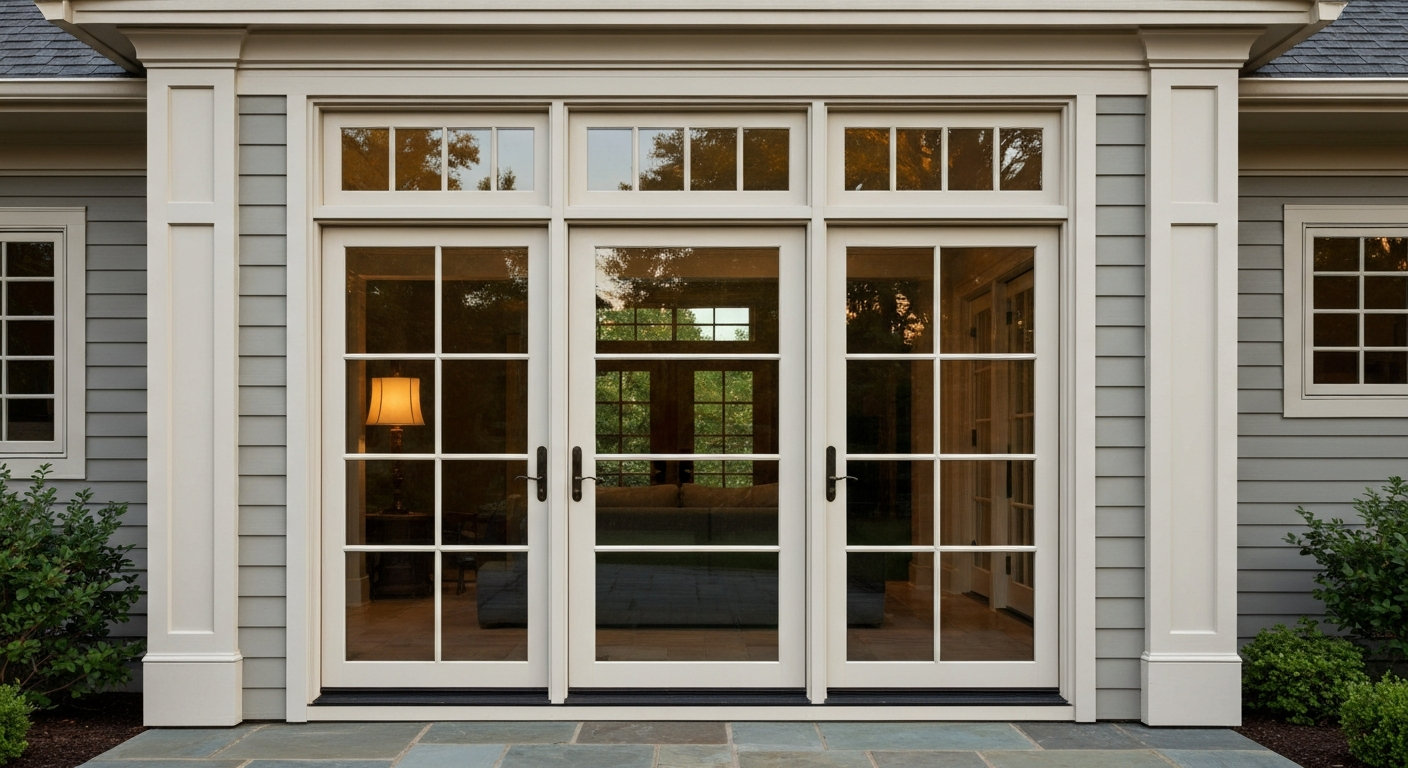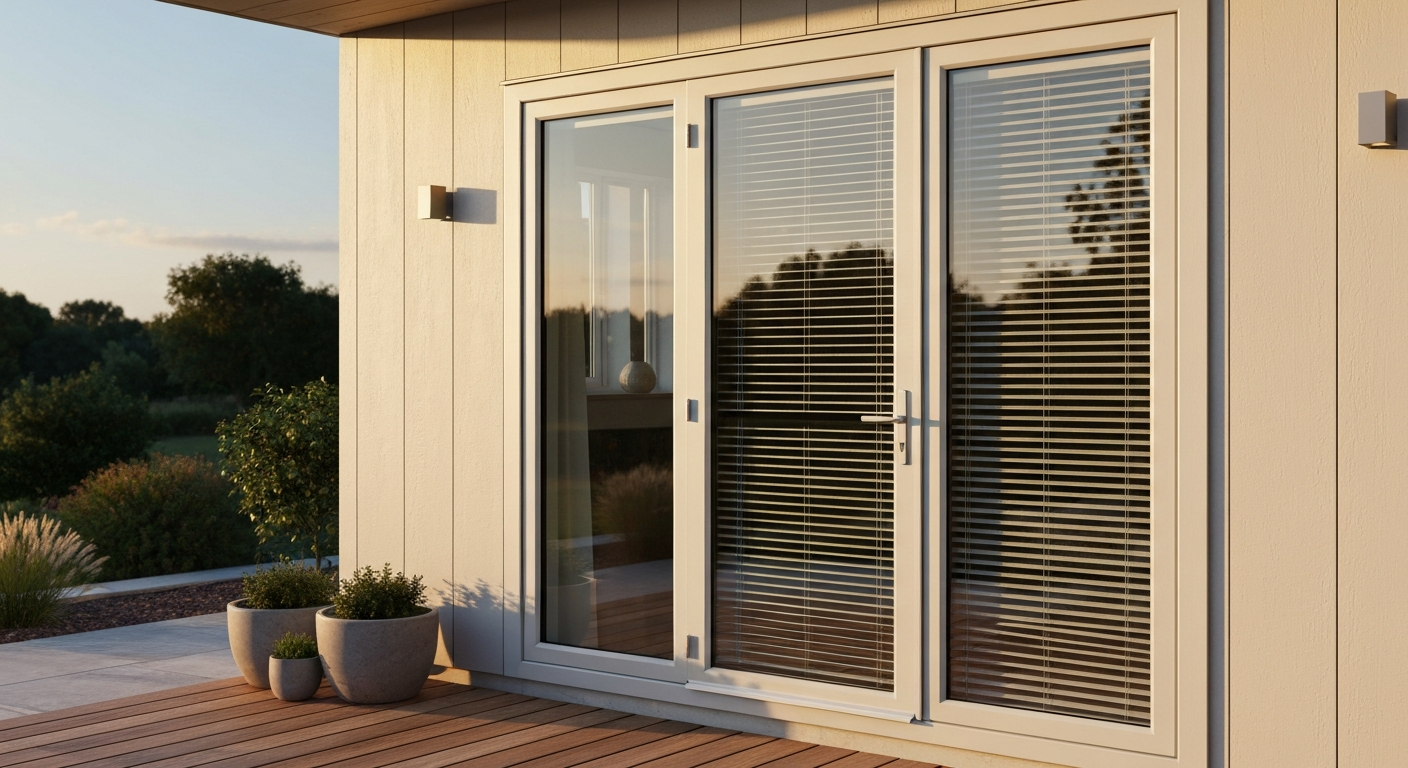
The best screen for a patio door depends almost entirely on what kind of door you have. blank" rel="noopener noreferrer">depends almost entirely on what kind of door you have. walk through screens for patio doors. Sliding patio doors pair best with a gliding/sliding screen panel in the same track system. French doors and hinged patio doors do best with a hinged or swing-style screen door, or a retractable screen that disappears into a side cassette when not in use. Bifold and multi-panel folding doors are the trickiest, and retractable accordion-style screen systems are usually your only practical option. Get that match right first, and every other decision becomes much easier.
Best Screen for Patio Door: Buyer Guide and Sizing Tips

Owen Delaney
29 May 2026
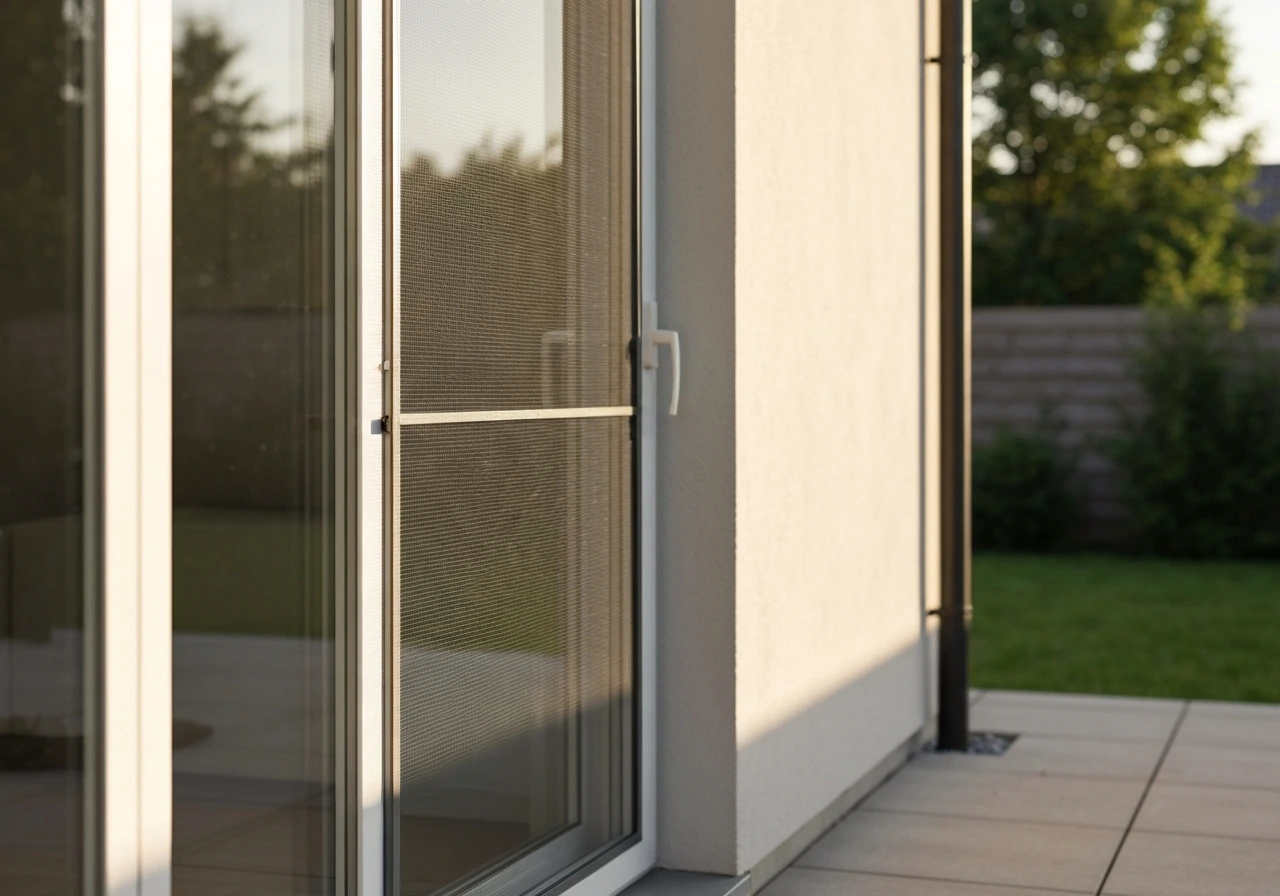
Which screen type works best for each patio door style
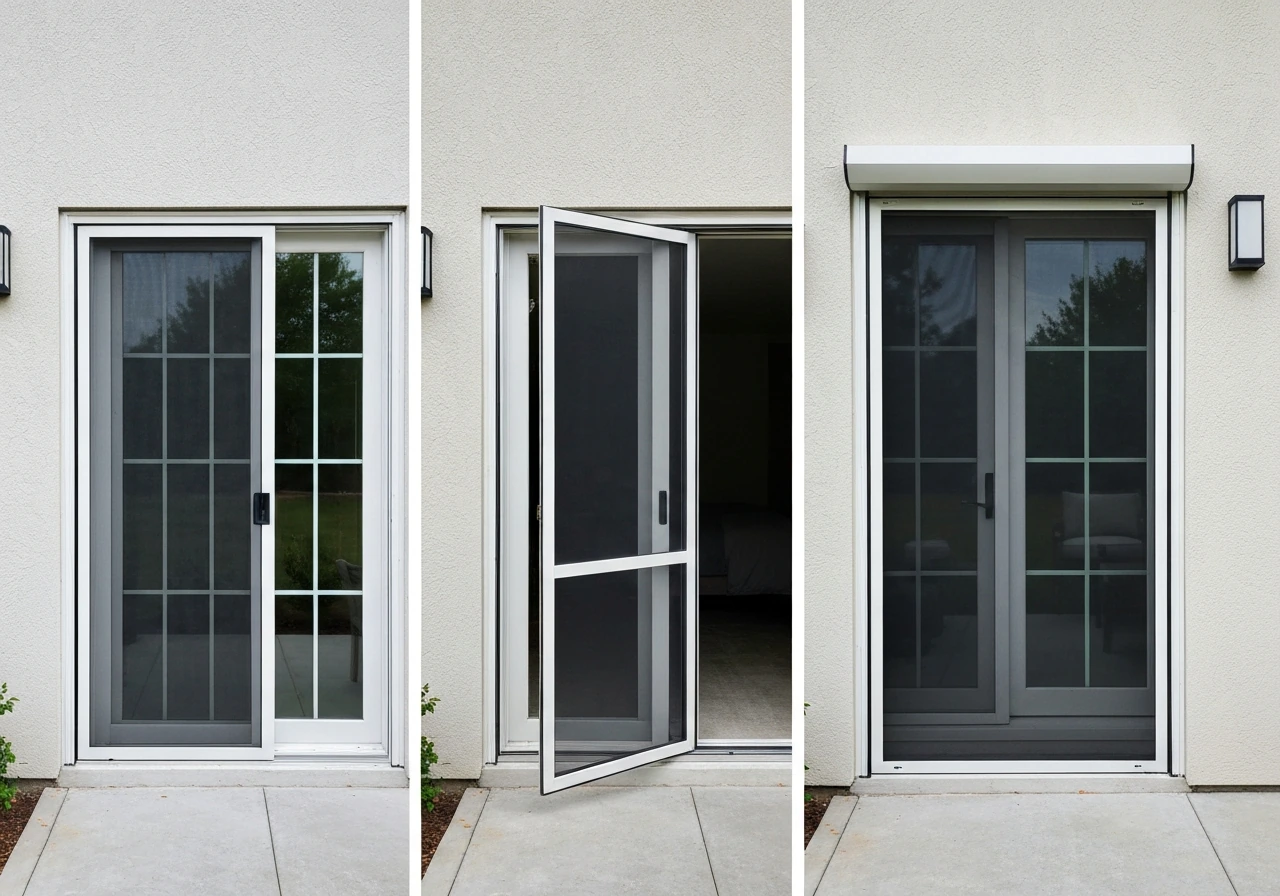
Most screen headaches start when someone buys the wrong type for their door configuration. Here is a quick breakdown before we get into details.
| Door Type | Best Screen Option | Backup Option |
|---|---|---|
| Sliding patio door | Gliding/sliding screen panel (in-track) | Retractable screen (side cassette) |
| French door (outswing) | Hinged or double-hinged swing screen door | Retractable screen (surface mount) |
| French door (inswing) | Retractable screen or hinged screen (inswing compatible) | Magnetic screen panel |
| Bifold / folding door | Retractable accordion screen system | No standard sliding panel option |
| Single hinged patio door | Hinged insect screen (model-matched) | Retractable single-panel screen |
Retractable screens are the most flexible option across all door types. Systems like those built around Centor and Brio architectures are designed specifically to work with sliding, folding, and French door configurations. Brands like Andersen offer their LuminAire retractable screen for patio doors, which rolls away into a housing cassette and is advertised as installable in about an hour. The trade-off is cost: a quality retractable screen runs $300 to $800 or more installed, while a basic sliding panel or hinged screen door can cost $50 to $200.
How to measure for a patio screen door the right way
Measuring is where most DIYers get burned, and it is usually because they measure the door opening instead of the frame or track opening. Those numbers are not the same thing.
Measuring for a sliding screen panel
For a standard sliding patio door screen, you are measuring the screen track opening, not the glass panel. The screen width should overlap onto the door frame on one side and align with the center meeting bar on the other. This overlap/fit approach is what keeps bugs out at the edges. Measure the height of the track opening from the bottom track to the top track (inside the channel), and measure the width of the space the screen panel needs to fill. Write down both numbers and confirm them at three points across the height and width, since tracks are not always perfectly square.
Measuring for a retractable screen
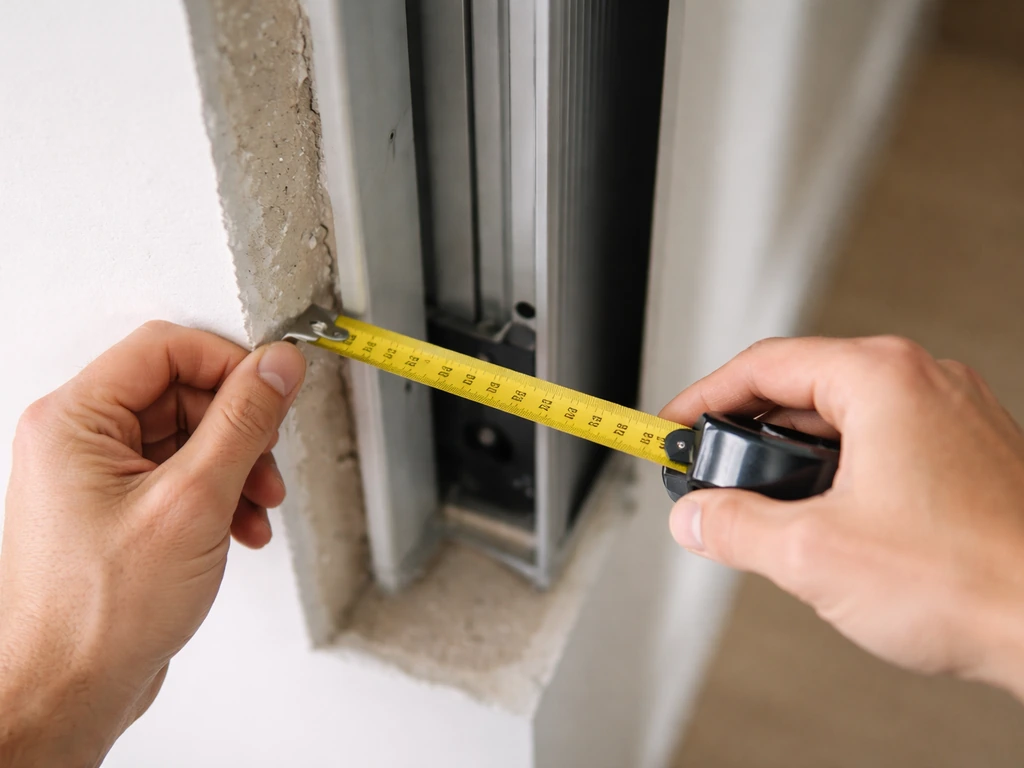
Retractable screens need clearance for the housing cassette. Casper Screens, for example, specifies a minimum of 1 inch of depth clearance on the hinge side for the cassette housing, plus additional clearance rules on the remaining sides. You also need to decide upfront whether you are doing a recess mount (housing sits inside the door frame jamb) or a surface mount (housing attaches to the face of the trim). Larson's measuring guide starts with exactly this question because the measurement process is different for each. If you skip this step, you will end up with a cassette that sticks out awkwardly or a screen that binds.
Measuring for a hinged screen door
For a swing-style screen door on a French or single hinged patio door, measure the door opening width at the top, middle, and bottom (walls are rarely plumb), then take the narrowest number. Standard hinged screen doors come in widths of 30, 32, 34, and 36 inches, with 80 inches being the most common height. If your opening is between standard sizes, buy the next size up and trim or shim to fit, or go custom.
What to look for when comparing screen options
Mesh material
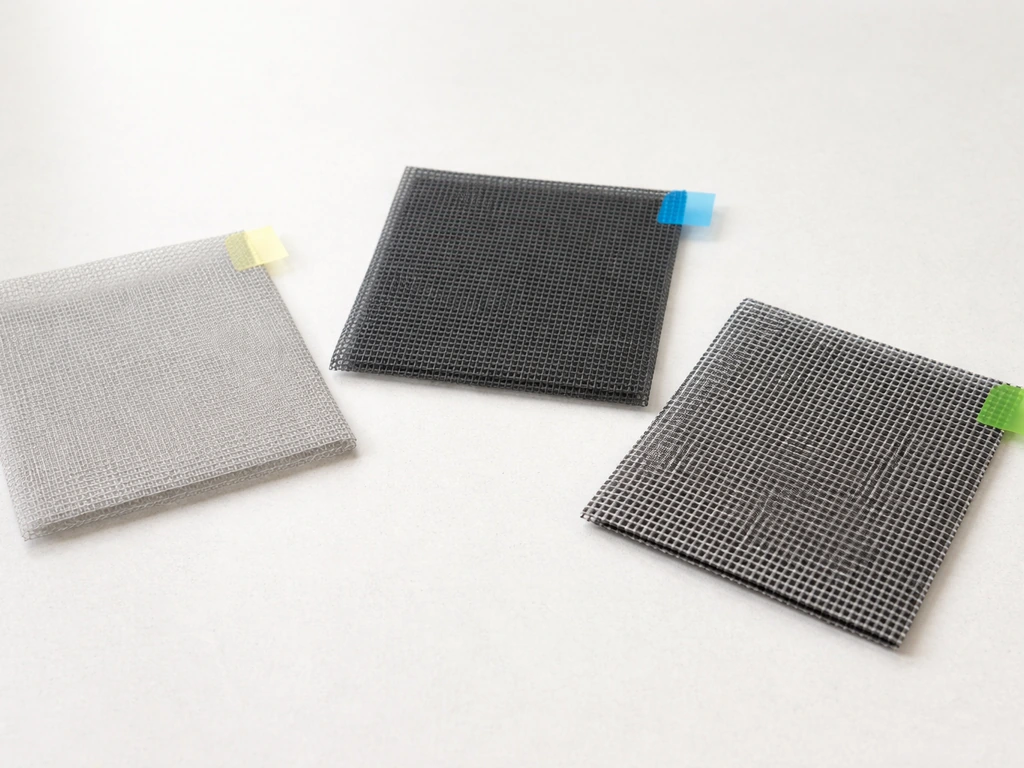
Standard 18x16 fiberglass mesh is the default for good reason: it is affordable, resists corrosion, does not oxidize, and gives decent visibility. Aluminum mesh (also typically 18x16 pattern) is woven aluminum wire that holds its shape better under impact and resists sagging over time, making it a better choice for high-traffic areas. For pets, neither standard mesh holds up well. Look for pet-resistant screen (usually a heavier PVC-coated polyester) rated for claw and snag resistance. For visibility and airflow, 18x14 or 18x16 fiberglass is fine. For pollen or small insects, a finer mesh like 20x20 helps but does reduce airflow noticeably.
Frame material
Aluminum frames are the standard for patio screen doors, and for most homes they are the right call: lightweight, rust-resistant, and easy to cut if you need to trim to fit. Fiberglass frames exist but are rare. Some premium retractable systems use aluminum cassettes with powder-coat finishes that can match your door frame color, which looks much better than a raw silver rail bolted to painted trim. If you are in a coastal or high-humidity environment, make sure any aluminum is anodized or powder-coated rather than bare.
Track and roller quality (sliding screens)
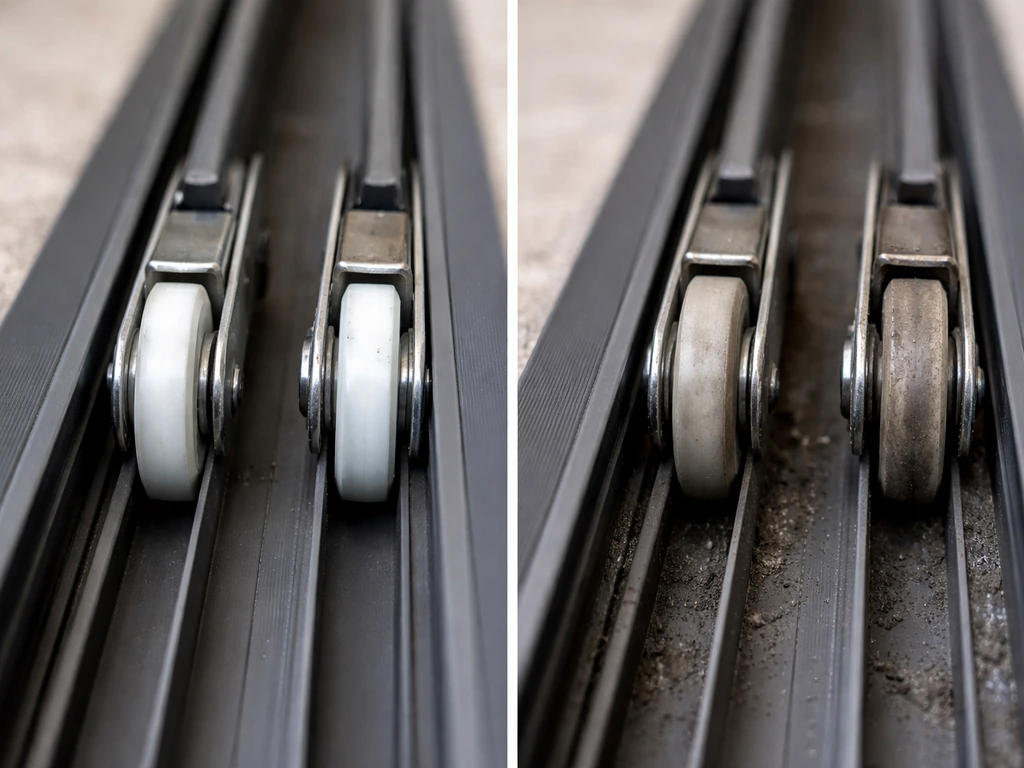
This is the number one reason sliding screen doors fail prematurely. Cheap plastic rollers crack and bind within a couple of seasons. Look for nylon or stainless-steel roller wheels that adjust up and down to keep the panel seated in the track. Viwinco's installation guidance, for example, specifically covers track seating and roller adjustment as part of proper setup, because if the rollers are not set right the screen will jump the track every time someone moves it quickly.
The top and bottom tracks should be clean channels with no sharp edges or rust. When you are evaluating a pre-made screen door kit, take the screen panel out of the box and roll it back and forth on a flat surface before buying if possible.
Hinge quality (hinged/swing screens)
Andersen's hinged insect screen accessories rely on specific top-hinge hardware and assembly steps to get alignment and hang right. The lesson here applies to any hinged screen: the hinge must be sturdy enough to hold the door without sag, and the frame must be rigid enough that it does not flex and bind. Three-point hinges outperform two-point on doors wider than 32 inches. A good self-closing spring or pneumatic closer is worth the extra $10 to $15 since a screen door that does not close automatically is a screen door that will be left open.
Locks, latches, and security
Screen doors are not security doors, but a latch that actually engages matters for keeping kids and pets in (or out). Phantom Screens offers a mesh lock option on their retractable door screens that uses a quick-release thumb latch integrated into the handle to prevent the screen from being accidentally pushed open. Phantom describes a “mesh lock” option that uses an integrated quick-release thumb latch in the handle to secure the retractable door screen from unintended openings [mesh lock option](https://pro.
phantomscreens. com/retractable-screens/door-screens-with-mesh-lock/). For swing screen doors, a hook-and-eye latch is the bare minimum; a spring-loaded keyed latch is better if you want to use the screen door as a secondary barrier when you leave the main door open. If actual security is a concern, a patio security screen door (powder-coated steel mesh in an aluminum or steel frame) is a separate product category worth considering.
Best screen options by patio door type and use case
Bug protection (mosquitoes, flies, gnats)
Standard 18x16 fiberglass or aluminum mesh handles mosquitoes and flies just fine. For a quick buying shortcut, look for the best fly screen for patio doors that matches your door style and includes a tight edge seal to block insects. For gnats and no-see-ums, step up to 20x20 mesh. The screen type matters less here than the seal at the edges: gaps where the screen meets the frame or track are where bugs actually get in.
For sliding doors, this means properly overlapping panels and weatherstripped edges. For hinged screens, a door sweep at the bottom and foam compression seals on the sides make a real difference. If you are dealing with serious mosquito pressure and want to go further, there are also dedicated patio door bug screen solutions worth comparing.
If you want a single product that blocks mosquitoes and flies while still letting fresh air in, a patio door bug screen is the straightforward choice.
Pets
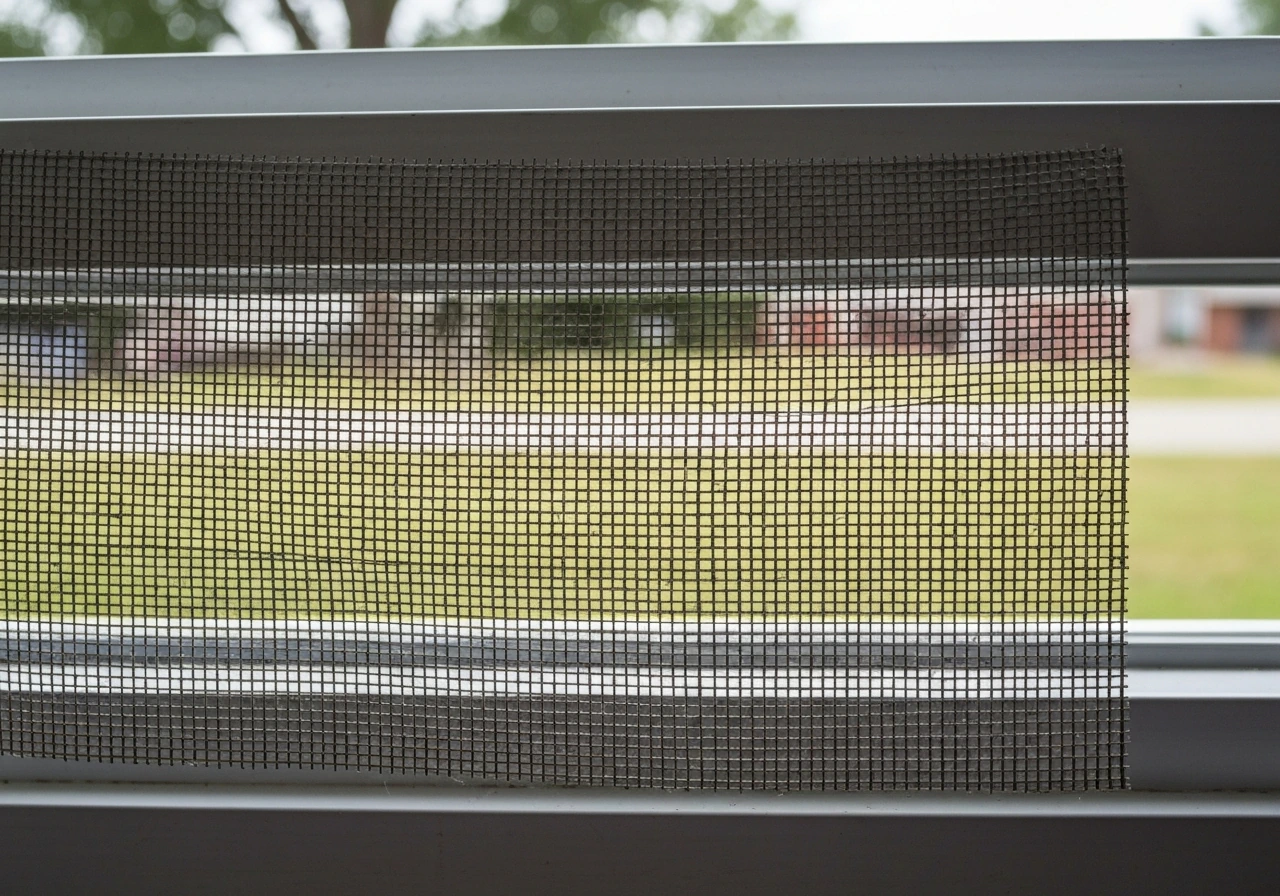
If you have a dog or cat that leans, scratches, or runs into the screen, standard fiberglass will be shredded within months. Pet-resistant mesh (products like Phifer PetScreen are the most widely available) is a heavily woven PVC-coated polyester that resists puncture and snag. It is available as a replacement mesh for most frame types, so you can often buy a standard screen door and just swap the mesh yourself. For very large or energetic dogs, a solid aluminum-frame sliding screen with pet mesh and a bottom kick plate is the most durable setup.
Airflow and visibility
Standard 18x16 mesh in fiberglass gives the best balance of airflow and visibility for everyday use. Finer mesh cuts airflow. If you want maximum airflow and minimal visual obstruction, go with the largest mesh opening that still blocks the insects in your area. Aluminum mesh tends to be slightly more visible (more glare) than fiberglass in bright sunlight, which is worth knowing if your patio door faces west. Retractable screens, when fully extended, perform the same as any other screen for airflow, but they do allow you to completely remove the visual obstruction when you want the full open view.
Privacy
Standard insect screens offer almost no privacy since they are designed to be transparent. If privacy is a goal, you are looking at solar screen mesh (typically 80 to 90 percent blockage) which also reduces heat gain and UV. Solar screens are usually available in charcoal or bronze and can be installed in the same frame types as standard mesh. The trade-off is reduced airflow and a darker indoor view. For full privacy combined with bug protection, a sheer curtain panel on a tension rod behind the screen door is the simplest and cheapest solution.
Budget and value: what different price points actually get you
| Price Range | What You Get | Best For |
|---|---|---|
| $30 to $80 | Basic sliding screen panel or hinged screen door kit, fiberglass mesh, plastic rollers or light aluminum frame | Replacement screens, renters, low-traffic doors |
| $80 to $200 | Mid-grade sliding screen with nylon rollers, better frame construction, or a solid hinged screen door with self-closer and latch | Most homeowners, standard sliding or French doors |
| $200 to $450 | Premium sliding screen with adjustable steel rollers and pet mesh, or a quality single-panel retractable screen (DIY install) | Households with pets, high-traffic doors, better aesthetics |
| $450 to $900+ | Professionally installed retractable screen (single or double panel), powder-coated housing, color-matched to door frame, manufacturer warranty | French doors, bifold/folding doors, premium installs |
| $900 to $2,500+ | Full retractable accordion screen system for wide bifold or multi-panel folding doors, custom sizing, integrated track | Large folding/bifold patio door systems, high-end renovations |
The most common mistake is buying in the $30 to $80 range for a door that sees daily use. Cheap plastic rollers and thin frames will cost you a replacement in two to three years. For a main patio door that gets used every day in spring and summer, the $80 to $200 range is the sweet spot for value. Retractable screens are genuinely worth the premium for French doors and bifold doors where a sliding panel is not an option, but for a standard sliding patio door they are a luxury, not a necessity.
DIY vs. pro installation, and when to upgrade vs. replace
What you can realistically do yourself
Sliding screen door replacement is one of the more beginner-friendly home improvement tasks. If your existing track is in good shape, you can buy a new sliding panel, drop it into the top track first, then compress and seat the rollers into the bottom track, adjust the rollers with a screwdriver, and test by sliding back and forth. The Home Depot installation guide for sliding patio screens includes alignment checks as a final step for this exact reason. Realistically, this takes 20 to 45 minutes and needs no special tools. Hinged screen door installation is similarly straightforward: mount the hinge side, hang the door, install the closer and latch, done.
When to call a pro
Retractable screen systems for bifold or French doors are where DIY gets genuinely difficult. The housing cassette has to be perfectly level and plumb, the tracks have to be aligned top and bottom, and the screen tension has to be set correctly or the screen will not retract smoothly. Andersen's LuminAire installation guide includes a track adapter step (positioning a track adapter in the center of the screen track) that has to be done precisely or the screen binds.
If you are handy and patient, a single-panel retractable screen install is manageable in about an hour as Andersen advertises. For multi-panel accordion systems on wide bifold doors, I would hire a pro. Misalignment on a $1,200 system is a painful and expensive mistake.
Add-on screen vs. full replacement
If your patio door did not come with a screen (and many do not, which surprises a lot of buyers), you have two paths: add an aftermarket screen to your existing door, or replace the door with one that has a built-in screen system. For most people, an aftermarket add-on is the right move since replacement patio doors are a $1,500 to $5,000+ project.
The exception is if your door is already aging, energy-inefficient, or damaged, in which case the timing makes sense to bundle. Andersen, for example, offers multiple screen options including hinged, double-hinged, gliding, and retractable styles for their patio door lines, so the screen can be added as an accessory rather than requiring a full door swap. If you are having a door replaced anyway, ask specifically about screen compatibility and whether the screen is included or an add-on cost.
One thing worth noting: screen systems are often door-model dependent. Andersen documents their hinged insect screens specifically for the 400 and 200 Series, with separate guidance for the A-Series. This means a screen that fits one brand or series may not fit another, even if the door opening dimensions are identical. Always confirm screen compatibility with your specific door model before ordering, especially for hinged and retractable options.
Keeping your patio screen working smoothly for years
Most screen problems are maintenance failures, not product failures. Here is what actually matters for long-term performance.
- Clean the tracks twice a year: vacuum out debris, then wipe with a damp cloth. Grit in the bottom track destroys rollers faster than anything else.
- Lubricate rollers and hinges annually with a silicone spray (not WD-40, which attracts dirt). This keeps sliding panels gliding smoothly and prevents hinges from squeaking and binding.
- Adjust roller height every spring if the panel starts catching or jumping the track. There are usually two Phillips-head screws on the bottom of the panel that raise or lower the rollers.
- Inspect the mesh for tears before bug season. Small tears can be patched with screen repair tape as a temporary fix, but a full mesh replacement is cheap (usually $10 to $25 in material) and worth doing rather than letting the tear grow.
- For retractable screens, clean the cassette housing slot where the screen retracts, since debris in that channel causes the screen to bunch and jam. A soft brush or compressed air works well.
- Check the weatherstripping or foam seal around hinged screen doors each spring. It compresses over time and stops sealing properly, which is when you start noticing bugs getting through.
- Store or protect retractable screens in extreme cold climates: some retractable screen cassettes can crack in very low temperatures if the screen is left extended and then retracted rapidly.
If you are dealing with a screen that needs full re-meshing rather than just a patch, that is a straightforward repair a screen shop can do for $25 to $60 per panel depending on mesh type, or you can do it yourself with a spline roller kit for about $10. There are also services that come to you for rescreening, which is worth knowing if you have multiple panels to refresh at once. If you already have patio doors and you are planning to rescreen, you can match the right screen type to the door style and measurements so the edges seal properly rescreening patio doors.
The bottom line: match the screen to the door, then sweat the details
The single most useful thing you can do before buying anything is confirm your door type and measure the opening correctly, including clearance for any housing cassette if you are going retractable. From there, choose mesh based on your real-world needs: standard fiberglass for most situations, pet screen if you have animals, solar screen if privacy or heat gain is a problem.
Spend a little more to get decent rollers or hinges and a proper self-closer, and you will have a screen that works reliably for a decade instead of one that frustrates you every summer. For sliding patio doors, the top track matters as much as the mesh, so choose a smooth, properly seated track system to get the best overall performance top track for patio screen door.
If your door did not come with a screen, an aftermarket add-on is almost always the right call over a full door replacement unless you are already planning a renovation.
FAQ
How can I tell whether my sliding patio door needs a sliding screen panel or a retractable screen?
Check whether you have a matching track system and roller guides on the screen side. If there is already a track channel that the screen panel would ride in, a standard sliding screen panel is usually the simplest fit. If you want the screen to disappear fully and you can provide the extra clearance for a housing cassette, then a retractable system is the better match.
What should I measure if my patio door opening looks off-square or the corners don’t line up?
Take measurements at multiple points, not just one opening width. Use the narrowest width for hinged swing doors, and for sliding/retractable systems measure both height and width at three points across the opening. Also confirm the track opening is level and straight, because a slightly twisted track can cause edge gaps even with the correct screen size.
For sliding patio doors, should I size by the glass panel dimensions or the screen track opening?
Use the screen track opening, not the glass. The screen needs specific overlap onto the frame and correct alignment with the meeting bar (for the fixed portion and where panels meet). Using glass dimensions often creates a screen that looks close but leaves insect-entry gaps at the edges.
Do I need weatherstripping, or is mesh alone enough to keep bugs out?
Mesh alone is rarely enough. The biggest bug control comes from edge sealing where the screen meets the frame or track, plus a proper bottom sweep on hinged screens. If you see daylight when the door is shut, or if the screen can be pushed away from the sides, prioritize seals and fit before changing mesh type.
What’s the difference between pet-resistant mesh and a pet-resistant door setup?
Pet-resistant mesh (heavier PVC-coated polyester) helps, but setup details still matter, especially impact points. For energetic animals, a sturdier frame and a bottom kick plate reduce the chance of claws catching, and for sliding doors a solid aluminum-frame configuration is typically more durable than a lightweight kit.
Can I trim a pre-made hinged screen door if my opening doesn’t match the standard widths?
Often you can adjust for minor differences by buying the next size up, then trimming or shimming. However, don’t assume any model can be safely altered, because changing frame geometry can affect latch alignment and closing tension. If your gap is more than about an inch, consider custom sizing or a different door kit.
What clearance do retractable screen cassettes require, and how do I confirm it on my door?
You need clearance for the housing cassette on the hinge or housing side, plus space for the track and side seals. Before ordering, measure from the mounting surface to any obstructions like trim, window casing, or door molding, and compare to the manufacturer’s minimums. If you are doing a recess mount, also check that the jamb depth is sufficient, otherwise you may end up with binding or a visible cassette protrusion.
My screen door squeaks or doesn’t close smoothly, what should I inspect first?
Start with track cleanliness and seating, then roller adjustment for sliding systems, and hinge condition and alignment for swing doors. Misadjusted rollers that sit too high or too low can cause the panel to jump the track. For hinged doors, a sagging hinge or a flexible frame can prevent proper latch engagement even if the mesh size is correct.
Is a screen door latch the same as a security device?
No. A screen latch is mainly for keeping the screen properly closed and preventing accidental pushes. If you need an actual deterrent, look for a patio security screen door option that uses a stronger frame and tighter enclosure, and consider keyed or more robust locking hardware designed for security rather than convenience.
Which mesh size is better for gnats and no-see-ums, and what trade-off should I expect?
A finer mesh like 20x20 blocks smaller insects better, but it reduces airflow and can slightly darken the view compared with 18x14 or 18x16. If air flow is a priority, balance protection needs with ventilation by confirming local insect pressure and choosing the coarsest mesh that still stops your target insects.
Should I choose fiberglass or aluminum mesh and frames if I live in a coastal or humid area?
For frames, aluminum is generally the practical choice because it resists corrosion, but finish quality matters. For coastal/high humidity areas, ensure aluminum parts are anodized or powder-coated rather than bare. Aluminum mesh can hold its shape better, but it can be more visually reflective in bright sun depending on your patio orientation.
What’s a cost-effective way to rescreen if only the mesh is damaged?
If the frame is still straight and the spline channel is usable, a re-meshing job is often cheaper than replacing the full door or panel. For DIY, a spline roller kit can be a low-cost approach, but replacement panels or a pro rescreening service is often worth it when multiple panels need matching mesh type and tight edge sealing.
If my patio door didn’t include a screen, is it smarter to add an aftermarket screen or replace the door?
In most cases, an aftermarket screen add-on is smarter because patio door replacement is a much larger project and cost jump. Replacing the door can make sense only if the existing door is already failing (drafty, damaged, or energy-inefficient) and you want to bundle improvements. If you do replace, ask whether the screen is included and confirm compatibility with your door series.