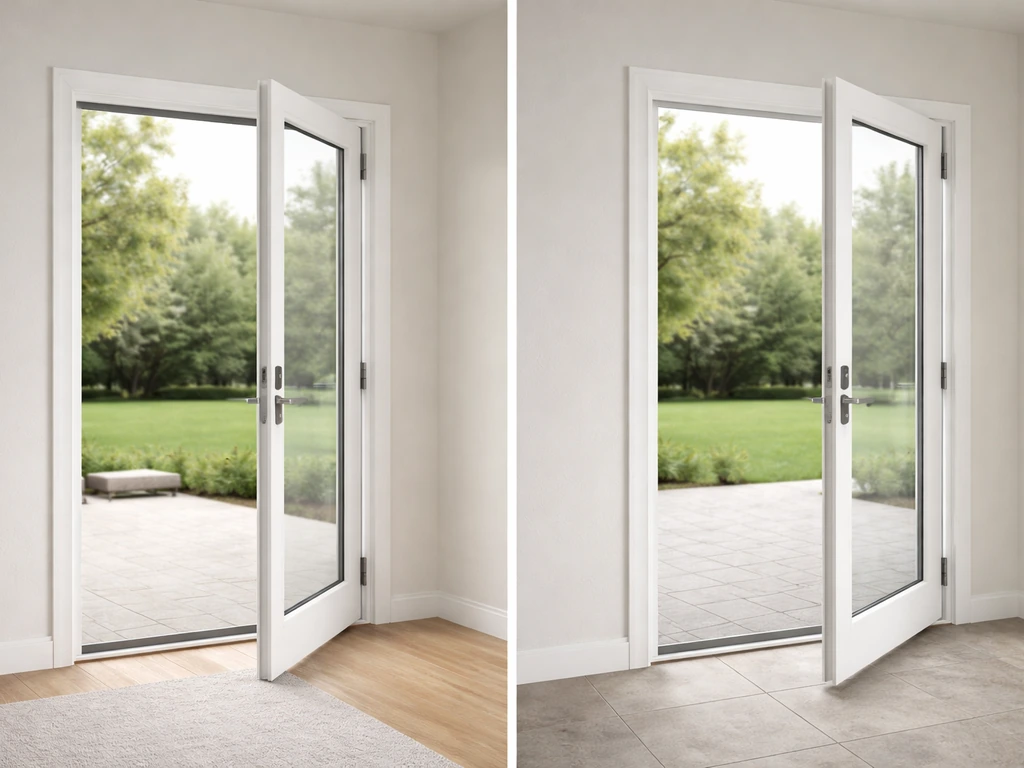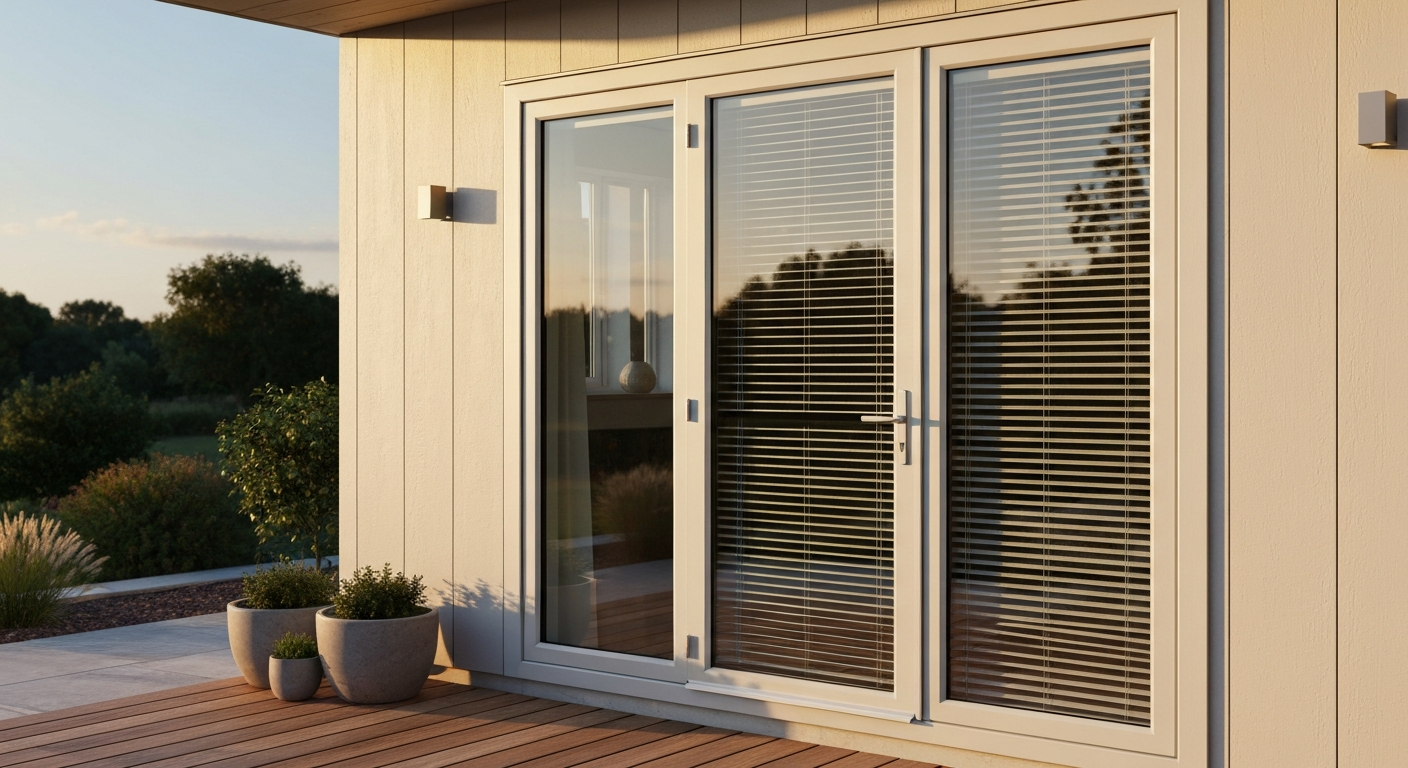
Yes, many sliding patio doors can be reversed to change the opening direction from right-to-left or left-to-right, but whether yours actually can depends heavily on the brand, model, and how the hardware is configured. Some doors are explicitly marketed as reversible and come with manufacturer instructions for doing it. Others require replacing the track, screen panel, or even the entire active panel to make it work. A few simply can't be reversed without buying a new door system. The good news: you can usually figure out which category you're in within about 20 minutes of inspecting the door you already have.
Can Patio Doors Be Reversed? Sliding Door Handing Guide

Owen Delaney
30 May 2026
What 'reversing' a sliding patio door actually means
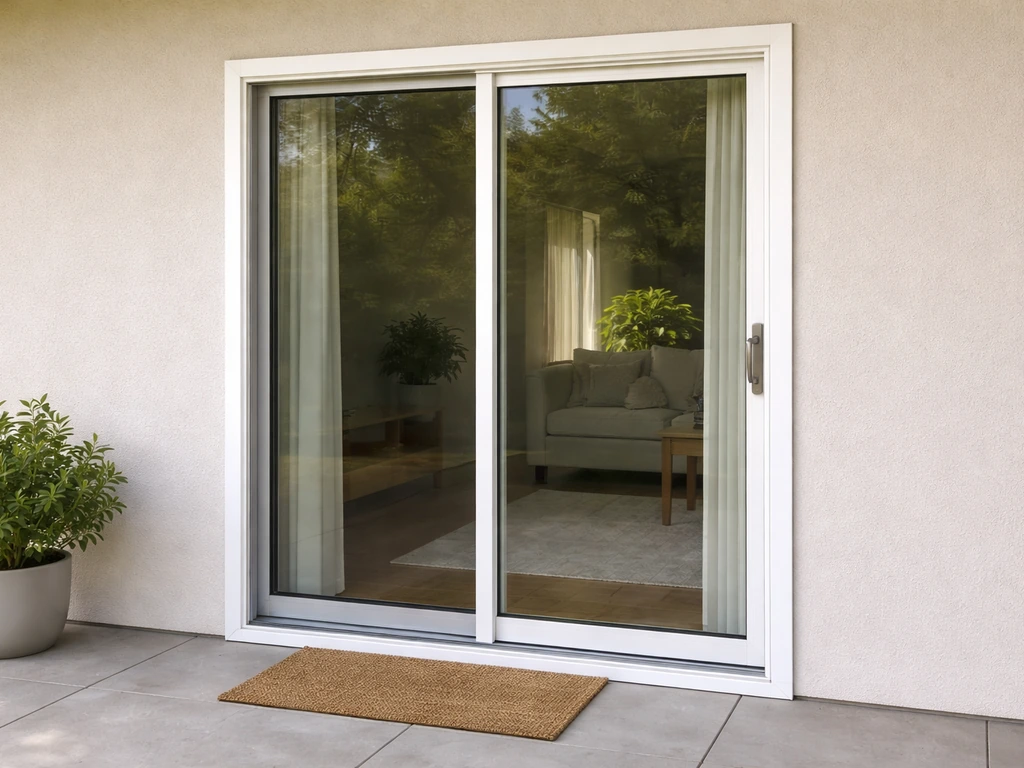
When someone asks if a sliding patio door can be reversed, they're usually asking about handing, which is just which side the operating (sliding) panel sits on when the door is closed and locked. A right-hand door has the active panel on the right side when you're standing inside looking out. A left-hand door has it on the left. Reversing the door means swapping that configuration so the sliding panel operates from the opposite side.
This comes up a lot during renovations when furniture placement changes, when a new deck or patio layout makes one side more convenient, or when a homeowner discovers mid-installation that they ordered the wrong hand. If you're also weighing whether a sliding door is even the right choice versus a French or bifold door, the handing question is closely related to which swing or slide direction works best for your space. If you are choosing between swing and slide, it also helps to know whether patio doors should swing in or out for the flow of traffic in your space should patio doors swing in or out.
Can sliding patio doors actually be reversed?
The short version: some can, some can't, and most fall somewhere in between where it's technically possible but requires swapping out specific components. Several major manufacturers explicitly design for this. United Window and Door markets its 4500 series as reversible and publishes a step-by-step reversal instruction PDF. Windsor Windows has a 'Reversible Handing Option' document that walks through the process. Alside's A170 series tech manual includes a full 'reverse hand conversion' section. These are doors built with the expectation that installers or homeowners might need to flip the handing in the field.
On the other end, some doors are fully handed from the factory, meaning the frame, track drainage, and panel components are manufactured specifically for one direction. blank" rel="noopener noreferrer">Andersen, for example, is detailed about which parts are handed and which aren't: rollers, insect screens, and the interlock weatherstrip between the stationary and operating panels are not handed and work either way. But exterior handles, the jamb hardware, weatherstripping on the jamb itself, and exterior keyed locks are all handed. On a left-hand Andersen patio door, the interior handle is actually a right-hand handle, which adds to the confusion. The point is that reversing it means swapping more than just flipping the panel.
How to tell if your door is actually reversible
Before you pull anything apart, spend a few minutes doing this inspection. You're looking at four things: the track configuration, the hardware and lock, the roller placement, and the weatherstripping setup.
Check the track and sill
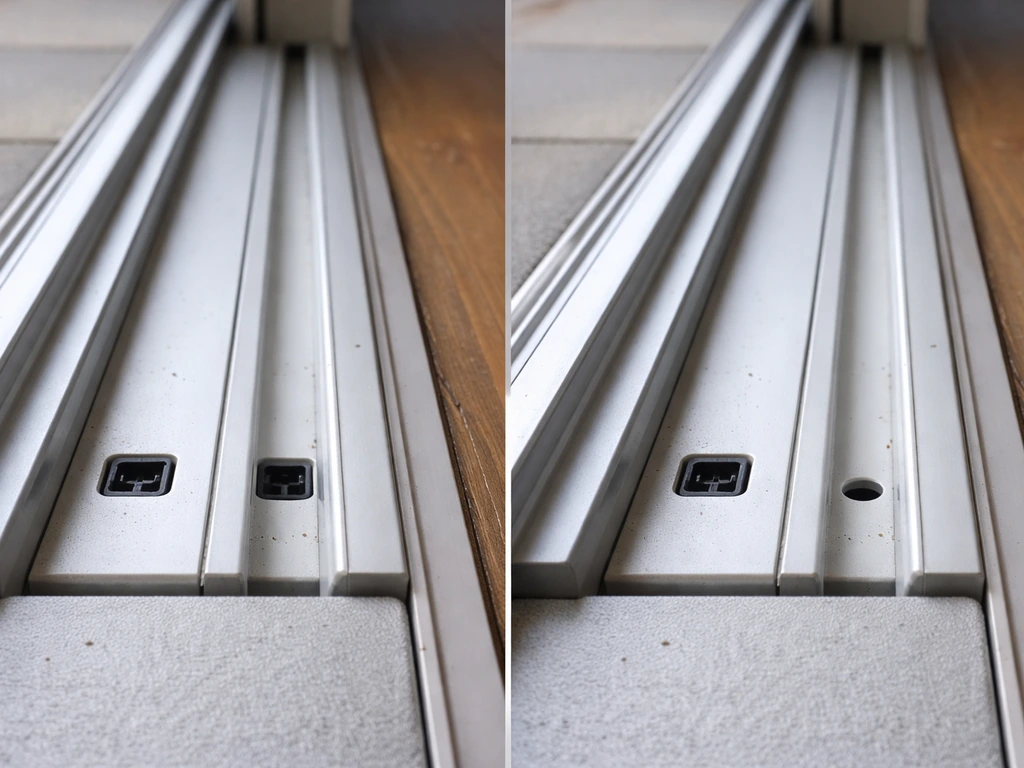
Look at the bottom sill and track. Some sills are symmetrical, meaning the track channels and any drain slots are centered or mirrored. Others have drain holes drilled on one specific side to manage water runoff, and those are directional. Windsor's reversal instructions specifically call out that leaving the water drain on the wrong side after conversion will prevent the door from draining properly. If your sill has a single drain position on one side only, that's a flag that the track may need to be replaced or repositioned for a proper reversal.
Look at the handle, lock, and mortise
The handle and lock assembly are almost always handed. The mortise lock (the rectangular lock body embedded in the door panel edge) is oriented for a specific side, and the set screws or visible hardware face a certain direction based on that. If you try to use a handed lock on the wrong side, the mechanism won't engage correctly, or you'll have exposed set screws facing outward. Some locking hardware is field reversible, meaning you can disassemble it and flip the latch mechanism. Others are not. Check your door brand's parts catalog or look up the model number to confirm.
Inspect the roller position and panel configuration
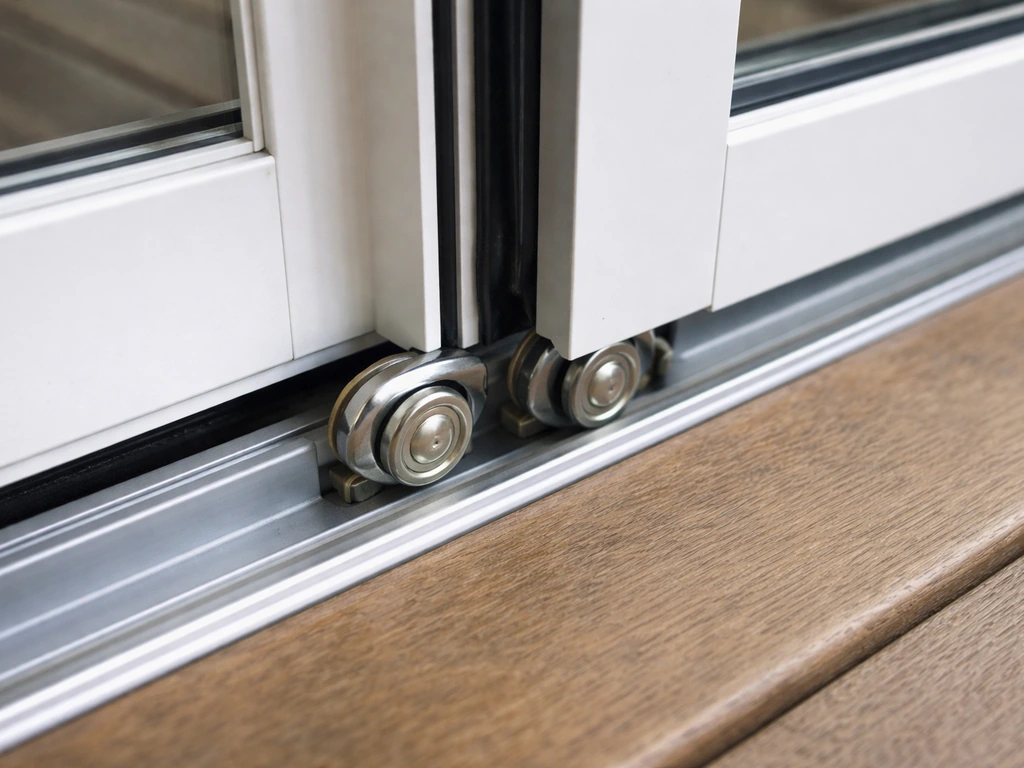
Rollers on most modern sliding doors are not handed, they can physically be mounted on either end of the panel. What matters is whether they're accessible to be moved. On Windsor doors, the reversal process specifically involves moving roller assemblies from one end of the panel to the other. United Window and Door's process involves removing the operating panel entirely and repositioning the rolling hardware. If your rollers are riveted or permanently set, that's a problem. If they're screwed or clipped in, you're likely in good shape.
Check the interlock and weatherstripping
The interlock is the vertical weatherstripping piece that runs between the stationary and active panel where they meet in the middle. On Andersen doors, this component is explicitly listed as not handed, so it doesn't need to change. On other brands, this may be directional. You'll also need to look at the weatherstripping along the jamb (the side frame), which is often handed and may need to be replaced or repositioned.
What you'll typically need to change
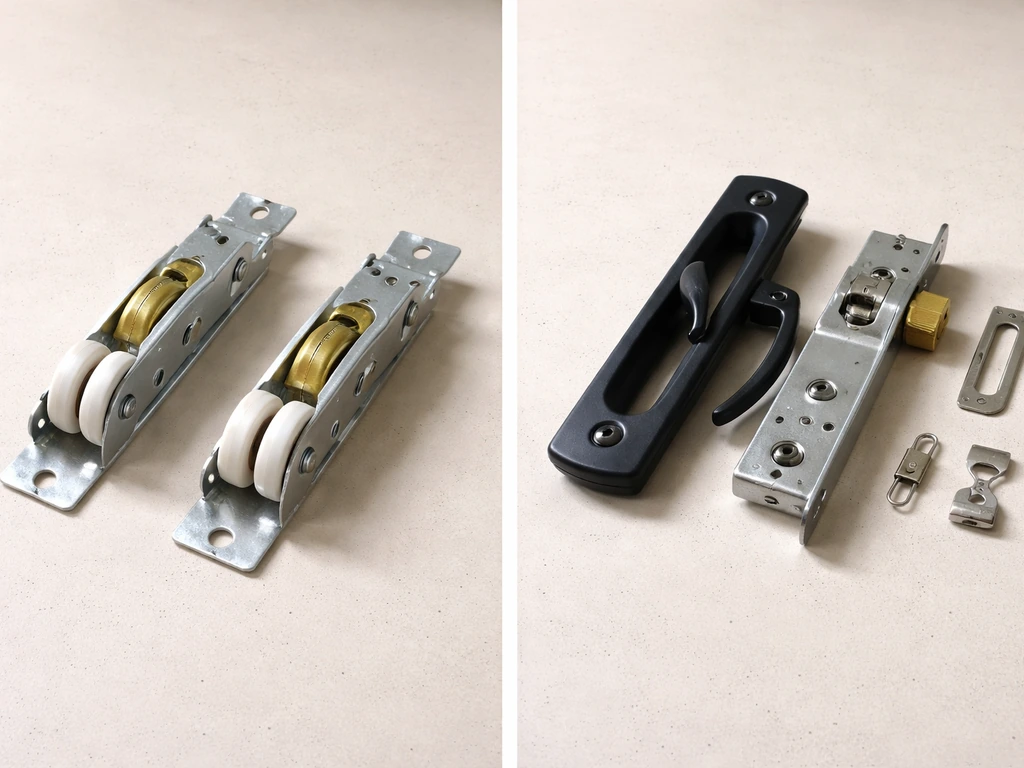
Even on a 'reversible' door, there's usually a list of components to swap or reposition. Here's what to expect across most sliding door systems:
| Component | Handed? | What Usually Needs to Change |
|---|---|---|
| Rollers | Usually not handed | Move from one end of panel to the other |
| Handle/lever | Usually handed | Replace with opposite-hand version or use field-reversible model |
| Mortise lock | Usually handed | Replace or reverse internal mechanism if field reversible |
| Track/sill | Sometimes handed (drain holes) | May need to replace or redrill drain position |
| Screen track | Often needs replacement | Windsor explicitly requires new screen track during conversion |
| Panel track | Often needs replacement | Windsor requires new panel track during conversion |
| Jamb weatherstripping | Often handed | Reposition or replace |
| Interlock weatherstrip (center) | Usually not handed | Typically reuse as-is |
| Fixed/stationary panel | Usually not handed | Typically stays in place |
| Active panel (tall doors) | Can be handed at 8/0 height | Alside A170 at 8'0" height requires a new manufactured panel |
How to reverse a sliding patio door: the general process
Every brand has its own specifics, so always pull the installation or tech manual for your exact model before starting. That said, the general sequence follows a similar pattern across most reversible sliding door systems.
- Identify the door's brand, model, and series number (usually on a sticker on the frame or jamb edge). Download or request the reversal instructions specific to your model.
- Gather tools: a flathead and Phillips screwdriver, needle-nose pliers, a rubber mallet, and a utility knife for weatherstripping. Some models require a drill or Allen wrench.
- Remove the screen panel first. Most screens lift out of the track from the bottom and tilt free. Set it aside.
- Remove the operating (sliding) panel by lifting it up into the top track until the bottom clears the sill, then tilt the bottom toward you. Get help for this, most door panels weigh 50 to 100+ pounds.
- Reposition the roller assemblies from the current active end of the panel to the opposite end. On United Window and Door systems, this also involves repositioning the rolling track hardware using pliers.
- Swap or reverse the handle and mortise lock. If the lock is field reversible, disassemble and flip the internal mechanism per the manufacturer's instructions. If not, order the opposite-hand hardware before proceeding.
- Address the track and sill. If your sill has directional drain holes, consult the manufacturer about repositioning or plugging and redrilling. Windsor's process requires replacing both the screen track and the panel track entirely.
- Reinstall the operating panel from the new side, making sure rollers engage the track cleanly.
- Reinstall and reposition the jamb weatherstripping on the correct side.
- Test the door: it should slide smoothly, latch securely, and the lock should engage without forcing. Check for any gaps in weatherstripping that could affect energy performance.
One specific note on tall doors: Alside's A170 manual calls out that doors at 8 feet tall require a new active panel manufactured for the correct hand. You can't just reuse the existing panel by flipping it. If you have an 8-foot door and you're mid-renovation, factor in lead time for a new panel before committing to the reversal path.
When reversing isn't worth it (or just isn't possible)
There are situations where attempting a reversal will cost more in parts, time, and frustration than just getting the right door from the start. Here are the clearest signs that reversal isn't the right move:
- The manufacturer doesn't offer a reversal procedure for your specific model, which means the door wasn't designed for it and you'd be improvising.
- The sill and track are permanently formed with drainage on one side only, and replacement track isn't available for that model.
- Your door is a 4-panel gliding unit (like some Andersen configurations), where both sides have operating panels and the 'handing' concept works differently than on a standard 2-panel unit.
- The door is older or discontinued and replacement handed hardware (handles, locks, mortise) is no longer available from the manufacturer.
- You have a full-height 8-foot door that requires a new active panel, and you'd rather put that money toward a complete replacement unit that comes correctly handed.
- The door already has fit, seal, or frame issues that make it a candidate for replacement anyway.
In these cases, the better move is usually to order a new sliding door unit in the correct hand from the start, or to reconsider the door type entirely. If you're rethinking the whole setup, this is a good time to evaluate whether a French door or bifold system would work better for your layout. French doors, for instance, handle the 'which side opens' question differently since both panels can be active, and the swing direction is a separate decision.
That means the right question is often should French patio doors swing in or out for your specific layout, traffic flow, and clearance which swing or slide direction works best for your space. Bifolds fold entirely out of the way, which eliminates the handing concern altogether in some configurations.
Your reversal checklist for today
If you want to figure out your situation right now, here's what to do this afternoon:
- Find your door's brand and model number (check the sticker on the frame, sill, or inside the jamb).
- Search the manufacturer's website for a reversal guide, tech manual, or handing conversion document for your specific series.
- Inspect the sill for drain hole location: symmetrical or one-sided?
- Check the rollers: are they screwed in and movable, or permanently fixed?
- Look up whether your handle and mortise lock are field reversible or require an opposite-hand replacement part.
- Confirm your door height: if it's 8 feet tall, check whether a new active panel is required for your brand/model.
- If the reversal is possible, order any replacement components (track, handles, locks) before disassembling anything.
- If a reversal isn't supported by your manufacturer or requires too many new parts, price out a new correctly-handed unit for comparison.
- If you're open to changing door types entirely, evaluate whether a French door or bifold configuration solves the layout problem more cleanly than reversing a sliding system.
The honest reality is that reversing a sliding patio door is completely doable on the right model, and manufacturers like United Window and Door, Windsor, and Alside have made it a straightforward process for their reversible series. If you are deciding between outswing vs inswing patio doors, the handing and swing behavior can affect how you plan the layout and airflow around the opening reversible series.
But it's not universal, and going in without checking your specific door's manual first is how homeowners end up with a half-disassembled door and no path forward. Get the documentation first, check the five key components (track, rollers, handle, lock, weatherstripping), and you'll know within the hour whether you're doing a same-afternoon job or calling in a replacement order.
If you’re deciding between a sliding panel that moves left-to-right inside the opening versus one that operates to the outside, the hand and door-swap feasibility will affect what you can install slide inside or outside.
FAQ
How can I tell in 20 minutes whether my patio door is actually reversible?
You can reverse the handing only if your model is built to accept the opposite configuration. The fastest reality check is the sill drainage and jamb hardware fit, if those are one-sided or keyed to a specific handed lock and handle orientation, the conversion will likely require component swaps or may not be supported at all. When in doubt, confirm with the exact model number in the brand’s tech manual.
What roller hardware details mean my door probably cannot be reversed?
Assume the door will not be safely reversible if it has a permanently mounted or riveted roller setup. If the rollers are secured with screws or clips and can be repositioned, that usually means the track and panel geometry will support handing conversion. If you cannot access and move the roller assembly without drilling or cutting, plan on replacement instead.
Will reversing my patio door affect drainage at the threshold?
Track reversal is one of the biggest deciding factors. If the sill has drain channels or drain holes drilled on only one side, you must match the drainage orientation to the converted hand. Leaving the drain on the wrong side can lead to water pooling at the threshold even if the door “fits” mechanically.
Why do doors that look reversible still won’t lock correctly after conversion?
Yes, the lock and handle assembly is often the part that breaks the “simple swap” assumption. Even when the door panel moves, a handed mortise lock body, latch orientation, or externally visible hardware can prevent proper engagement or cause exposed set screws. Some hardware can be field reversed, but others require replacement.
Do I need to replace weatherstripping when I reverse the door hand?
In most systems, the interlock weatherstripping that seals where the panels meet is either non-handed (stays the same) or handed (must change). You need to verify both the vertical interlock piece and the weatherstripping on the jamb, because jamb strips are frequently direction-specific and can require repositioning or new parts.
Can I reverse a door by flipping the panel, or do I need a new panel?
If your kit requires replacing the active panel, you cannot simply flip the existing panel and expect it to work. Tall doors and some models may also require a matching roller set, handle, and interlock orientation that is built into the new hand-specific panel or assembly.
What order should I inspect components in before attempting a reversal?
Do not start by removing everything. Use a stepwise approach: confirm track and sill drainage orientation first, then check roller access, then inspect handle and mortise lock handedness, and only after that evaluate the weatherstripping layout. This prevents getting partway through the process and discovering the remaining components are not compatible.
Does reversing a patio door require changing the keyed lock hardware too?
Yes. If your door uses a keyed exterior lock, the key cylinder and exterior handle hardware may be handed even when the rest of the mechanism is reversible. Also consider that swapping components can affect how keys are labeled or stored, and some kits are not meant to mix-and-match across series.
When is it smarter to hire a technician instead of doing the reversal myself?
You should consider professional help if the conversion involves structural changes (for example, modifying the sill track or drilling new drainage), if you need to source and install a hand-specific panel during an active use period, or if you do not have the brand’s step sequence and torque guidance. Misalignment can cause rubbing at the meeting stile or poor sealing.
How do I decide whether to reverse or just buy the correct hand from the start?
Even when a door can be reversed, it can cost more than ordering correctly from the start due to parts lead time (especially hand-specific panels), extra labor, and the risk of buying the wrong components. If your conversion requires multiple part swaps, replacement is often faster and reduces the chance of ending with a door that “mostly works” but seals poorly.
If reversal isn’t supported, what alternatives should I consider (French or bifold)?
Yes, switching door types can eliminate the handing decision entirely or change how it affects clearance and traffic. For example, French doors involve a swing-direction choice rather than a single sliding handing, and bifolds can fold out of the way depending on configuration. If your goal is layout flexibility, the “right” question may be about swing direction and clearance rather than sliding hand feasibility.