Fitting a patio door in the UK typically costs between £600 and £6,500 fully installed, and that range covers everything from a basic uPVC French door to a wide aluminium sliding set. If you're looking at bifold doors, expect to pay £1,800 to £6,000 supply and fit for a standard 3- or 4-panel run, and closer to £6,000 to £9,000 once you factor in steelwork and making good on a larger opening. French doors are at the affordable end at £500 to £1,950 installed, while sliding patio doors sit in the middle at roughly £900 to £4,375. Those are the real-world numbers you're working with in 2026.
How Much to Fit a Patio Door Cost Guide and Estimate
Owen Delaney
9 Jul 2026
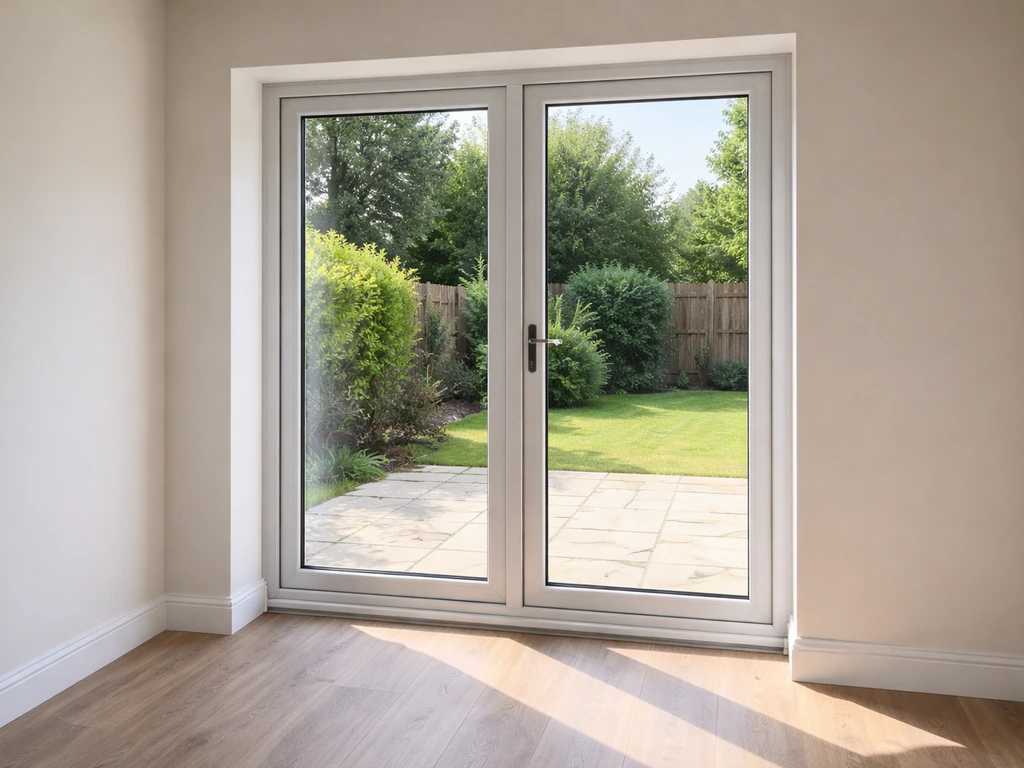
Typical installed cost ranges by door type
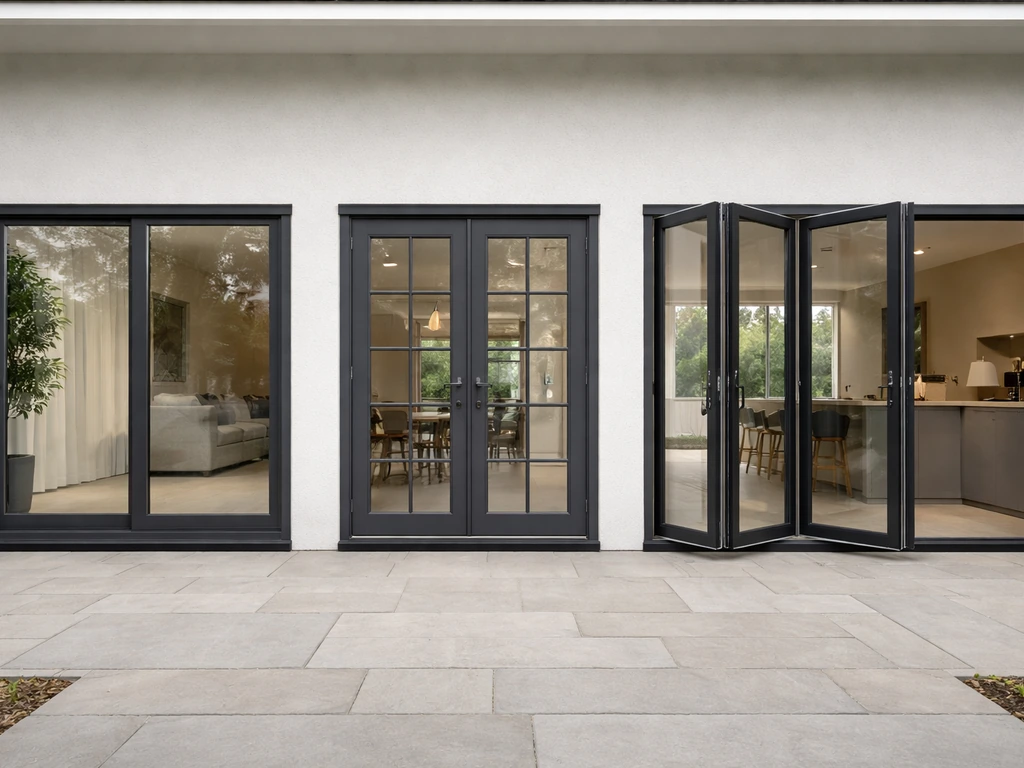
The single biggest variable is the door style you choose. A sliding patio door, a set of French doors, and a bifold system are priced in completely different brackets, even at the same opening width. Here's how they stack up across styles and materials, based on current UK supply-and-fit pricing.
| Door Style | Supply + Fit Range (UK 2026) | Typical Material |
|---|---|---|
| French doors | £500 – £1,950 | uPVC or timber |
| Sliding patio doors | £900 – £4,375 | uPVC or aluminium |
| Bifold doors (3–4 panels) | £1,800 – £6,000 | Aluminium or uPVC |
| Bifold doors (larger/complex) | £6,000 – £9,000+ | Aluminium + structural work |
These are installed prices, meaning door unit plus fitting labour. If a quote is supply-only, add roughly £300 to £600 for a straightforward replacement installation, or £500 to £1,050 in labour if the job is more involved (think: adjusting a structural opening, replacing a decayed subframe, or tricky access). Aluminium doors almost always cost more than uPVC equivalents at the same size, and timber sits somewhere in between depending on the species and finish. A standard uPVC sliding pair supply-and-fit lands around £1,500 at the midpoint, which aligns well with real tender pricing seen on the market. For example, an 08 August 2025 tender attachment lists uPVC sliding patio doors plus the frame (pair) at £1,499.05 in an indicative rate schedule.
What actually drives the price up or down
Once you understand what moves the needle, estimating your own job becomes a lot easier. If you're trying to estimate your own budget for patio door installation, the door style and the fitting complexity described here usually do most of the work. There are five main levers: door style, frame material, door size, glazing spec, and the condition of the existing opening.
Door style and number of panels
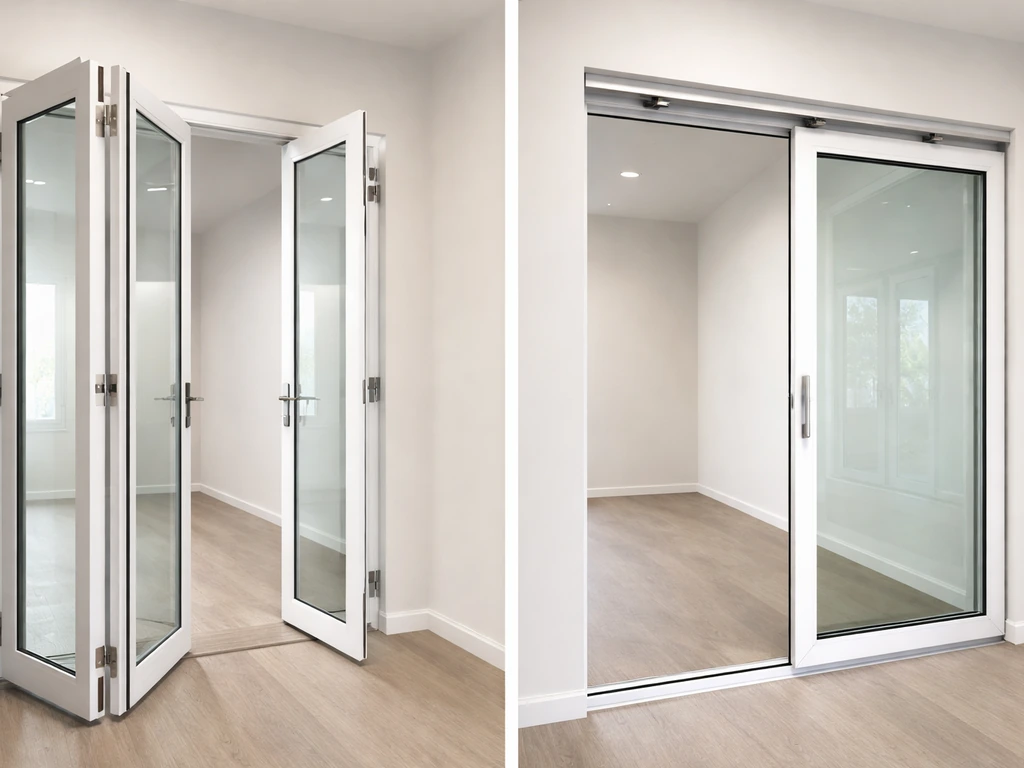
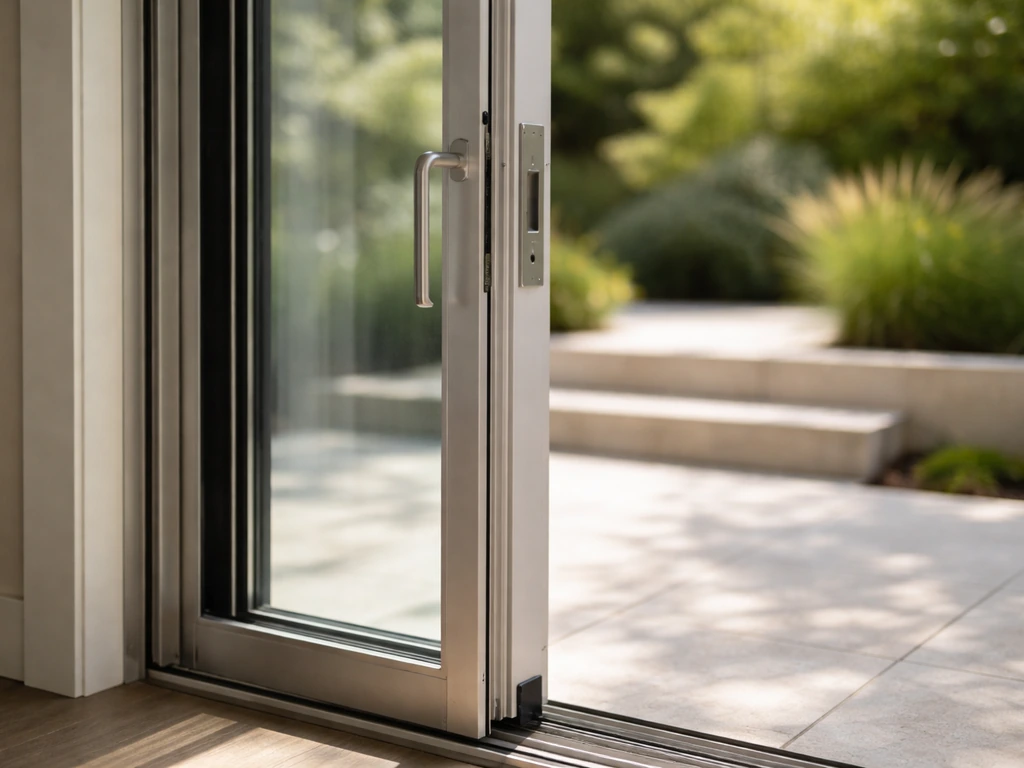
French doors are the most straightforward to fit because they open on hinges into a standard two-leaf frame. Sliding doors need a precision-levelled track and are heavier to handle but still a one-day job for an experienced fitter. Bifold doors are the most complex: multiple panels, a top track, a bottom threshold that has to be perfectly level, and often a structural beam above to carry the load of the wider opening. Every extra panel adds cost, both in the door itself and in fitting time.
Frame material
uPVC is the most affordable and low-maintenance option, and it dominates the mid-market. Aluminium costs more upfront but gives you slimmer sightlines and longer service life, which is why it's the go-to for bifolds and contemporary designs. Timber is the premium choice for period properties or when matching existing joinery, but it carries higher supply costs and needs ongoing maintenance. The material also affects fitting time: aluminium bifolds are heavier and more fiddly to align than a uPVC French door set.
Door size
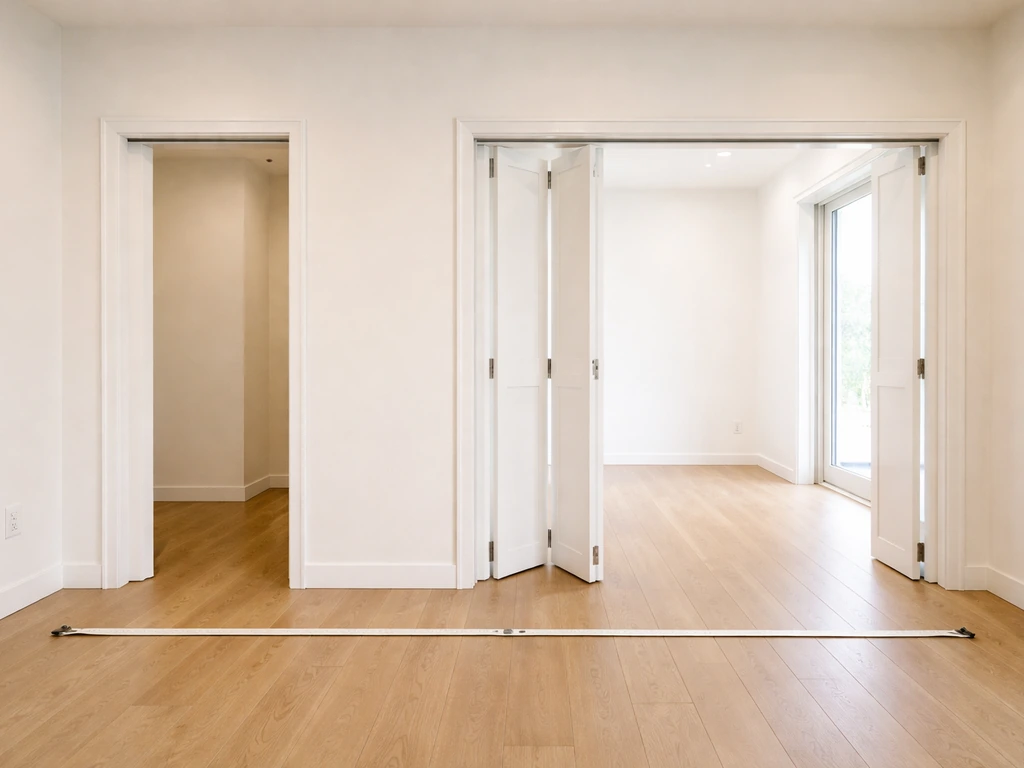
Wider openings cost more, full stop. A standard 1.8m sliding door is far cheaper than a 3.6m bifold system even before you factor in any structural changes. If you're widening an existing opening to fit a larger door, you'll likely need a new structural lintel, which alone can add several hundred pounds to the total bill.
Glazing specification
Double glazing is standard. Triple glazing adds thermal performance but also cost, typically adding 15 to 25 percent to the glass unit price. Low-E coatings, argon fill, and acoustic glazing all push costs up further. If your property is in a conservation area or is listed, you may need specific glass types, so check before specifying.
Condition of the existing opening
This is the one that surprises people most. If you're replacing a same-size door in a clean, square opening with a sound subframe, it's a relatively quick job. A like-for-like replacement can still vary in total price depending on whether you need labour for the frame and any adjustments to the opening. If the frame is rotten, the brickwork has moved, or the opening needs widening, the price climbs fast. An installer who quotes without looking at the opening is guessing, and that guess usually goes against you.
Breaking down the installation cost
When a fitter gives you a supply-and-fit price, several cost components are bundled together. Understanding them helps you interrogate a quote and spot what might be missing.
- Labour: UK installers typically charge £500 to £1,050 for the fitting work itself. A simple sliding door replacement might be done in half a day; a bifold installation with making-good can run two full days or more.
- Fitting hardware and consumables: fixings, expanding foam, silicone, packers, and any door-specific hardware (multi-point locks, hinges, handles) are usually included in a supply-and-fit quote but worth confirming.
- Threshold and flashing: a proper weatherproof threshold is critical, especially for sliding and bifold doors. Budget separately if it's not itemised, as a low-profile aluminium threshold with drainage can add £100 to £250.
- Sealing and finishing: internal and external mastic/silicone around the frame, any required trim, and caulking should all be part of the quoted work. If they're not listed, ask.
- Structural support: if a wider opening needs a new steel or timber lintel, expect £300 to £800+ depending on span and access.
In the US, labour rates for patio door installation run around $65 to $85 per hour, with a standard sliding door installation taking roughly seven hours. US all-in replacement costs (door, labour, materials, and disposal) typically land between $700 and $6,500, which maps reasonably well to the UK range when you adjust for exchange rates and market differences. If you want a figure for how much does a standard patio door cost, compare quotes that include the door unit, fitting labour, and disposal installed price.
Hidden and extra costs you need to budget for
This is where a lot of homeowners get caught out. The door price and the basic fitting quote are just the starting point. If you want a ballpark before you request quotes, see our guide on how much for new patio doors tends to cost in the UK. Here are the add-ons that show up regularly on real jobs.
- Removing and disposing of the old door: UK quotes often include this, but not always. In the US, removal and disposal typically costs $100 to $150. In the UK, ask whether skip hire or disposal is included or whether you'll be charged separately.
- Repairing the subframe or lining: if the existing timber subframe is rotten or damaged, it needs replacing before the new door goes in. Budget £100 to £300 depending on extent.
- Brickwork and plaster making good: widening an opening or repairing disturbed brickwork around the frame can add £200 to £500 or more for a tradesperson's time and materials.
- Flooring and internal trim: the new door threshold may not align perfectly with existing flooring. Tile cuts, trim adjustment, or a transition strip can add £50 to £200.
- Glazing upgrades: moving from standard double glazing to triple glazing or specialist acoustic/fire-rated glass adds cost to the door unit itself. Get this specified in writing before ordering.
- Drainage and waterproofing at the threshold: bifold and sliding doors need a threshold system that manages rainwater. A proper drainage threshold is essential and not always included in the base price.
- Structural engineer or building control: if you're creating or widening an opening in a load-bearing wall, you may need a structural engineer's sign-off (typically £300 to £600 for a report) and building regulations approval. This is non-negotiable on structural work.
- Planning permission or conservation area consent: most like-for-like patio door replacements fall under permitted development, but if your property is listed, in a conservation area, or you're changing the opening significantly, check with your local authority first.
How to get accurate quotes and actually compare them
Getting three quotes is standard advice, but getting three comparable quotes takes a bit of preparation. If you let each installer specify their own door and scope, you'll end up comparing very different things and won't know which is genuinely cheaper.
What to prepare before calling anyone
- Measure the existing opening: width and height of the clear aperture (brickwork to brickwork), plus the depth of the reveal. Note whether the opening is in an internal or external wall.
- Take photos of the current door from inside and outside, close-ups of the frame condition, the threshold detail, and the surrounding brickwork or render.
- Decide on your door style before getting quotes: sliding, French, or bifold. If you're unsure, get one specialist to advise, then use that spec for all subsequent quotes.
- Write down what you want included: supply, fit, removal and disposal of old door, making good, threshold, and any glazing upgrades. Hand this list to every installer.
What to ask each installer to itemise
- Door unit cost (brand, model, material, glazing spec)
- Labour cost separately from supply cost
- Whether removal and disposal of the old door is included
- Whether making good (internal plaster, external pointing) is included or charged extra
- Threshold type and whether drainage/waterproofing is included
- Any structural work or lintel replacement if needed
- Guarantee on the installation workmanship (separate from the product warranty)
When comparing quotes, line up each itemised element side by side rather than looking at the bottom-line total first. A quote that looks £400 cheaper might be excluding disposal, making good, and a proper threshold. Once you add those in, it may be the most expensive option. Reputable installers won't mind you asking for a breakdown; the ones who resist that question are a red flag.
DIY fitting: honest take on when it works and when it doesn't
Fitting a patio door yourself is technically possible for a competent DIYer with the right tools, but the risk level depends heavily on what you're doing. A like-for-like replacement of a French door into an existing, undamaged timber subframe is the best-case scenario for DIY. For a clearer idea of what patio screen doors cost installed, check the price by door type, frame material, and any additional glazing or security hardware how much are patio screen doors. You're essentially swapping one door for another in a ready-made opening, and with care and a helper (these things are heavy), it's a manageable weekend job.
Sliding and bifold doors raise the difficulty considerably. The track has to be perfectly level or the panels won't glide properly and the seals will fail. An error of a few millimetres across a 3-metre span is enough to cause persistent draughts and water ingress. Getting that wrong means removing and refitting the whole system, which costs more in time and frustration than hiring it out in the first place.
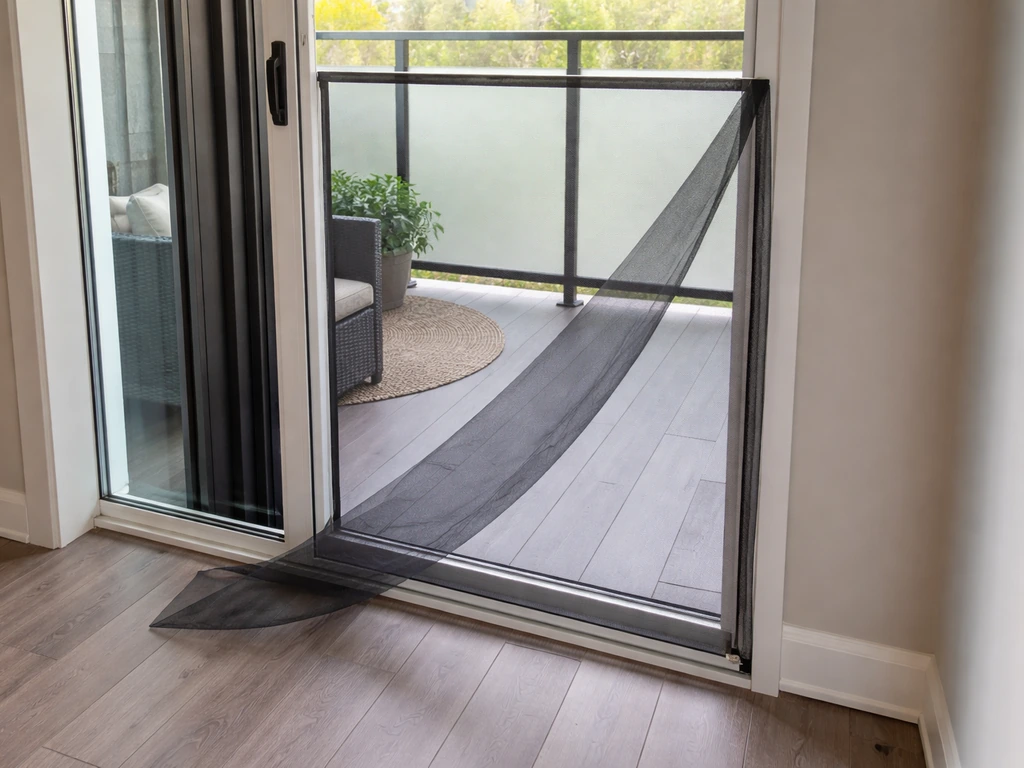
Any job that involves structural work, a load-bearing wall, or building regulations compliance should be handled by a qualified contractor. If you are only rescreening or replacing the mesh in a patio door, the cost is usually much lower than a full door replacement, but it depends on the frame condition and the type of screen structural work. This isn't just about safety during the job: if you sell the house and there's no sign-off on structural alterations, it creates problems during the conveyancing process. The saving of a few hundred pounds is not worth that headache.
| Scenario | DIY Realistic? | Why |
|---|---|---|
| Like-for-like French door replacement, sound subframe | Yes, with care | Standard hinged door, manageable weight, no track alignment needed |
| Like-for-like sliding door replacement, level existing opening | Possible but tricky | Track levelling critical; sealing and weatherproofing require precision |
| Bifold door installation | Not recommended | Multi-panel alignment, drainage threshold, and structural considerations |
| Widening an opening in a load-bearing wall | No | Requires structural sign-off and building regulations compliance |
| Replacing rotten subframe before fitting | Borderline | Carpentry skill required; mistakes affect weatherproofing and security |
Ways to spend less without compromising quality or security
There are legitimate ways to bring the total cost down without cutting corners on the things that matter, which are weatherproofing, security, and workmanship. Here's where the real savings are.
- Choose uPVC over aluminium where aesthetics aren't critical: a uPVC sliding door delivers comparable thermal performance and security to aluminium at a significantly lower price point. The difference in a standard 1.8m door can be £500 to £1,500.
- Stick to a standard size: non-standard or bespoke sizes cost more to manufacture and sometimes more to fit. Where possible, design around standard door widths rather than requiring a custom order.
- Replace like-for-like where you can: keeping the same opening size avoids structural work, lintel replacement, and brickwork repairs, all of which add up fast.
- Get quotes in January or February: the building trade is typically quieter after Christmas, and some installers will offer more competitive pricing to keep their teams busy.
- Supply the door yourself and hire labour separately: this can save money if you've found a good deal on the door unit, but confirm the installer is comfortable fitting a customer-supplied product and that the warranty isn't voided. Not all are.
- Ask what's included in the quote before negotiating on price: sometimes what looks like a higher quote already includes threshold work and disposal that a lower-seeming quote doesn't. The gap may be smaller or non-existent.
- Avoid unnecessary glazing upgrades: triple glazing adds cost and for most UK climates the payback period is long. Double glazing with a good low-E coating is the practical sweet spot for most homes.
One thing I'd caution against: choosing the cheapest multi-point lock or handle set to save £30 to £50. Hardware is where patio door security lives, and a flimsy lock on a door that opens directly onto a garden is a risk not worth taking. Spend on the lock and save elsewhere.
Your next steps
If you're ready to move forward, here's the practical sequence. Measure your opening today: width, height, and reveal depth, and take photos while you're there. Decide on your door style based on budget and opening size. Then get three written quotes using the same itemised spec sheet so you're comparing the same job. If your job involves structural work or a load-bearing wall, factor in a structural engineer's assessment before any quotes. Check whether you need building regulations approval or any conservation area consent early in the process, not after you've ordered the door. And if the quotes are coming in higher than expected, revisit whether uPVC or a standard size could bring things back in line without sacrificing what matters. The door you fit today should last 20 to 30 years, so it's worth spending a week getting the decision right. If you’re planning a renewal or replacement sooner, getting a fresh Andersen patio door cost estimate can help you budget accurately for the new door and installation last 20 to 30 years.
FAQ
How much to fit a patio door if I only need a like-for-like replacement, no widening or structural work?
For a same-size swap in a clean, square opening with a sound subframe, budgeting toward the lower end of the installed range is realistic. The fastest parts are usually the frame swap and weatherproofing, while the cost swing comes from whether the old frame is rotten or needs trimming to sit level and plumb.
Do I need to pay extra for removing and disposing of the old patio door?
Often yes. Some “installed” quotes include disposal, others only include fit. When comparing quotes, insist on a line item for disposal and any waste removal, because leaving it out can make a cheaper quote look attractive until you add it back.
Why do sliding and bifold doors cost more to fit than French doors?
It’s mainly alignment and thresholds. Sliding tracks must be perfectly level and set, and bifolds add a top track plus a carefully prepared bottom threshold that often needs to sit dead flat over the full run, which typically increases labour time and the likelihood of corrective work.
What’s the most common hidden cost that pushes the price up after the installer sees the opening?
Subframe condition and opening geometry. If the brickwork has moved, the subframe is decayed, or the opening is out of square, you may need make-good, additional packing, or sometimes extra structural support before the door can be fitted correctly.
Can I save money by buying the patio door myself and paying for labour only?
You can, but expect variable labour pricing because the fitter still has to handle measurement confirmation, fitment risk, and sometimes disposal. In practice, get the installer to confirm the door spec and dimensions in writing before ordering, otherwise the labour cost can jump if the unit arrives slightly off-spec.
How do I make sure I’m comparing quotes fairly when the door sizes are similar but not identical?
Use a comparison checklist: exact overall width and height, required frame type, glazing specification (including acoustic or Low-E), threshold type, and locking hardware. Even a small difference in opening or panel layout can change the door unit price and the fitting time.
Are building regulations or approvals usually required for replacing a patio door?
Often they’re not required for a straightforward like-for-like replacement, but approvals become more likely when you widen the opening, alter a load-bearing wall, or add structural members like a lintel. If you’re changing the opening size or structure, plan for assessment before you order the door.
What’s the typical cost impact of triple glazing compared with double glazing?
Triple glazing usually adds about 15 to 25 percent to the glass unit component, and that difference can propagate into the overall installed cost because the door weight and unit spec may affect installation details. If you’re budget constrained, prioritise the frame and weatherproofing first, then upgrade glazing.
Does the door material change the fitting difficulty even if the size is the same?
Yes. Aluminium frames and bifolds are often heavier and more fiddly to align, which can increase labour time. uPVC is usually more straightforward for many installers, while timber can require extra attention to sealing and finishing to match the existing joinery and maintain weather resistance.
Is DIY ever a good idea for fitting a patio door?
DIY is most reasonable for a like-for-like French door into an existing, undamaged subframe where only hinge alignment and weatherproofing are involved. For sliding and bifold systems, the millimetre-level track and threshold accuracy matters, and incorrect alignment can lead to persistent draughts and water ingress, so the rework can outweigh the savings.
How can I tell if a quote is missing something important without technical knowledge?
Ask for a breakdown that covers disposal, make-good, threshold and weatherproofing, any structural assessment, and the exact door spec (frame material, glazing, and locking set). If the installer refuses a breakdown or won’t confirm these details, treat the bottom-line price as less reliable.
What should I measure to avoid ordering the wrong door size?
Measure the opening width and height, and also the reveal depth (the thickness of the wall opening). Take photos of the existing frame and threshold, and confirm whether the measurement is “between brickwork,” “between frame faces,” or “to the outside of the subframe,” because mixing these up is a common cause of costly reorders.