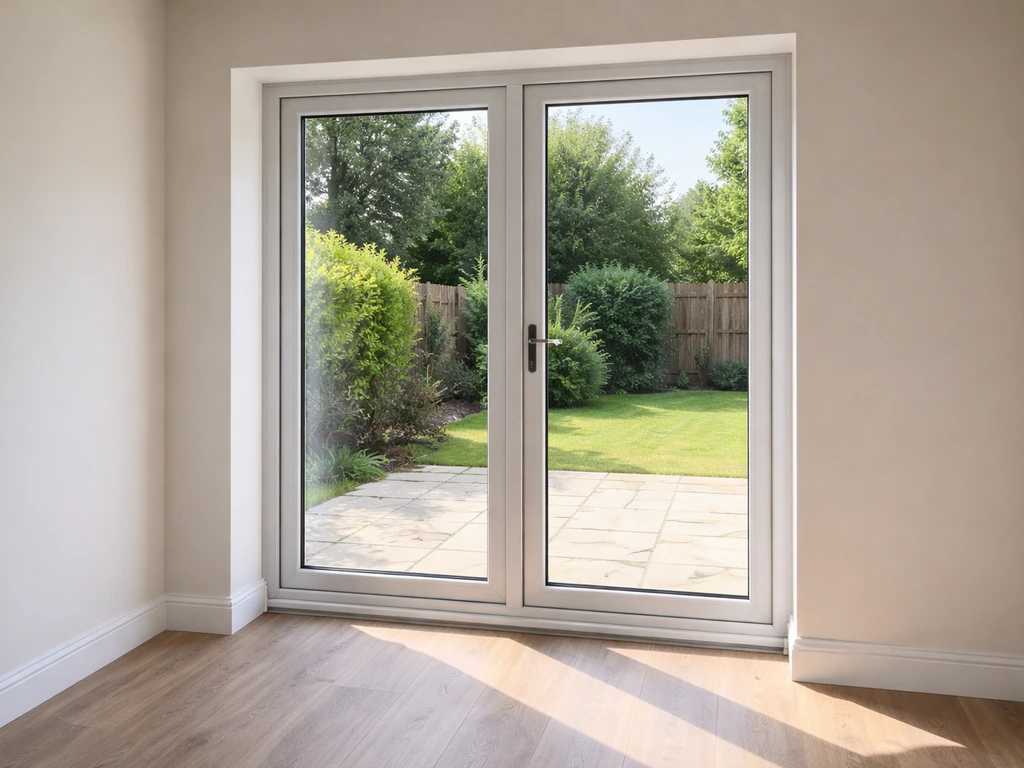
A standard patio door costs roughly $1,200 to $6,250 fully installed, with the national average project landing around $2,500. That range covers a basic vinyl sliding door on the low end and a mid-size French or fiberglass unit with upgraded glass on the high end. The door itself (material only) might run $300 to $2,000 before a contractor ever shows up, and labor typically adds another $300 to $1,400 depending on how complicated the install is. If you're budgeting for a bifold or multi-panel system, expect to start around $3,000 and climb toward $20,000 or more for large openings.
How Much Does a Standard Patio Door Cost: Prices & Guide
Owen Delaney
22 Jul 2026
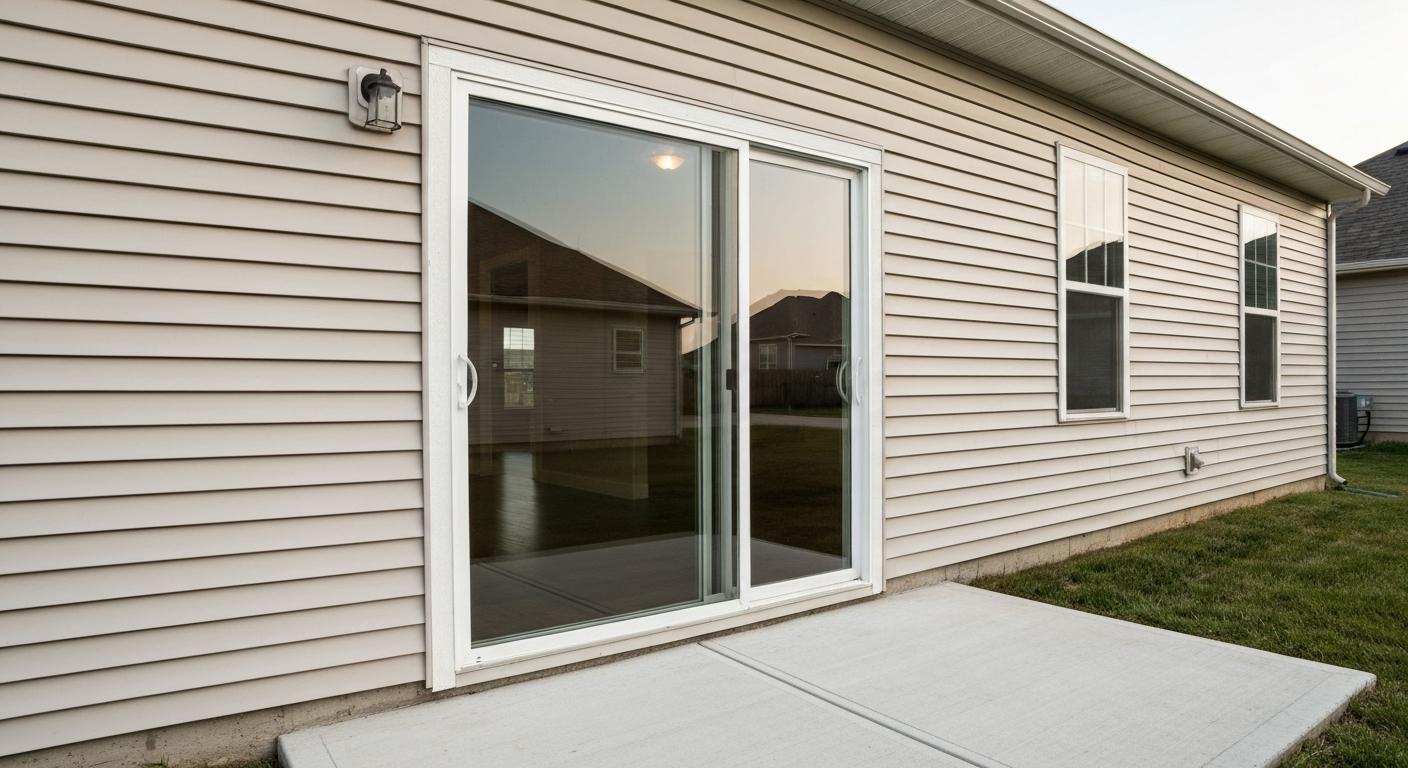
What actually drives the price of a patio door
When I help homeowners think through patio door budgets, the confusion almost always comes from the same place: they see a $400 door at a big-box store and assume that's the number. It isn't. The final installed cost is the product of six overlapping variables, and each one can quietly add hundreds to your total.
- Door type: Sliding panels cost less than French doors; bifold and multi-panel systems cost the most by a wide margin.
- Frame material: Vinyl is the least expensive, then aluminum, then wood-clad and fiberglass at the top.
- Size: Standard widths run 60 inches, 72 inches, 96 inches, and 120 inches. Every inch wider adds glass area and frame material cost.
- Brand tier: A budget vinyl unit from a big-box brand and a Renewal by Andersen fiberglass system can differ by $5,000 or more on the same opening.
- Glass package: Double-pane insulated glass is now standard. Triple-pane, low-E coatings, impact/hurricane glazing, and between-glass blinds each add cost.
- Labor and site conditions: A same-size insert swap (no framing work) takes a few hours. A full-frame replacement with rotted sill, structural header changes, or non-standard rough-opening dimensions can stretch to two days or more and raise labor costs accordingly.
Permits are another line item most homeowners miss. Some jurisdictions require a permit for door replacement, especially if the opening is being resized or if you're in a hurricane or flood zone with code-specific glass requirements. Budget $50 to $300 for permits if your area requires them, and factor in $50 to $150 for haul-away and disposal of the old door unit.
Price breakdown by door type
Sliding patio doors
Sliding glass doors are the most common and the most affordable option. On a material-only basis, a standard 6-foot (72x80 inch) sliding door runs roughly $300 to $800 for a basic vinyl unit, $800 to $2,000 for mid-range, and $2,000 to $5,000 for premium fiberglass or wood-clad models. Once you add installation, the fully installed national average for a sliding door falls in the $1,500 to $5,000 range, with the overall project average sitting around $2,500. The mechanical simplicity of a sliding panel (it rides on a track rather than swinging on hinges) keeps both the door cost and the installation labor on the lower end compared to other types.
French patio doors
French doors (two hinged panels that swing open from the center) typically cost more than a comparably sized sliding unit. Published installed ranges for mid-market French patio doors run roughly $1,600 to $5,000, and luxury or custom configurations can reach $5,000 to $15,000 or higher. The added cost comes from the hardware (hinges, multi-point locking systems, astragal bar), the frame complexity, and the fact that the swinging panels require clear floor space inside and outside the door. If you're comparing a French door to a sliding door for the same opening, plan to spend at least $500 to $1,500 more on the French configuration.
Bifold and multi-panel doors
Bifold, folding-glass-wall, and pocket-sliding systems are in a different cost category entirely. These systems use three or more panels that stack or fold to open a large wall section. Installed costs commonly run $3,000 to $20,000 and go higher for large, custom aluminum or wood-clad configurations. The price premium is driven by panel count, track complexity, custom sizing (these are rarely stock items), and the structural work often needed to support a wide opening. If your project involves a bifold or multi-panel system, get at least three quotes from contractors who specialize in this type of installation.
How frame material changes your budget
Material choice is one of the biggest levers you have on cost, and it also affects long-term maintenance, energy performance, and how the door looks next to your home's exterior. Here's how the four main materials stack up.
| Material | Relative Cost | Maintenance | Best For |
|---|---|---|---|
| Vinyl | Lowest ($300–$1,500 door only) | Very low — no painting or staining | Budget-conscious buyers, humid climates, rental properties |
| Aluminum | Low-mid ($500–$2,500 door only) | Low — resists corrosion, may need repainting over time | Modern/contemporary aesthetics, mild climates |
| Wood / Wood-clad | High ($1,500–$5,000+ door only) | High — requires periodic staining or painting | Traditional or craftsman homes, premium aesthetics |
| Fiberglass | High ($1,200–$4,500+ door only) | Low — durable, stable, paintable | All climates, homeowners wanting wood look without wood maintenance |
Vinyl is the dominant choice for budget and mid-range projects because it's inexpensive, resists moisture, and never needs painting. Fiberglass costs more upfront but is dimensionally stable (it won't warp or swell in humid or cold climates the way wood can), which makes it a smart long-term investment in regions with extreme temperature swings. Aluminum is popular for modern homes and performs well in coastal climates if it's thermally broken (meaning there's an insulating barrier in the frame that prevents cold transfer). Solid wood looks beautiful but requires ongoing maintenance and is sensitive to moisture; most premium wood doors today are sold as wood-clad, with aluminum or fiberglass on the exterior and wood on the interior.
Sample cost tables by size and configuration
The tables below show published material-only price samples for common standard sizes, followed by typical installed project ranges. Use these as planning benchmarks, not quotes. Your actual number will shift based on material choice, glass package, brand, and local labor rates.
Sliding patio doors: material-only price samples by width
| Door Width | Rough Opening | Material-Only Range | Estimated Installed Range |
|---|---|---|---|
| 5 ft (60") | 60" x 80" | $300–$700 | $900–$2,500 |
| 6 ft (72") | 72" x 80" | $600–$900 | $1,200–$3,200 |
| 8 ft (96") | 96" x 80" | $700–$1,000 | $1,400–$3,800 |
| 10 ft (120") | 120" x 80" | $950–$1,200 | $1,800–$4,500 |
French patio doors: estimated installed ranges
| Configuration | Typical Width | Installed Range |
|---|---|---|
| Standard double (budget vinyl) | 60"–72" | $1,600–$2,800 |
| Standard double (mid-range fiberglass/aluminum-clad) | 60"–72" | $2,800–$5,000 |
| Wide double or triple (premium wood/fiberglass) | 72"–96" | $5,000–$10,000+ |
| Custom French with sidelights | 96"–120" | $6,000–$15,000+ |
Bifold and multi-panel doors: installed ranges
| System Type | Panel Count | Typical Width | Installed Range |
|---|---|---|---|
| Bifold (aluminum) | 3–4 panels | 96"–144" | $3,000–$8,000 |
| Folding glass wall (aluminum) | 4–6 panels | 120"–180" | $6,000–$15,000 |
| Pocket / disappearing slider | 2–4 panels | 96"–160" | $4,000–$12,000 |
| Premium wood-clad multi-panel | 4–6+ panels | 144"–240" | $10,000–$20,000+ |
What to expect from major brands
Neither Renewal by Andersen nor Pella posts a simple price list online, and that's intentional. Both brands sell through in-home consultations where pricing is customized to your opening size, material choice, glass package, and regional labor rates. That said, published cost guides and homeowner-reported data give us useful ballparks.
Renewal by Andersen
Renewal by Andersen is a full-service replacement program (they supply and install). Independent cost-guide aggregators and homeowner reports place Renewal patio door projects commonly in the $2,000 to $12,000 range depending on size, material (their proprietary Fibrex composite), glass package, and region. Many homeowners report sticker shock at the first quote because the price includes the full white-glove service, warranty, and custom manufacturing. If you want the Andersen name and the convenience of a single company handling everything, build in a budget of at least $3,000 to $5,000 for a standard sliding door before you sit down for the consultation.
Pella
Pella sells through dealers and big-box stores (Home Depot and Lowe's carry some Pella lines) and also through in-home consultations for full replacement projects. Published Pella guidance emphasizes that final pricing depends on material choice, glass package, and whether you're doing a pocket insert replacement or a full-frame removal. Expect mid-tier Pella sliding or French door projects to fall in roughly the $1,500 to $5,000 installed range for standard sizes, with premium lines pushing higher. Pella recommends an on-site quote for accurate pricing, and that's genuinely good advice here. If you want to know how much Pella patio doors cost, check the guide on how much are Pella patio doors.
Brand tiers at a glance
| Brand Tier | Examples | Typical Door-Only Price Range | Notes |
|---|---|---|---|
| Budget / Big-box | JELD-WEN (entry), Reliabilt, store-brand vinyl | $300–$900 | Good for straightforward replacements; limited glass and finish options |
| Mid-tier | Pella (entry/mid lines), Milgard, Andersen 100/200 Series | $800–$3,500 | Better glass packages, wider material choices, stronger warranties |
| Premium / Full-service | Renewal by Andersen, Pella Architect Series, Marvin | $2,000–$10,000+ | Custom sizing, top-tier glass, full install service; highest cost and longest warranties |
| Luxury / Custom | Marvin Ultimate, Loewen, NanaWall | $5,000–$20,000+ | Architect-grade, made-to-order; typically for high-end renovations |
New installation vs. full replacement vs. retrofit: what's the cost difference
How you're installing the door matters almost as much as which door you're buying. There are three common scenarios, and the cost difference between them can be substantial.
New installation (brand-new opening)
Cutting a new opening in an existing wall is the most expensive scenario. The work involves framing a new rough opening, installing a structural header (often a load-bearing beam), patching interior and exterior finishes, and potentially rerouting any electrical or plumbing that's in the wall. Labor for a new opening can easily run $1,500 to $3,000 on top of the door cost, and the total project can climb to $5,000 to $15,000 or more depending on wall construction and finish work.
Full-frame replacement
A full-frame replacement removes the old door down to the rough opening, allows for inspection and repair of the frame, sill, and surrounding structure, and then installs a new door in the full opening. This is the right approach when there's rot, water damage, or when you're changing the door size. Expect $300 to $800 in additional labor over a pocket insert swap, plus potential costs for rot repair ($200 to $600 is common for localized sill rot) and exterior trim finishing. Full-frame replacements typically take one to two days.
Retrofit or pocket insert replacement
A retrofit or insert replacement drops a new door unit into the existing frame without disturbing the surrounding structure. This is the fastest and least expensive installation method, often completed in a few hours. It's the right choice when the existing frame is square, plumb, and in good condition, and when you're keeping the same rough-opening size. Labor for a straightforward insert swap typically runs $300 to $600. The trade-off: insert replacement slightly reduces the glass area because the new frame sits inside the old frame, and it doesn't address any hidden rot or damage in the existing frame.
DIY vs. hiring a pro: honest cost comparison
I've done both, and I'll be straight with you: a patio door replacement is one of those jobs where the line between 'manageable DIY' and 'call a contractor' depends heavily on your specific situation. Here's how to think about it.
What you save (and spend) with DIY
Skipping professional installation saves the labor line item, which typically runs $300 to $1,400. BLS Occupational Employment and Wages (May 2025) reports mean hourly wages for glaziers and related construction trades, which can be used to estimate typical installer labor costs Occupational Employment and Wages News Release - 2025 | BLS. On a $1,500 door, that's a real saving. But you'll need to rent or own a few tools (a level, pry bar, caulk gun, possibly a circular saw and drill), and you'll be responsible for getting the door perfectly plumb, level, and square. An out-of-square install on a sliding door shows up immediately as a panel that won't glide smoothly or seal properly. On a French door, a misaligned install means panels that won't latch. A botched install can also void the manufacturer warranty, which is a significant risk on a $2,000 to $5,000 door.
When DIY makes sense
- You're doing a same-size insert/pocket replacement on an undamaged, square frame.
- You've done rough carpentry work before and are comfortable with shimming, flashing, and caulking.
- The door manufacturer provides detailed installation instructions and you're following them precisely.
- The door cost is low enough that the warranty risk is acceptable (a $500 big-box vinyl slider, for example).
- You have a helper — patio doors are heavy (often 80 to 150+ lbs) and awkward to maneuver alone.
When to hire a pro
- You're doing a full-frame replacement or creating a new opening — structural work is involved.
- You suspect rot, water damage, or a non-square existing frame.
- You're installing a French door or bifold system where alignment is critical and more complex.
- The door cost is high enough that preserving the warranty matters (most full-service brands like Renewal by Andersen require their own installers).
- You're in a hurricane zone with code-specific requirements for impact glass and installation methods.
- You simply don't have the time, tools, or confidence — a bad patio door install is a water infiltration risk that can cost far more to fix than the labor you saved.
DIY vs. pro cost summary
| Scenario | DIY Total Cost | Pro-Installed Total Cost | Key Trade-off |
|---|---|---|---|
| Budget vinyl sliding door (6 ft, insert swap) | $600–$1,000 | $1,200–$2,000 | DIY saves $400–$800; warranty and quality risk if not square |
| Mid-range fiberglass sliding door (6 ft, full-frame) | $1,200–$2,500 | $2,500–$4,500 | DIY saves $800–$1,500; structural inspection risk |
| French door (mid-range, full-frame) | $1,500–$3,500 | $3,000–$6,000 | DIY saves $1,000–$2,000; alignment complexity is high |
| Premium brand (Renewal by Andersen or Pella full service) | N/A — not DIY-eligible | $3,000–$12,000+ | Full-service brands install their own product |
Glass upgrades, screens, and accessories: extra costs to plan for
The door unit price usually assumes standard double-pane insulated glass. Upgrades add real money. Triple-pane sliding doors commonly range from $2,000 to $6,000 on a per-unit basis (material cost), compared to $450 to $2,100 for double-pane insulated units. Low-E coatings, argon gas fill, and between-glass blinds each add incrementally. Impact or hurricane-rated laminated glass is the biggest single upgrade, pushing installed sliding door costs into the $1,000 to $7,000 range depending on panel area and impact rating, essential if you're in a coastal or hurricane-prone area and your local code requires it.
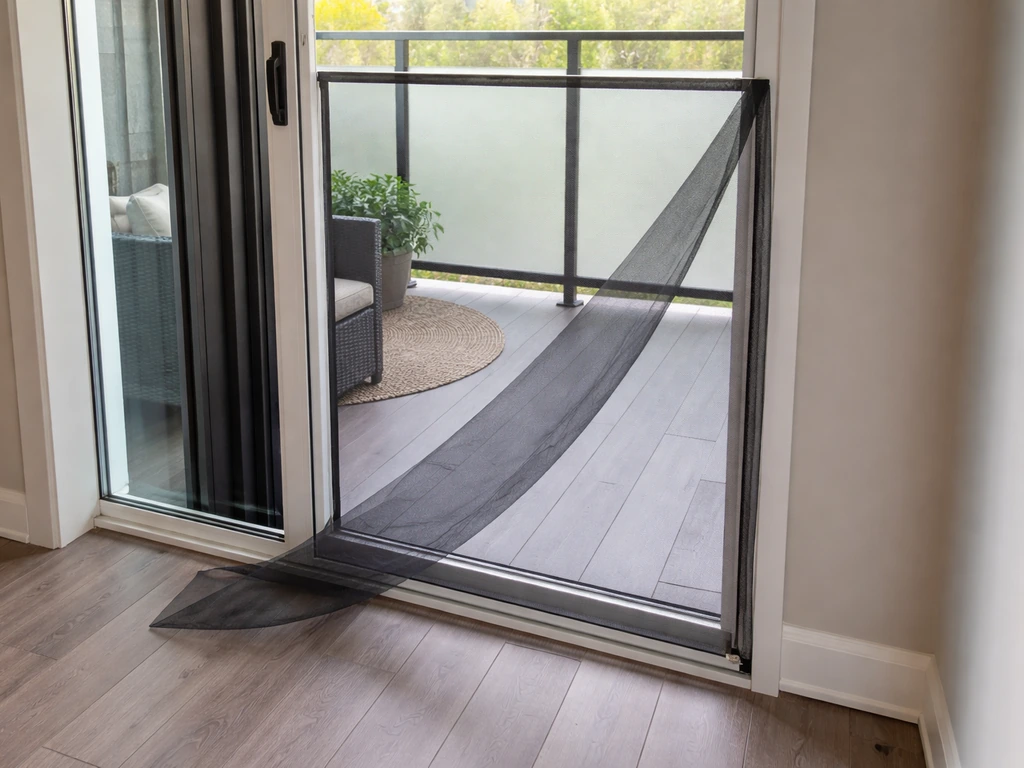
Screen doors are often sold separately or as an add-on. For detailed pricing on screens specifically, see our guide on how much are patio screen doors for typical material and installed costs. A basic rolling screen panel included with a sliding door is usually a minor add-on cost ($50 to $150). A retractable screen system or a full screen door for a French door opening typically runs $300 to $900 installed. If you already have a screen that needs re-meshing, simple rescreening (replacing just the mesh) costs roughly $7 to $150 for a single door depending on whether you do it yourself or hire out. For a focused estimate on that exact job, see our guide on how much it costs to rescreen a patio door. Hardware upgrades (multi-point locks, decorative handles, security bars) typically add $50 to $300 per door.
Tips to save money without cutting corners
- Get at least three quotes from local installers. Labor rates vary significantly by region, and a competing quote is the single most effective cost-reduction tool you have.
- Stick to a standard size. Custom or non-standard rough openings add cost at every step — door manufacturing, framing, and finishing. The most common standard widths (60", 72", 96") have the best material availability and competitive pricing.
- Choose a pocket insert replacement if your existing frame is sound. It's faster, cheaper, and less disruptive than a full-frame job.
- Buy the door yourself and hire labor separately. This doesn't always save money (contractors often mark up supplied materials), but comparing the contractor-supplied price to buying the door yourself and paying labor-only is worth doing on mid-range and premium purchases.
- Time your purchase. Patio doors bought in late fall or winter (off-peak season for remodeling) sometimes come with promotional pricing or faster contractor availability.
- Skip upgrades you don't need. Triple-pane glass makes sense in very cold climates; in mild climates, the energy savings rarely justify the premium over a quality double-pane low-E unit.
- Ask about manufacturer rebates. Andersen, Pella, and other mid-tier brands periodically offer rebates or financing promotions that can meaningfully reduce the effective cost.
Getting comparable quotes: a short checklist
One of the most frustrating parts of buying a patio door is getting quotes that are impossible to compare because each contractor quoted something different. Before you call anyone, write down the following so every quote covers the same scope.
- Exact rough-opening dimensions (width x height) and current door type (sliding, French, etc.).
- Whether you want a pocket insert replacement or a full-frame replacement.
- Frame material preference (vinyl, aluminum, fiberglass, wood-clad).
- Glass package preference (double-pane standard, low-E, triple-pane, impact).
- Whether a screen is included or quoted separately.
- Whether the quote includes permit filing, old-door disposal, and interior/exterior trim finishing.
- Warranty terms: what's covered, for how long, and whether it's a manufacturer or installer warranty (or both).
- Estimated install timeline and whether they use their own crew or subcontractors.
Your next steps
Start by measuring your existing rough opening and deciding whether you're doing a retrofit or a full replacement. That single decision shapes your entire budget and contractor conversation. If you need a quick estimate for how much to fit a patio door, see our sizing and installation guide for typical costs and steps. If you're replacing like-for-like in a standard size, you can get meaningful ballpark quotes over the phone or online. If you're changing the opening size, resizing from a single door to a French door, or upgrading to a multi-panel system, plan for an in-person assessment from at least two or three contractors before committing to anything. For brand-specific pricing on Renewal by Andersen or Pella, request the in-home consultation, just go in knowing the ranges above so you can evaluate the quote you receive. If you want specific figures, see our guide on how much does a Renewal by Andersen patio door cost for typical project ranges and what influences the final quote. And if installation cost is the part you're still unsure about, the full breakdown of what drives labor pricing is worth a closer look before you sign anything. If you need a quick estimate of how much for new patio doors, see our concise cost guide for typical installed and material-only price ranges. See the guide how much does it cost to replace a patio door for a detailed breakdown of total project costs. See our guide on how much does it cost to install patio doors for a focused estimate of installation fees and cost drivers.
FAQ
How much does a standard patio door cost installed?
National averages show a typical fully installed standard patio/sliding door runs about $2,500, with common project ranges from roughly $1,200 to $6,250. Final price depends on door type, material, glass package, size and installation complexity.
What are typical price ranges by door type (sliding, French, bifold/multi‑panel)?
Sliding doors (standard 2‑panel): roughly $1,200–$5,000 installed (basic to mid/high end). French (hinged) patio doors: roughly $1,600–$5,000 installed for common sizes, with custom/luxury jobs higher. Multi‑panel, bifold, pocket or folding systems: commonly $3,000–$20,000+ installed depending on panel count and system complexity.
How does frame material affect cost?
Material order from least to most expensive: vinyl/composite (lowest), aluminum and aluminum‑clad wood (mid‑range), fiberglass and solid wood (highest). Material choice can move a door from a few hundred dollars (basic slab) to several thousand installed.
How do brand tiers change pricing (big‑box vs Pella vs Renewal by Andersen vs premium)?
Budget/retail brands (big‑box vinyl/composite): hundreds to low thousands installed. Mid‑tier brands (Pella, Andersen entry models, Milgard): roughly $800–$3,500 per door typical. Premium/custom brands (high‑end Andersen/Renewal lines, Marvin, Loewen): often $2,000–$10,000+ per door installed. Exact pricing requires on‑site quotes since manufacturers use many options.
What are typical material‑only price examples by common widths?
Material‑only (examples vary): 6 ft (72" x 80") door panels often in the $600–$900 range; 8 ft (96" x 80") $700–$1,000; 10 ft (120" x 80") $950–$1,200. Installed totals are higher once labor, flashing, trim and options are included.
How much does installation or replacement labor cost (DIY vs professional)?
Labor varies by complexity: simple insert/pocket replacements that fit existing opening can take a few hours and often have labor in the few hundred dollars range. Full‑frame replacements (remove/repair framing, reframing) commonly take one to two days and often add several hundred to over $1,000. DIY can save labor but requires skill and tools; mistakes can increase overall cost.